LBNL Masthead A-Z Index Berkeley Lab masthead U.S. Department of Energy logo Phone Book Jobs Search
Search the News Center:
Posts Tagged ‘biology’

Genome-scale Network of Rice Genes to Speed the Development of Biofuel Crops

November 2, 2011

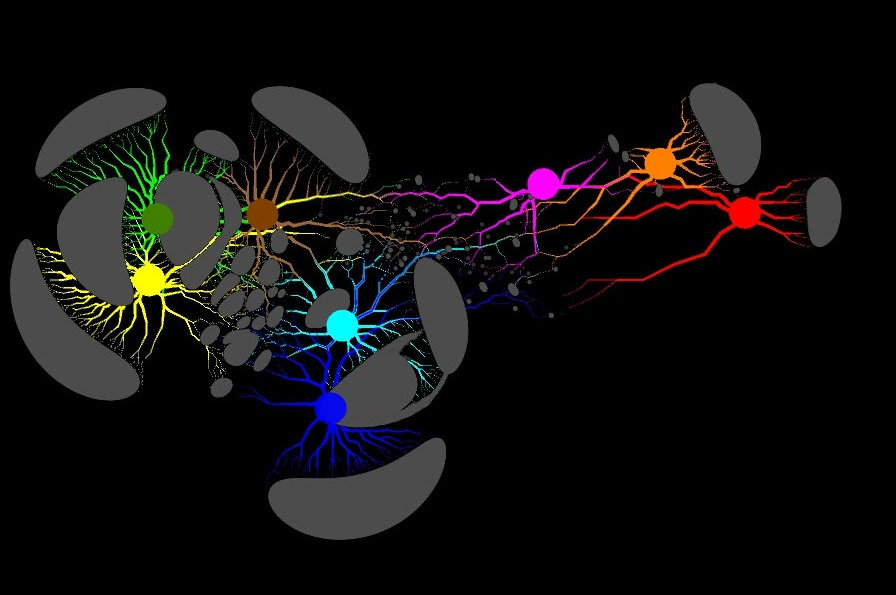
Researchers at the Joint BioEnergy Institute have developed the first genome-scale model for predicting the functions of genes and gene networks in a grass species. Called RiceNet, this systems-level model of rice gene interactions should help speed the development of new crops for the production of advanced biofuels, as well as help boost the production and improve the quality of one of the world’s most important food staples.

MORE>

Berkeley Lab Scientists Develop New Tool for the Study of Spatial Patterns in Living Cells

October 31, 2011

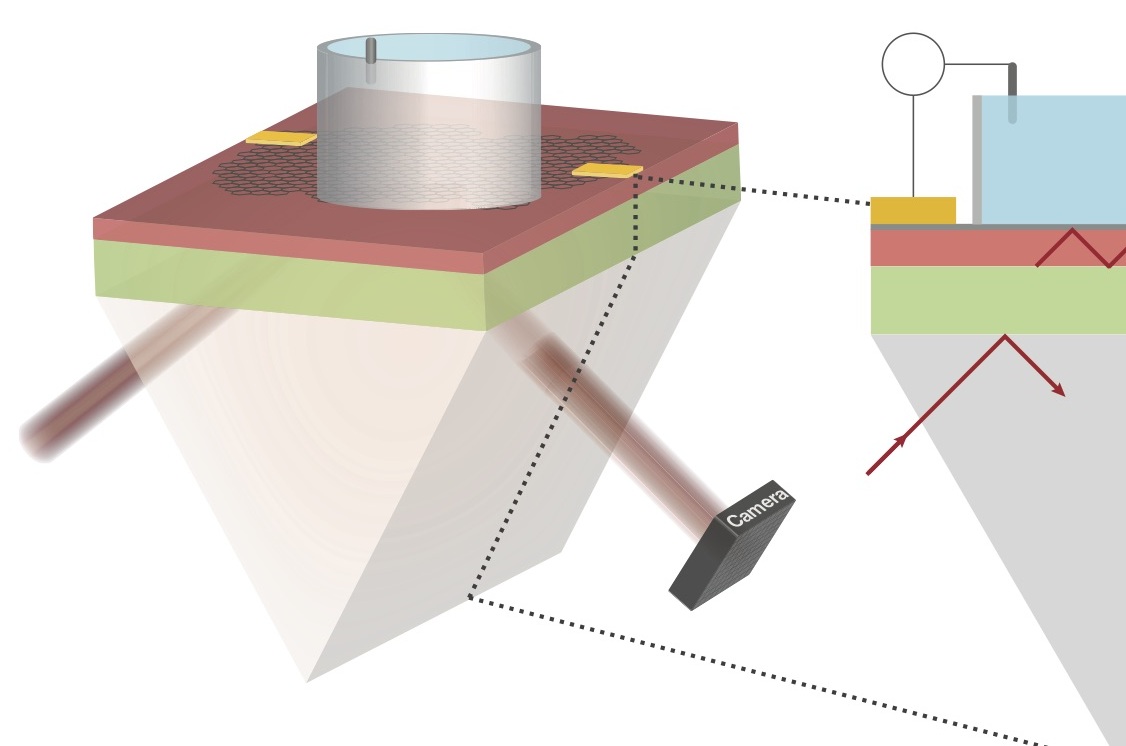
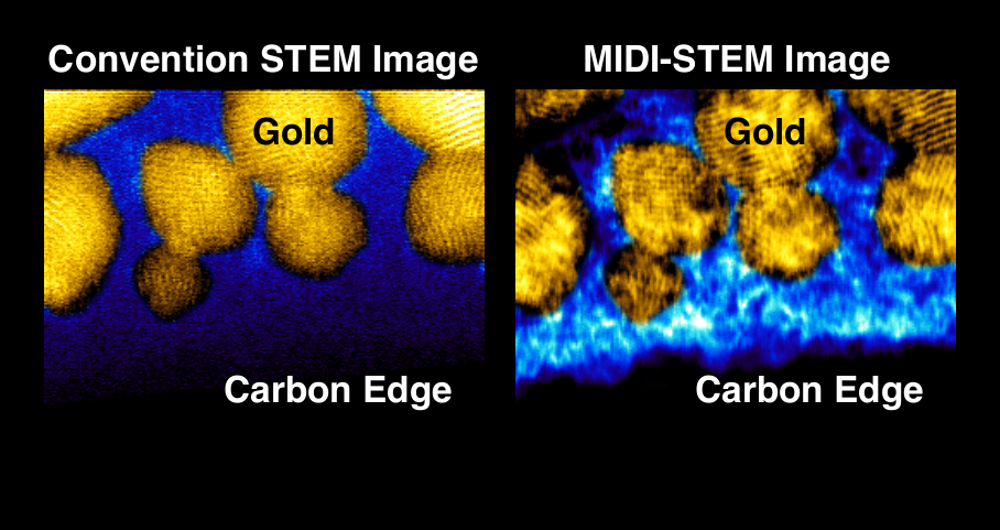
By embedding fixed arrays of gold nanoparticles into fluid lipid bilayers, Berkeley Lab scientists can study with unprecedented detail how the spatial patterns of chemical and physical properties on membranes can determine the fate of a cell – whether it lives or dies, remains normal or turns cancerous.

MORE>

Close Up Look at a Microbial Vaccination Program

September 22, 2011

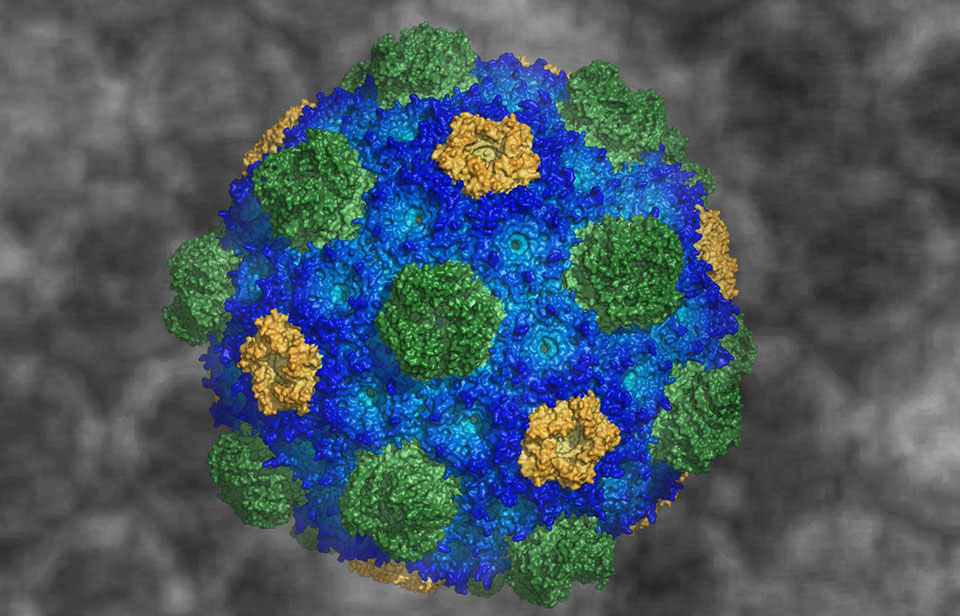
Berkeley Lab researchers, using a combination of cryo-electron microscopy and 3-D image reconstruction, determined the structure of Cascade, a protein complex that plays a key role in the microbial immune system by detecting and inactivating the nucleic acid of invading pathogens. Microbial immune systems in the human microbiome play a critical role in preserving the health of their human host.

MORE>

The Brittleness of Aging Bones – More than a Loss of Bone Mass

August 29, 2011

A Berkeley Lab study shows that at microscopic dimensions, the age-related loss of bone quality can be every bit as important as the loss of quantity in the susceptibility of bone to fracturing. While medical treatments to date have focused on age-related loss of bone mass, the age-related loss of bone quality is an independent factor.

MORE>

Lessons Learned from the Two Worst Oils Spills in U.S. History

August 18, 2011

One year after the BP Deepwater Horizon oil spill in the Gulf of Mexico and two decades after the Exxon Valdez spill in Alaska’s Prince William Sound, the scientific lesson is clear – microbes matter! Despite vast differences in the ecosystems and circumstances of these two worst oil spills in U.S. history, oil-degrading microorganisms played a significant role in reducing the overall environmental impact of both spills, a Berkley Lab scientist reports.

MORE>

Biological Circuits for Synthetic Biology: Berkeley Lab Researchers Aim to Keep Things Simple

May 26, 2011

Using the tools of synthetic biology, Berkeley Lab researchers have engineered the first RNA-based regulatory system that can independently control the transcription activities of multiple targets in a single cell. This is a significant advance for the design and construction of programmable genetic networks.

MORE>

Safeguarding Genome Integrity Through Extraordinary DNA Repair

April 18, 2011

Once called “junk DNA” because it contains numerous repeated short sequences that don’t code for proteins, heterochromatin is in fact vital for normal growth and function. Yet it poses special challenges to accurate DNA repair. Berkeley Lab life scientists have discovered an unsuspected and dramatic process by which double-strand breaks in heterochromatin are repaired in dynamic stages.

MORE>

Secrets of a Precision Protein Machine

April 14, 2011

The structure of the DNA-slicing protein FEN1, an essential player in human DNA replication, has been solved by an international team of life scientists led by researchers at Berkeley Lab and the Scripps Research Institute. FEN1 cuts the “flaps” leftover when new fragments of DNA are assembled during replication and also plays a role in DNA repair. Its protein structure reveals the surprising mechanism behind FEN1’s speed, accuracy, and versatility.

MORE>

Berkeley Lab Scientists Find that Normal Breast Cells Help Kill Cancer Cells

April 13, 2011

Berkeley Lab researchers have shown that normal breast cells help defend against cancer by producing the protein interleukin 25 to actively and specifically kill breast cancer cells. This important new finding points the way to a new therapeutic target for breast cancer treatment.

MORE>

Berkeley Lab Researchers Make First Perovskite-based Superlens for the Infrared

March 29, 2011

Berkeley Lab researchers have fabricated superlenses from perovskite oxides that are ideal for capturing light in the mid-infrared range, opening the door to highly sensitive biomedical detection and imaging. It may also be possible to turn the superlensing effect on/off, opening the door to highly dense data writing and storage.

MORE>

A U.S. Department of Energy National Laboratory Operated by the University of California
UC logo
Questions & CommentsPrivacy & Security Notice