LBNL Masthead A-Z Index Berkeley Lab masthead U.S. Department of Energy logo Phone Book Jobs Search
Search the News Center:
Posts Tagged ‘Earth sciences’

More Potent than Carbon Dioxide, Nitrous Oxide Levels in California May be Nearly Three Times Higher Than Previously Thought

December 4, 2012

Using a new method for estimating greenhouse gases that combines atmospheric measurements with model predictions, Lawrence Berkeley National Laboratory (Berkeley Lab) researchers have found that the level of nitrous oxide, a potent greenhouse gas, in California may be 2.5 to 3 times greater than the current inventory. At that level, total N2O emissions—which are believed to come primarily from nitrogen fertilizers used in agricultural production—would account for about 8 percent of California’s total greenhouse gas emissions.

MORE>

Climate Change Study Strengthens Link to Human Activities

November 29, 2012

New research shows some of the clearest evidence yet of a discernible human influence on atmospheric temperature. The study compared 20 of the latest climate models against 33 years of satellite data. When human factors were included in the models, they followed the pattern of temperature changes observed by satellite. When the same simulations were run without considering human influences, the results were quite different.

MORE>

Speeding the Search for Better Carbon Capture

August 20, 2012

Berkeley Lab researchers helped develop the first computational model to accurately predict the interactions between flue gases and a special variety of the carbon dioxide-capturing molecular systems known as metal-organic frameworks (MOFs). This new model should greatly accelerate the search for new low-cost and efficient ways to burn coal without exacerbating global climate change.

MORE>

Ask a Scientist About Extreme Weather and Climate Change

August 13, 2012

Do you have questions about droughts, heat waves, extreme weather, and climate change? Ask a scientist! Michael Wehner is a climate scientist in Berkeley Lab’s Computational Research Division. He uses high-performance computing to study extreme weather events in a changing climate, especially heat waves, floods, droughts and hurricanes.

MORE>

Measuring the “Other” Greenhouse Gases: Higher Than Expected Levels of Methane in California

June 12, 2012

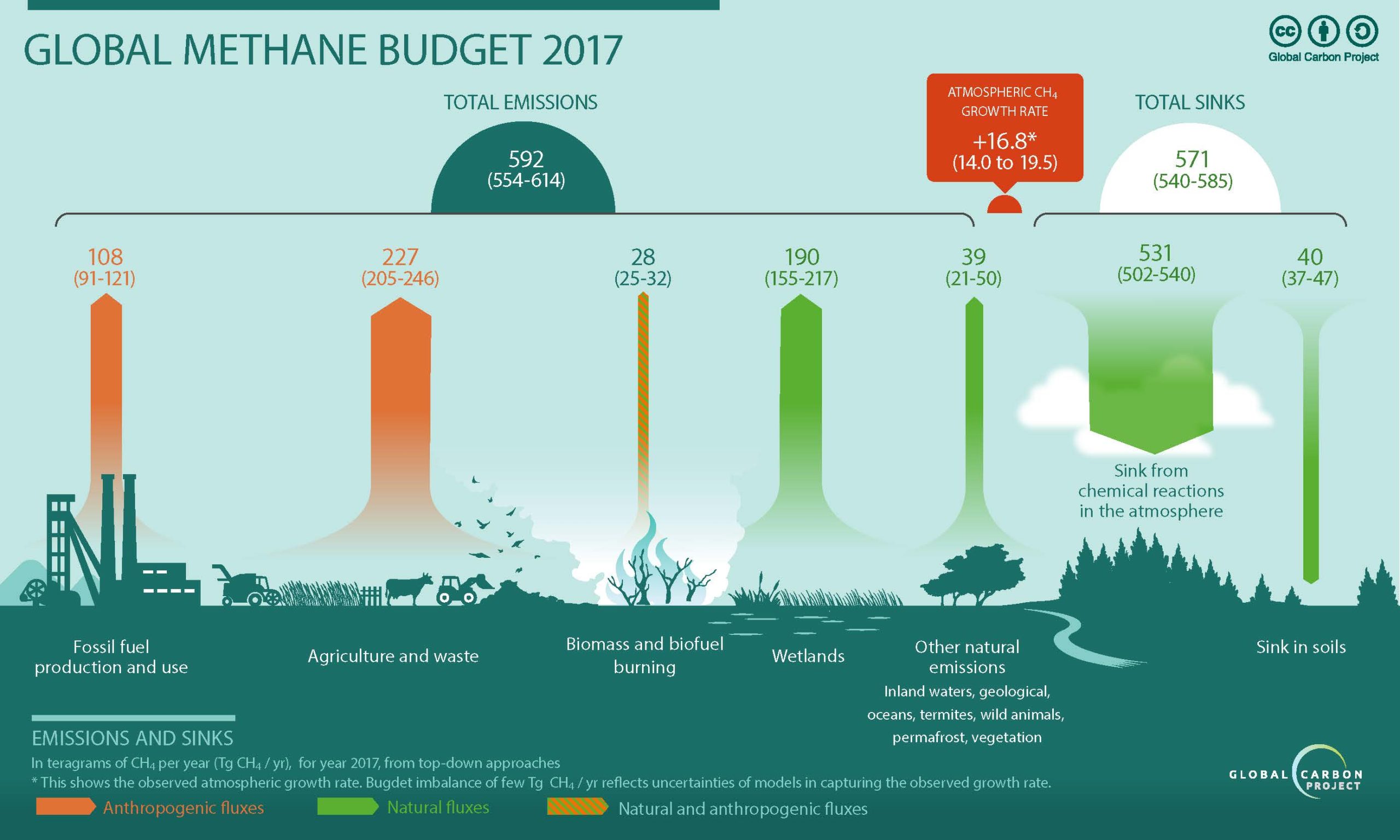
New research from Lawrence Berkeley National Laboratory (Berkeley Lab) has found that levels of methane—a potent greenhouse gas emitted from many man-made sources, such as coal mines, landfills and livestock ranches—are at least one-and-a-half times higher in California than previously estimated.

MORE>

From Soil Microbe to Super-Efficient Biofuel Factory?

May 3, 2012

Berkeley Lab scientists are exploring whether a common soil bacterium can be engineered to produce liquid transportation fuels much more efficiently than the ways in which advanced biofuels are made today. The process would be powered only by hydrogen and electricity. The goal is a biofuel—or electrofuel, as this new approach is called—that doesn’t require photosynthesis.

MORE>

Full Disclosure in Science

April 13, 2012

In a Public Forum essay in the journal Science, a group of scholars including Berkeley Lab’s Paul Adams advocates an end to withholding computer source code in the publication of scientific results, calling the practice a “black box” that is creating far-reaching problems for understanding and reproducing new research findings.

MORE>

Berkeley Lab Quantifies Effect of Soot on Snow and Ice, Supporting Previous Climate Findings

March 5, 2012

A new study from scientists at the Lawrence Berkeley National Laboratory (Berkeley Lab), published in Nature Climate Change, has quantitatively demonstrated that black carbon—also known as soot, a pollutant emitted from power plants, diesel engines and residential cooking and heating, as well as forest fires—reduces the reflectance of snow and ice, an effect that increases the rate of global climate change.

MORE>

Fill ‘Er Up With Tobacco? Berkeley Lab-Led Team Explores New Path to Biofuels

February 23, 2012

This week’s ARPA-E Summit features several Berkeley Lab-led projects, all aimed at dramatically improving how the U.S. produces and uses energy. Among them is an effort to produce transportation fuel from tobacco. The goal is to engineer tobacco plants that use energy from the sun to produce fuel molecules directly in their leaves.

MORE>

Depleted Gas Reservoirs Can Double as Geologic Carbon Storage Sites

January 5, 2012

A demonstration project in Australia has helped to verify that depleted natural gas reservoirs can be used for geologic carbon sequestration, a climate change mitigation strategy that involves pumping CO2 deep underground for permanent storage. The project also demonstrated that depleted gas fields have enough storage capacity to make a significant contribution to reducing global emissions.

MORE>

A U.S. Department of Energy National Laboratory Operated by the University of California
UC logo
Questions & CommentsPrivacy & Security Notice