LBNL Masthead A-Z Index Berkeley Lab masthead U.S. Department of Energy logo Phone Book Jobs Search
Search the News Center:
Posts Tagged ‘health’

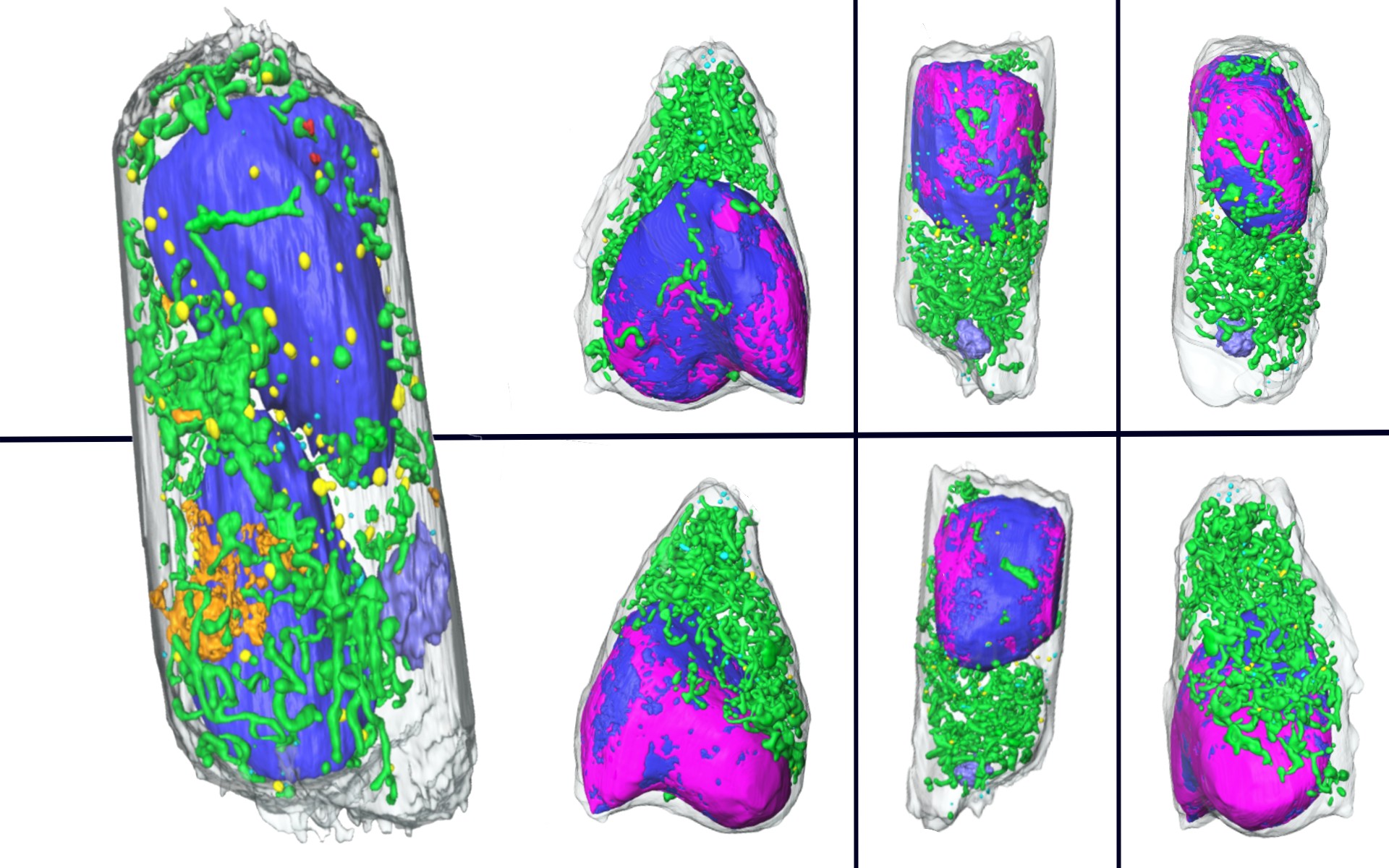
Molecular Spectroscopy Tracks Living Mammalian Cells in Real Time as They Differentiate

April 30, 2012

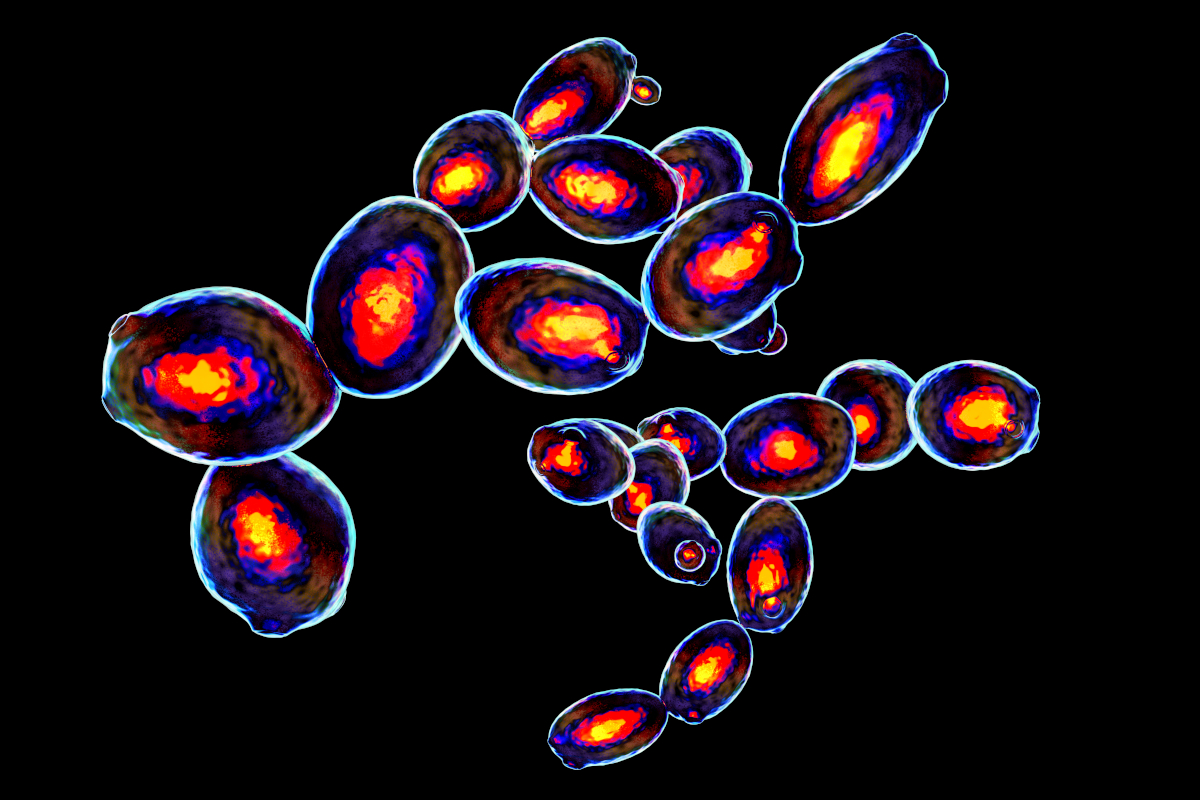
Cells regulate their functions by adding or subtracting phosphates from proteins. If scientists could study the phosphorylation process in detail, in individual mammalian cells over time, understanding and treating diseases would be greatly aided. Formerly this was impossible without damaging the cells or interfering with the process itself, but Berkeley Lab scientists and their colleagues have now achieved the goal using the Advanced Light Source’s bright infrared beams and a technique called Fourier transform spectromicroscopy.

MORE>

Obesity as a Vicious Circle

November 23, 2011

A researcher at the Lawrence Berkeley National Laboratory (Berkeley Lab) has come up with some intriguing new data and a provocative hypothesis: that obesity itself makes people much more susceptible to risk factors that promote weight gain in the first place.

MORE>

Close Up Look at a Microbial Vaccination Program

September 22, 2011

Berkeley Lab researchers, using a combination of cryo-electron microscopy and 3-D image reconstruction, determined the structure of Cascade, a protein complex that plays a key role in the microbial immune system by detecting and inactivating the nucleic acid of invading pathogens. Microbial immune systems in the human microbiome play a critical role in preserving the health of their human host.

MORE>

Learning to Read the Genome

December 22, 2010

As part of the National Institutes of Health’s “model organism Encyclopedia of DNA Elements” (modENCODE) project, Berkeley Lab researchers have made major advances in understanding the complex relationships between the Drosophila genome as recorded by DNA and RNA base pairs and the patterns and physical organization of its chromosomes, both essential for producing a functioning fruit fly. These new insights into reading the genome apply to human beings and many other organisms as well.

MORE>

Reading the Signs: Plants and Animals Found Common Ground in Response to Microbial Threats

November 19, 2010

Contrary to long-held beliefs, plants and animals have
developed remarkably similar mechanisms for detecting microbial invasions. This holds promise for the future treatment of infectious diseases in humans.

MORE>

Berkeley study shows ozone and nicotine a bad combination for asthma

August 16, 2010

Using the unique capabilities of the Chemical Dynamics Beamline at Berkeley Lab’s Advanced Light Source, researchers have demonstrated that ozone can react with the nicotine in secondhand tobacco smoke to form ultrafine particles that may become a bigger threat to asthma sufferers than nicotine itself.

MORE>

Study reveals dangers of nicotine in third-hand smoke

February 8, 2010

Nicotine in third-hand smoke, the residue from tobacco smoke that clings to virtually all surfaces long after a cigarette has been extinguished, reacts with the common indoor air pollutant nitrous acid to produce dangerous carcinogens. This new potential health hazard was revealed in a multi-institutional study led by researchers with Berkeley Lab.

MORE>

Berkeley Lab Awarded $12.8 Million in Stimulus Funds for Health Research

January 19, 2010

Lawrence Berkeley National Laboratory has been awarded $12.8 million in American Recovery and Reinvestment Act funding by the National Institutes of Health (NIH) for research into cancer, neurodegenerative diseases, radioactive decontamination and a variety of other health conditions.

MORE>

New Biological Route for Swine Flu to Human Infections

December 9, 2009

Berkeley Lab researchers have discovered a new biological pathway by which the H1N1 flu virus can make the jump from swine to humans. Early tests indicate this pathway may have played an important role in transmitting the virus into humans.

MORE>

The Hidden Costs of Energy Production—$120 Billion In 2005

October 21, 2009

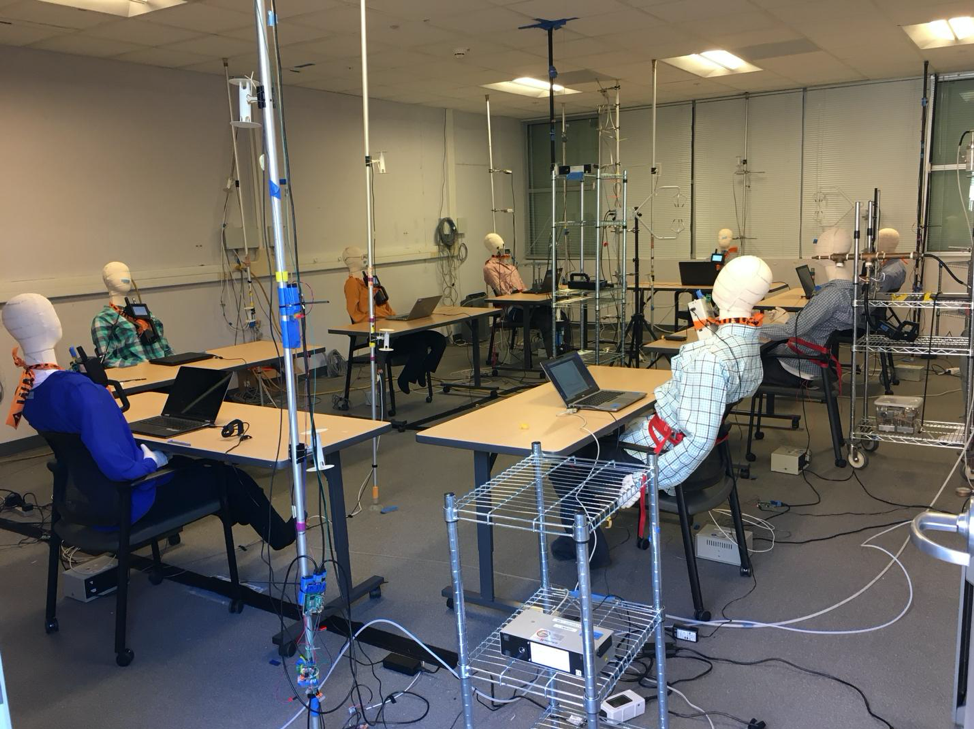
A report from the National Academies of Science cites damage to human health from air pollution associated with electricity generation and motor vehicle transportation as one of the single biggest hidden costs of energy production

MORE>

A U.S. Department of Energy National Laboratory Operated by the University of California
UC logo
Questions & CommentsPrivacy & Security Notice