LBNL Masthead A-Z Index Berkeley Lab masthead U.S. Department of Energy logo Phone Book Jobs Search
Search the News Center:
Posts Tagged ‘nanoscience’

Nanocrystal Transformers

July 8, 2011

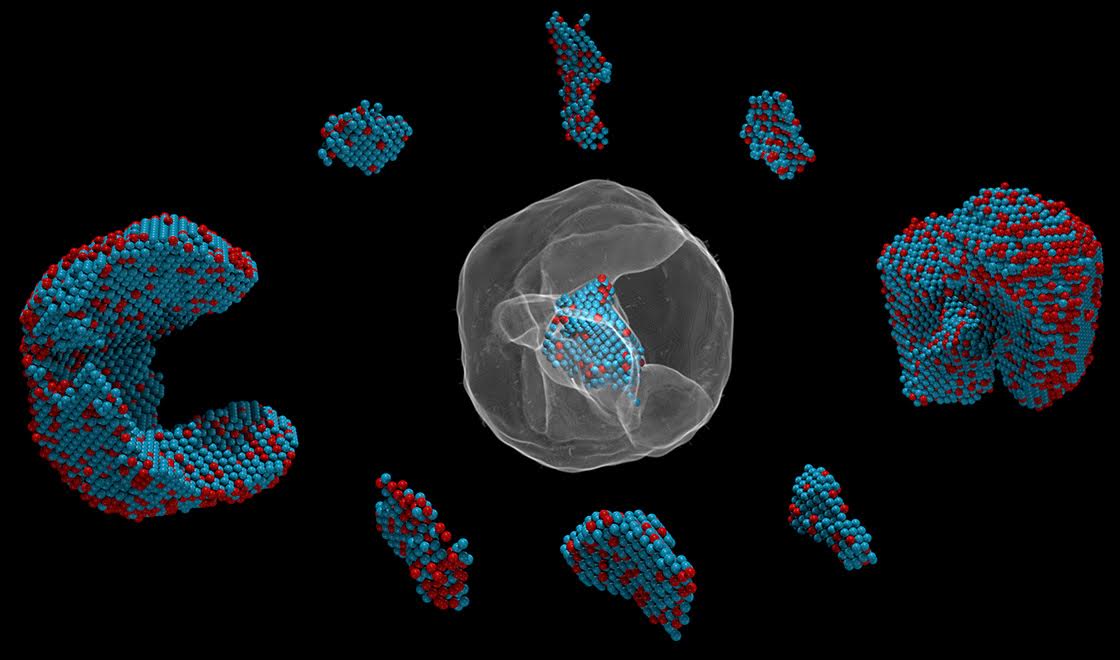
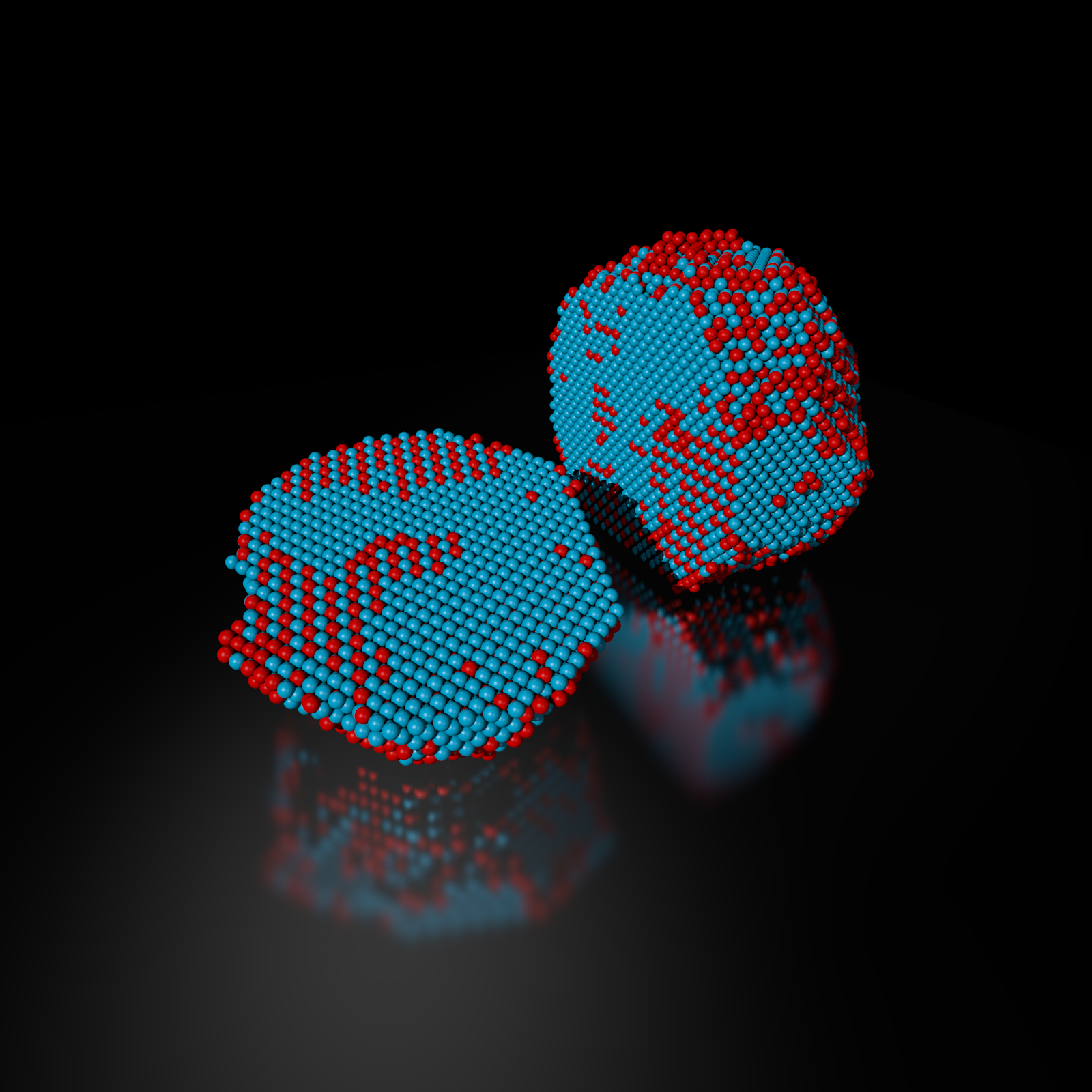
Using the TEAM 0.5 microscope, Berkeley Lab researchers recorded the first direct observation of structural transformations within a single nanocrystal of copper sulfide. The results break new ground for the design of novel materials that will serve next-generation energy storage batteries and solar energy harvesting devices.

MORE>

Berkeley Lab Researchers Apply NMR/MRI to Microfluidic Chromatography

July 6, 2011

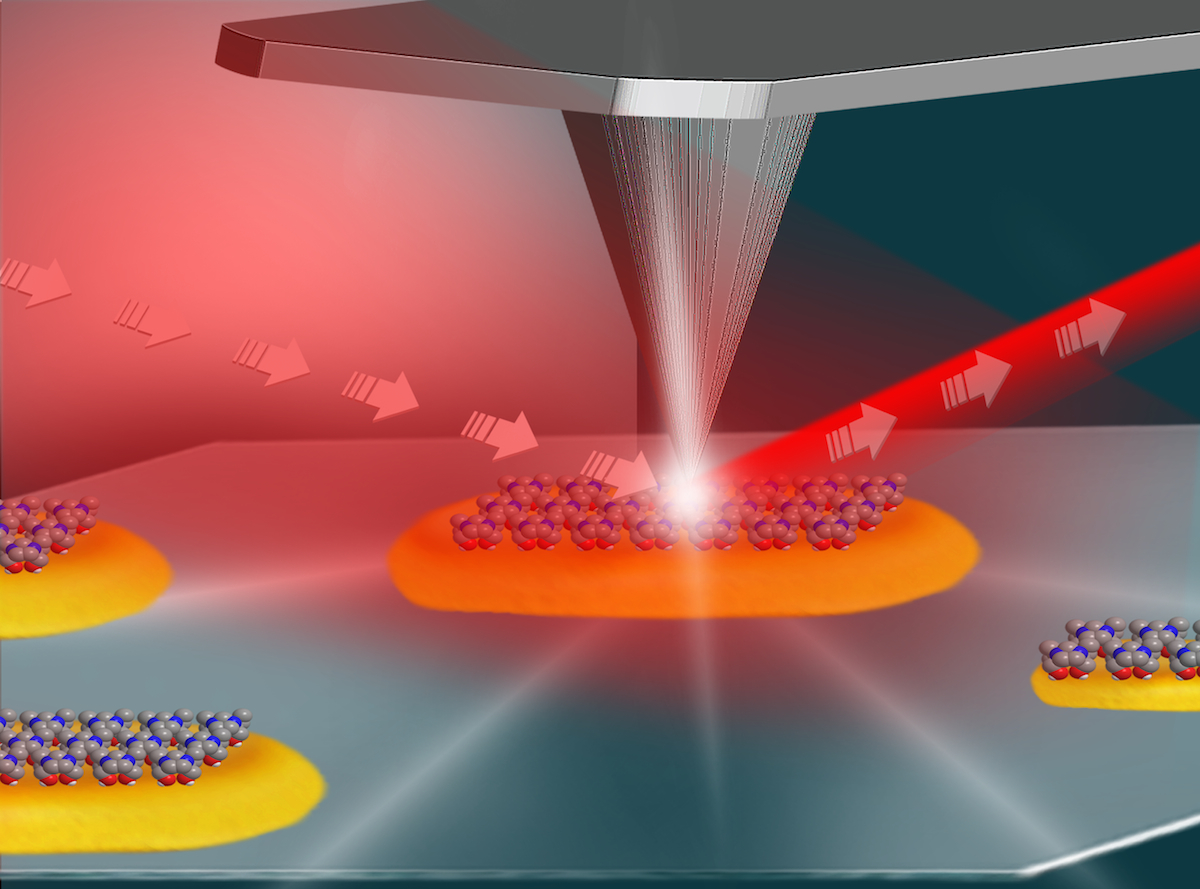
By pairing an R&D 100 award-winning remote-detection version of NMR/MRI technology with a unique version of chromatography specifically designed for microfluidic chips, Berkeley Lab researchers have opened the door to a portable system for highly sensitive multi-dimensional chemical analysis that would be impractical if not impossible with conventional technologies.

MORE>

Breaking Kasha’s Rule:

July 1, 2011

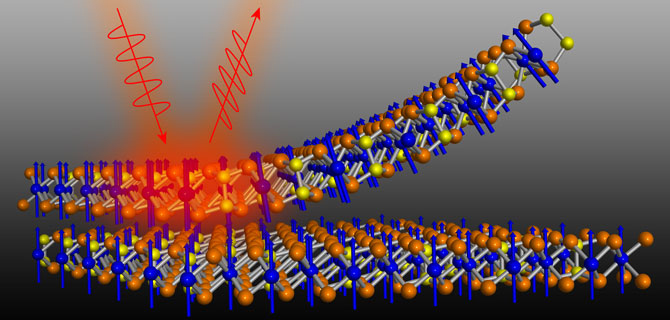
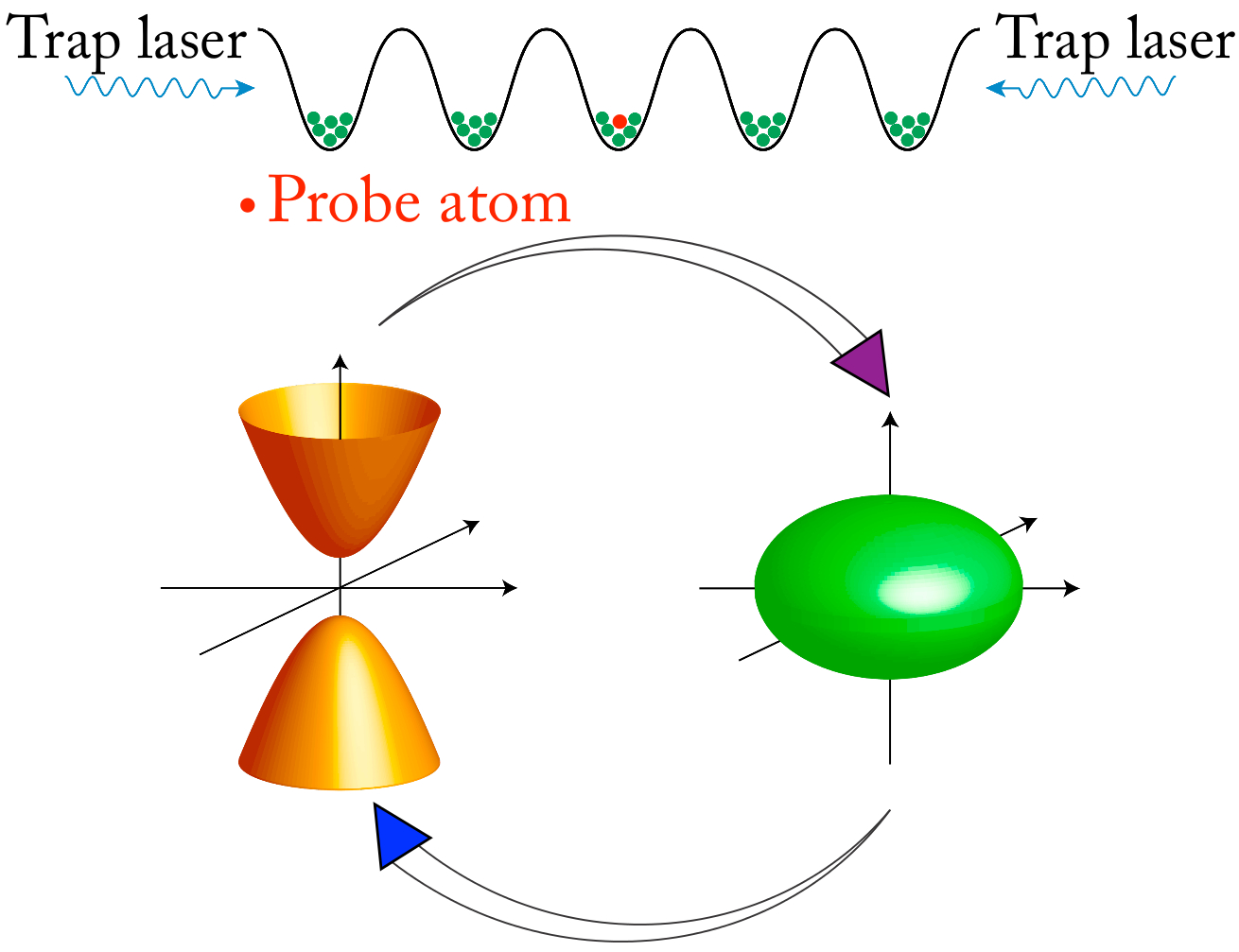
Berkeley Lab researchers created tetrapod molecules of semiconductor nanocrystals and watched them break a fundamental principle of photoluminescence known as “Kasha’s rule.” The discovery holds promise for multi-color light emission technologies, including LEDs.

MORE>

Splitsville for Boron Nitride Nanotubes

June 28, 2011

Berkeley Lab researchers, working with scientists at Rice University, have developed a technique for mass-producing defect-free boron nitride nanoribbons (BNNRs) of uniform length and thickness. BNNRs are predicted to display magnetic and electronic properties that hold enormous potential for future devices.

MORE>

Taking the 3D Measure of Macromolecules

June 16, 2011

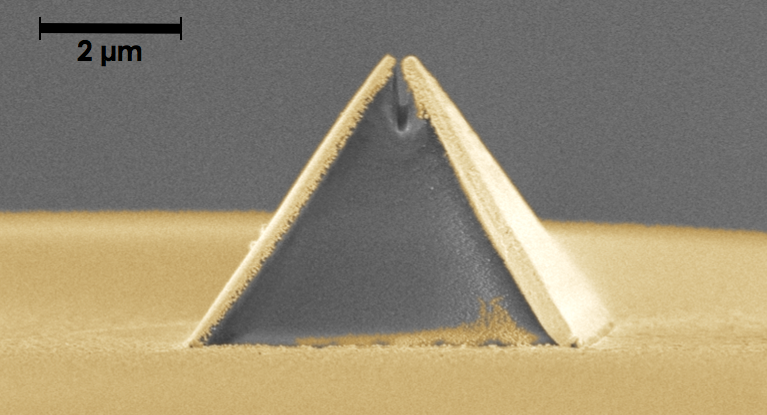
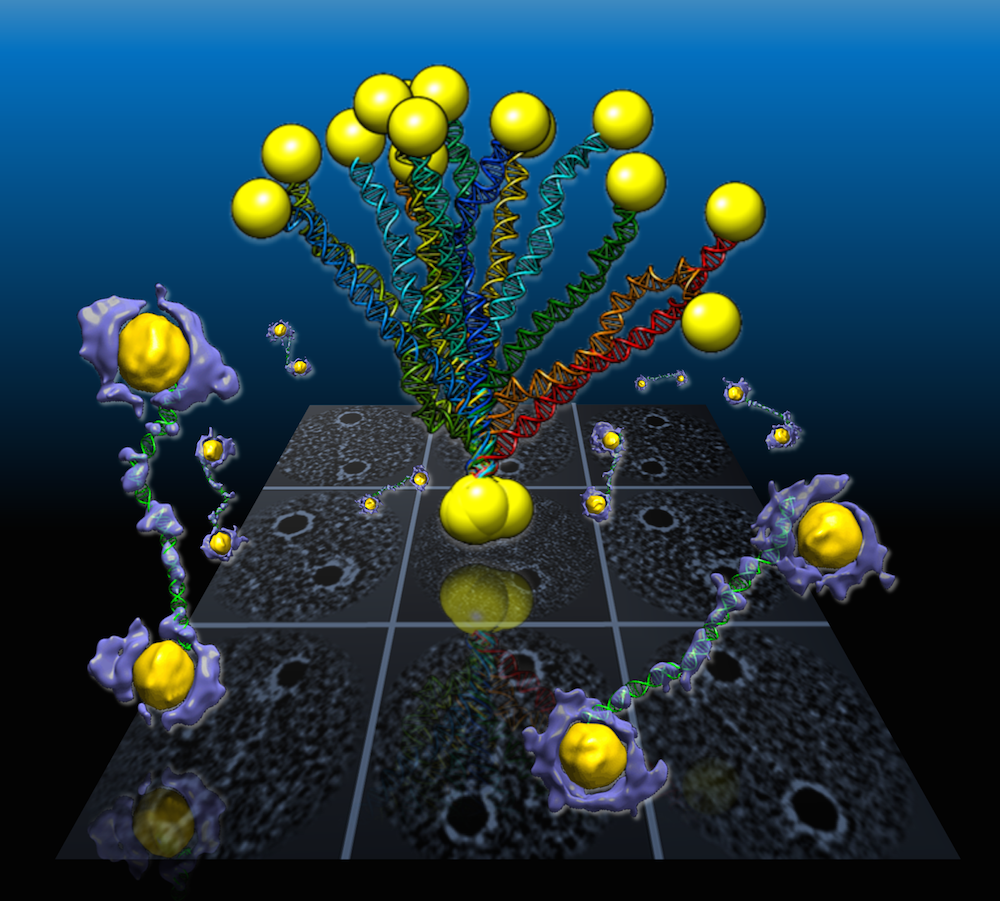
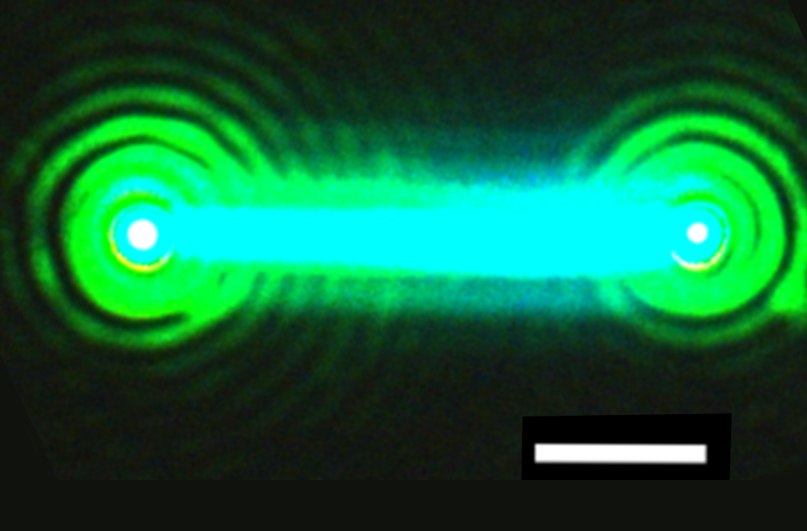
Berkeley Lab and German researchers have developed the world’s first three-dimensional plasmon rulers, capable of measuring nanometer-scale spatial changes in macromolecular systems. These 3D plasmon rulers could provide unprecedented details on such critical dynamic events in biology as the interaction of DNA with enzymes, the folding of proteins, the motion of peptides or the vibrations of cell membranes.

MORE>

Joint Center for Artificial Photosynthesis-North is Now Open

June 6, 2011

The Joint Center for Artificial Photosynthesis (JCAP) is a DOE Energy Innovation Hub being funded by up to $122 million over five years to develop a solar-fuel technology modeled off plant photosynthesis. JCAP-North, one of JCAP’s two California-based facilities, is now open. JCAP-North is operated by Berkeley Lab.

MORE>

Berkeley Lab Researchers Create Nanoscale Waveguide for Future Photonics

May 31, 2011

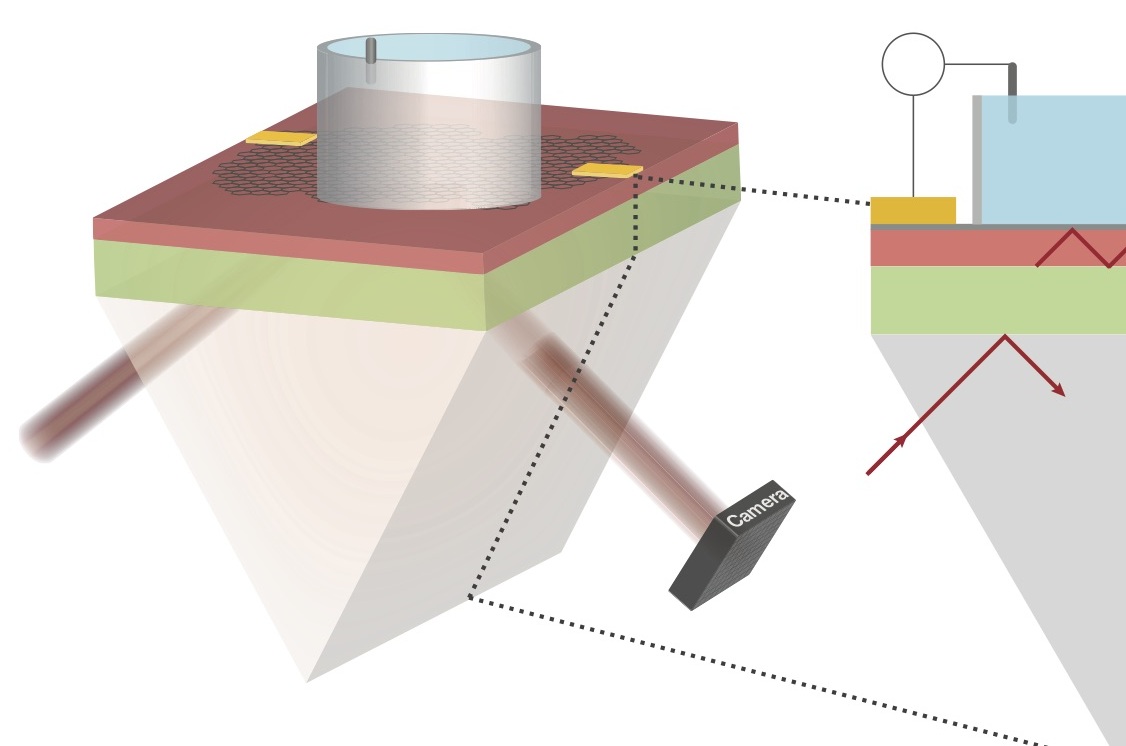
Berkeley Lab researchers have demonstrated the first true nanoscale waveguides for next generation on-chip optical communication systems. The waveguides are based on a quasi-particle the researchers conceptualized and created called the “hybrid plasmon polariton.”

MORE>

Sharpening the Nanofocus: Berkeley Lab Researchers Use Nanoantenna to Enhance Plasmonic Sensing

May 17, 2011

Berkeley Lab researchers have developed an antenna-enhanced plasmonic sensing technique for the observation of single catalytic processes in nanoreactors, or the optical detection of low concentrations of biochemical agents and gases.

MORE>

Berkeley Lab Researchers Win Four Early Career Awards

May 11, 2011

Berkeley Lab researchers have won four DOE Office of Science Early Career Research Program awards, in the second year of the planned annual award program. The five-year, $2.5 million awards are intended to support young scientists in the formative stages of their careers. The winners were chosen from over a thousand applicants by outside scientific experts.

MORE>

Electronic Life on the Edge

May 8, 2011

Long before anyone had actually isolated graphene, a honeycomb lattice of carbon just one atom thick, theorists were predicting that narrow ribbons of graphene would display extraordinary electronic, spintronic, and optical properties along their edges, including semiconductor-like band gaps that sheet graphene lacks. Now Berkeley Lab scientists and their colleagues have used novel techniques to confirm that these nanoribbon “edge states” exist and hold great potential for nanoscale devices.

MORE>

A U.S. Department of Energy National Laboratory Operated by the University of California
UC logo
Questions & CommentsPrivacy & Security Notice