LBNL Masthead A-Z Index Berkeley Lab masthead U.S. Department of Energy logo Phone Book Jobs Search
Search the News Center:
Posts Tagged ‘neutrinos’

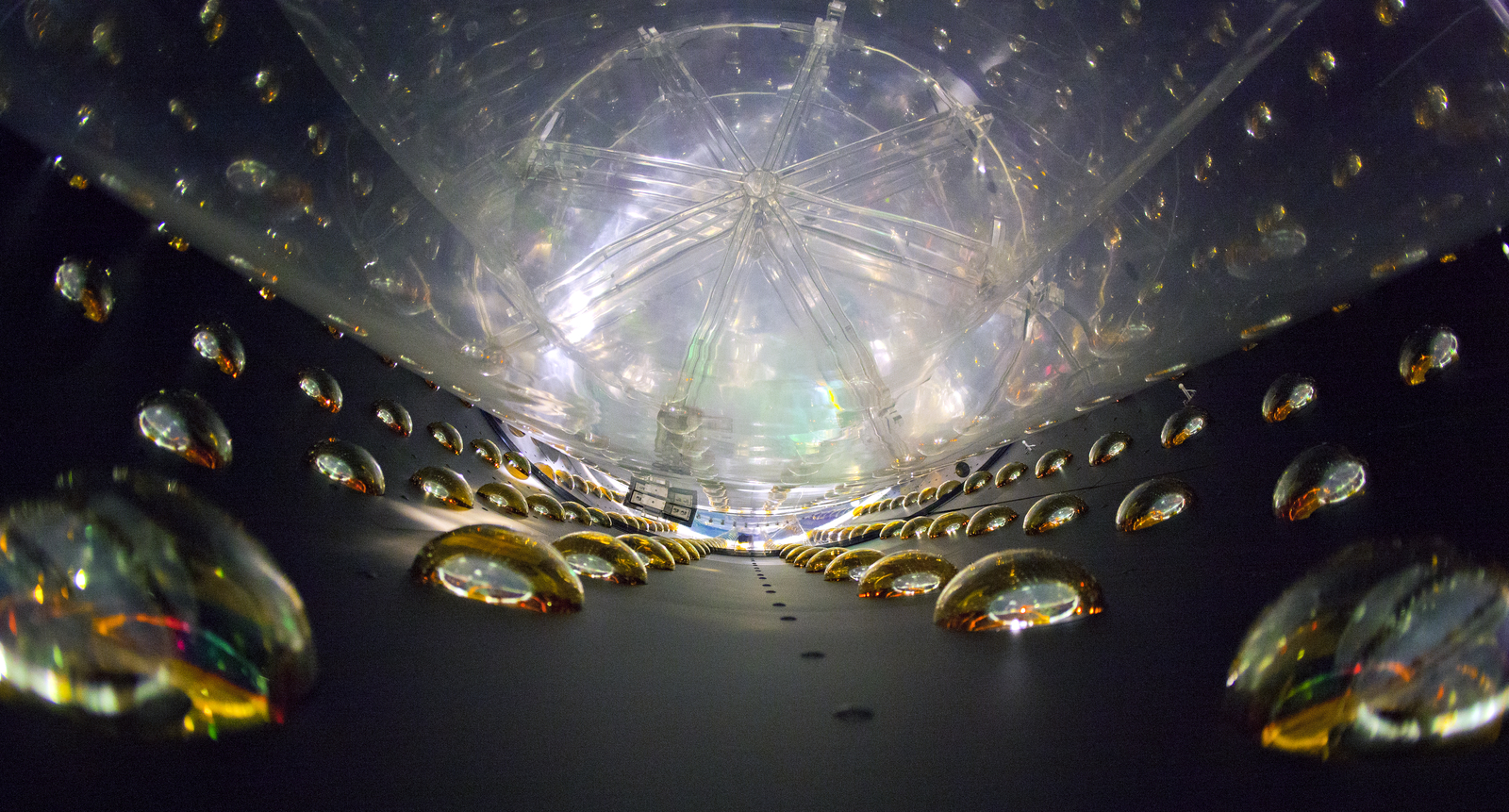
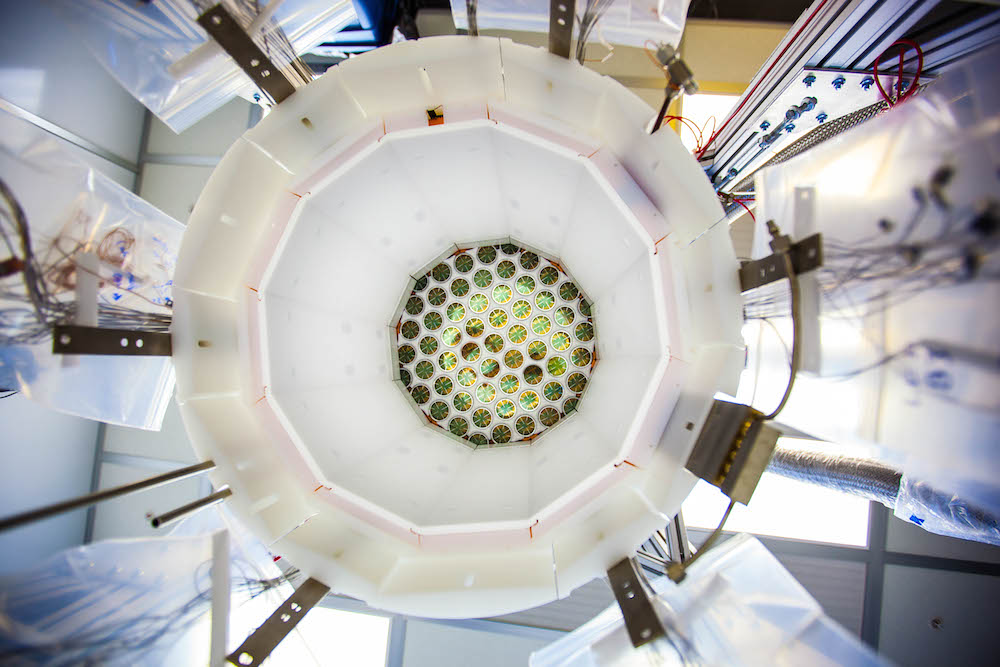
The Daya Bay Neutrino Experiment: On Track to Completion

February 15, 2011

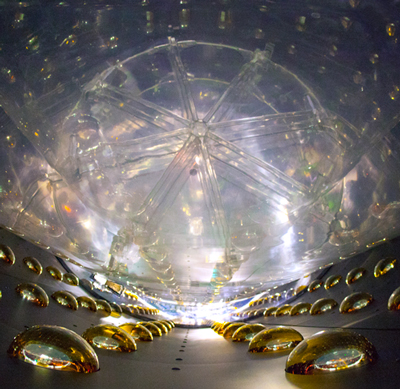
How much do different kinds of neutrinos weigh? And which kind is the heaviest? The answers could explain why there is more matter than antimatter in the universe, and indeed why there is any matter at all. Clues lie in determining the “mixing angles” at which neutrinos oscillate, one type into another. The Daya Bay Neutrino Experiment, an international collaboration whose U.S. participants are led by Berkeley Lab scientists and engineers, seeks to determine the most elusive mixing angle of them all, called theta one-three. See this interactive photographic tour of the remarkable underground laboratory.

MORE>

Into the Ice: Completing the IceCube Neutrino Observatory

December 17, 2010

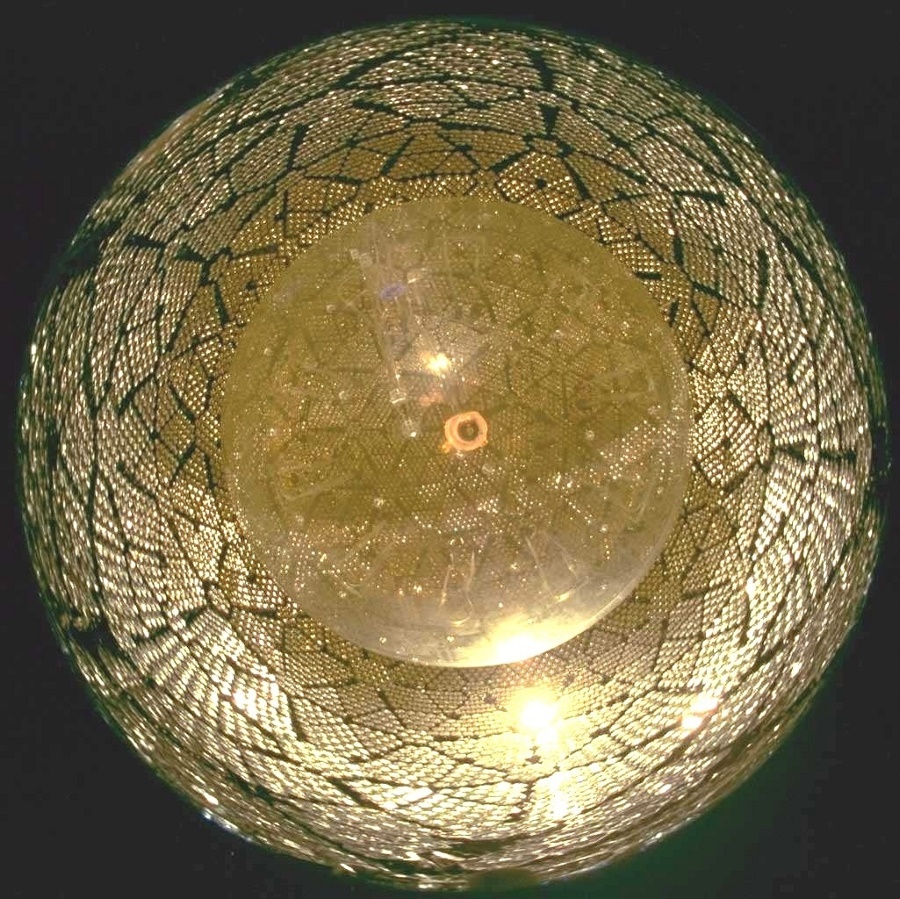
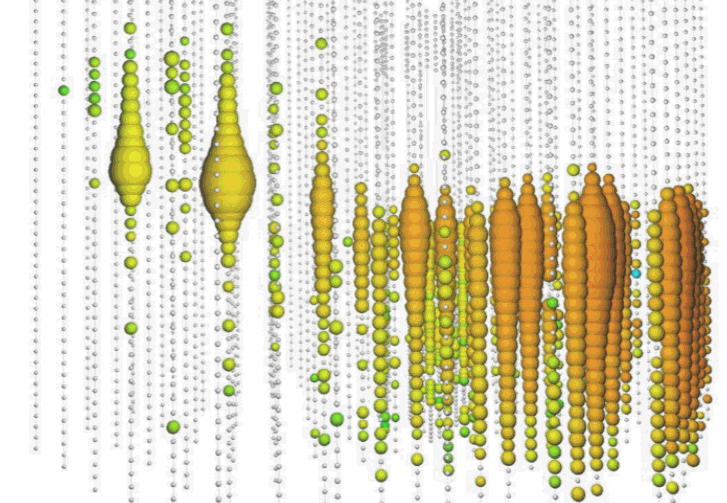
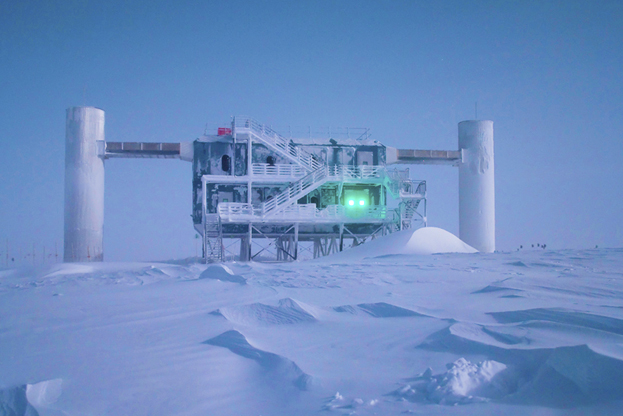
IceCube, the world’s most sensitive neutrino detector, is now complete. The giant neutrino telescope, buried a mile and a half deep in the Antarctic ice, now has its complete array of 86 strings carrying over 5,000 photodetectors, deployed to search for signs of neutrinos passing through the clear polar ice. The electronics and packaging of the photodetectors, called Digital Optical Modules, were conceived, designed, and tested by Berkeley Lab scientists and engineers.

MORE>

Wriggling Neutrinos Caught in the Act

June 3, 2010

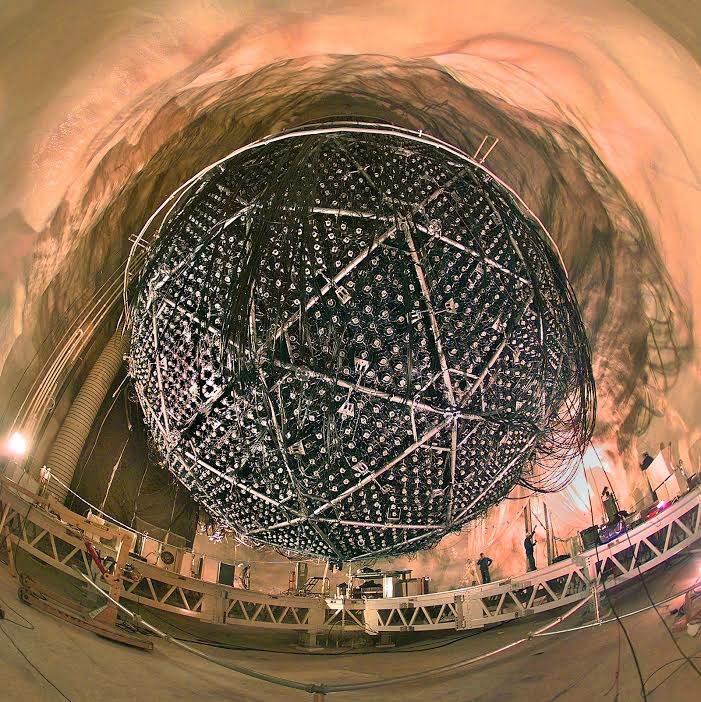
The first direct observation of a muon neutrino turning into a tau neutrino at the Gran Sasso underground laboratory in Italy confirms that indeed neutrinos do oscillate among “flavors.” Berkeley Lab’s Kevin Lesko says the result “really nails the neutrino oscillation phenomenon.”

MORE>

Neutrinos: Clues to the Most Energetic Cosmic Rays

April 19, 2010

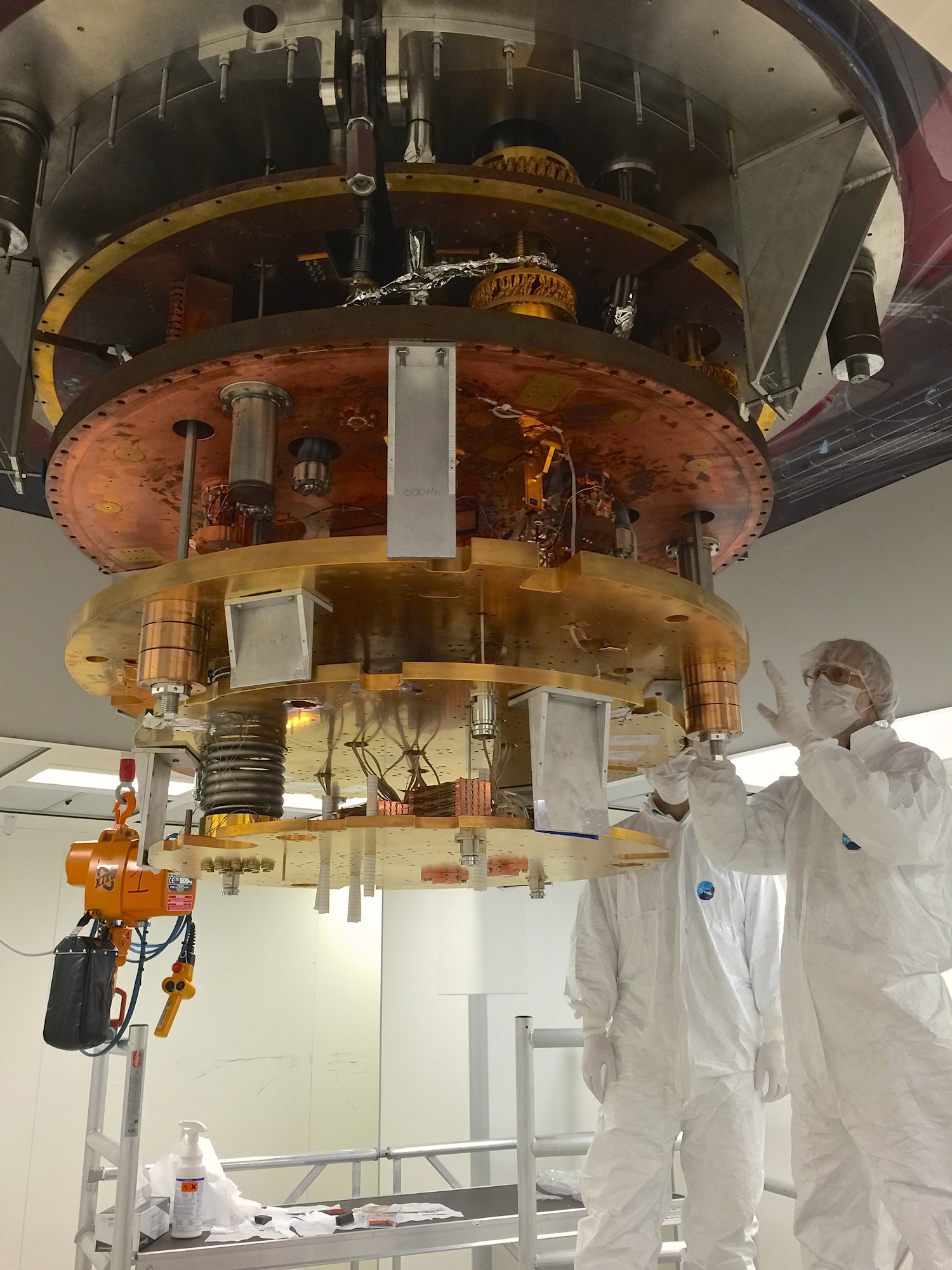
ARIANNA, a proposed array of detectors for capturing the most energetic cosmic rays, is being tested in Antarctica with a prototype station built last December on the Ross Ice Shelf by a Berkeley Lab team. By detecting neutrino-generated signals bounced off the interface of water and ice beneath the shelf, scientists hope to pinpoint the still unidentified sources of ultra-high-energy cosmic rays.

MORE>

DUSEL Digs Deeper to Welcome DOE

March 30, 2009

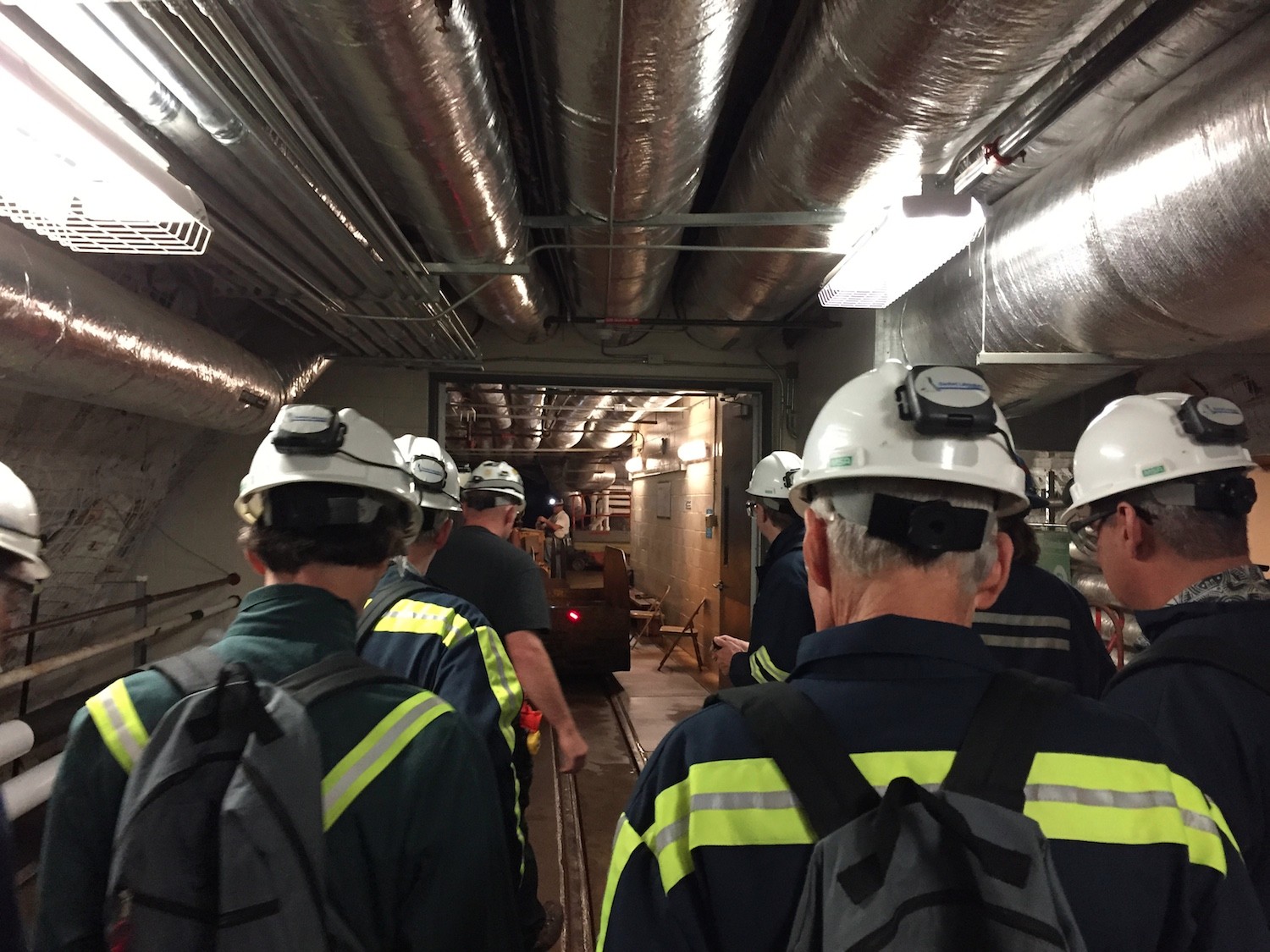
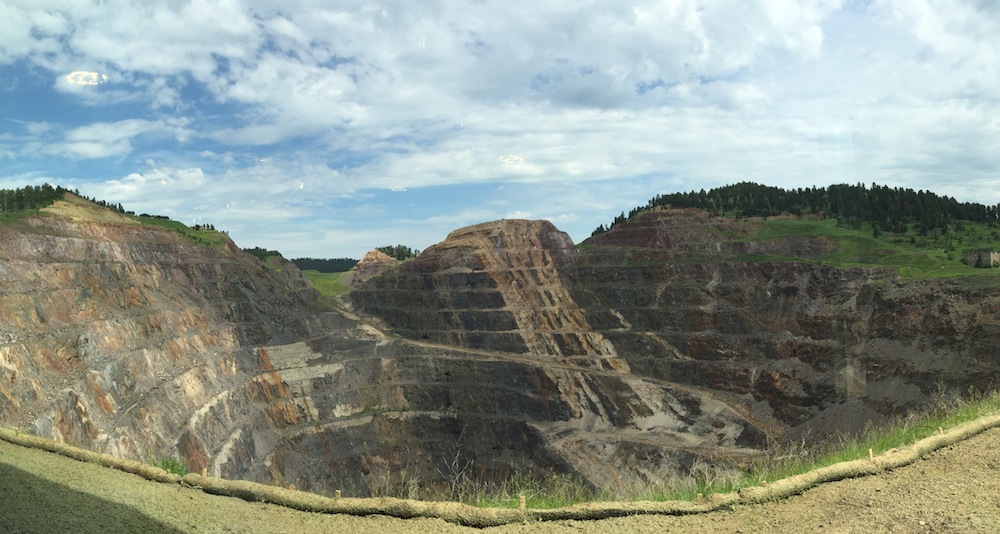
U.S. Department of Energy scientists and administrators join members of the National Science Foundation and South Dakota’s Sanford Underground Laboratory for the deepest journey yet to the proposed site of the Deep Underground Science and Engineering Laboratory (DUSEL).

MORE>

A U.S. Department of Energy National Laboratory Operated by the University of California
UC logo
Questions & CommentsPrivacy & Security Notice