LBNL Masthead A-Z Index Berkeley Lab masthead U.S. Department of Energy logo Phone Book Jobs Search
Search the News Center:
Posts Tagged ‘synthetic biology’

Clearing a Potential Road Block to Bisabolane

January 9, 2012

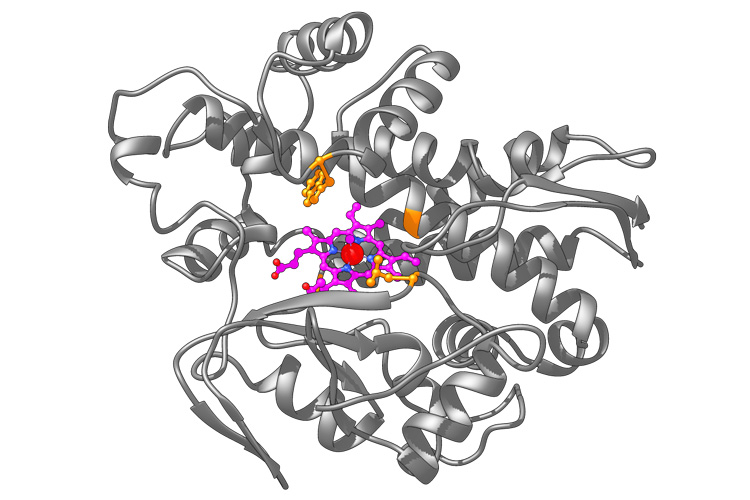
Joint BioEnergy Institute (JBEI) researchers have determined the three-dimensional crystal structure of a protein that is key to boosting the microbial-based production of bisabolane as a clean, green and renewable biosynthetic alternative to D2 diesel fuel.

MORE>

CAD for RNA

December 22, 2011

Joint BioEnergy Institute (JBEI) researchers have developed computer assisted design (CAD)-type tools for engineering RNA components to control genetic expression in microbes. This holds enormous potential for microbial-based production of advanced biofuels, biodegradable plastics, therapeutic drugs and a host of other goods now derived from petrochemicals.

MORE>

E. Coli Bacteria Engineered to Eat Switchgrass and Make Transportation Fuels

November 29, 2011

Strains of E. coli bacteria were engineered to digest switchgrass biomass and synthesize its sugars into gasoline, diesel and jet fuel. The switchgrass, which is among the most highly touted of the potential feedstocks for advanced biofuels, was pre-treated with ionic liquid, a key to the success of this study.

MORE>

Joint BioEnergy Institute Scientists Identify New Microbe-Produced Advanced Biofuel as an Alternative to Diesel Fuel

September 27, 2011

Joint BioEnergy Institute researchers have identified a terpene called bisabolane as a potential biofuel for replacing diesel fuel. The researchers have also engineered two strains of microbes – a bacteria and a yeast – that can be used in the biosynthetic production of this clean, green, renewable and domestic alternative to diesel fuel.

MORE>

DNA Construction Software Saves Time, Resources and Money

August 16, 2011

Berkeley Lab scientists have developed the first software package for automating DNA construction that not only makes the process faster and more efficient but – with an eye on the economics of scientific discovery – also identifies which construction strategy would be the most cost-effective.

MORE>

Biological Circuits for Synthetic Biology: Berkeley Lab Researchers Aim to Keep Things Simple

May 26, 2011

Using the tools of synthetic biology, Berkeley Lab researchers have engineered the first RNA-based regulatory system that can independently control the transcription activities of multiple targets in a single cell. This is a significant advance for the design and construction of programmable genetic networks.

MORE>

Striking the Right Balance: JBEI Researchers Counteract Biofuel Toxicity in Microbes

May 11, 2011

Researchers at the Joint BioEnergy Institute have created a library of microbial efflux pumps that reduce toxicity and boost production of biofuels in engineered strains of microbes. This library and the bioprospecting strategy behind it should serve as valuable new tools for the development of advanced biofuels and other areas of biotechnology as well.

MORE>

Starting a New Metabolic Path: JBEI and Berkeley Lab Researchers Develop Technique to Help Metabolic Engineering

April 20, 2011

JBEI and Berkelety Lab researchers have demonstrated a new technique for the metabolic engineering of microbes that speeds up and improves the identification and quantification of proteins within a cell or organism. The new technique is called “targeted proteomics.”

MORE>

The Philomathia Foundation Symposium at Berkeley: Pathways to a sustainable energy future – all-star lineup of energy experts to present in Berkeley

September 13, 2010

An international all-star lineup of experts in solar and biofuel energy, climate science, urban design and other areas of research critical to sustainable energy technologies will gather in Berkeley for a public symposium on October 1 and 2, 2010. The goal is to lay out the best course of action for a clean, green energy future.

MORE>

Keasling Wins BIO’s First Biotech Humanitarian Award

May 20, 2009

Berkeley Lab’s Jay Keasling has been selected by the Biotechnology Industry Organization (BIO) to receive its first annual Biotech Humanitarian Award. Keasling was recognized for his use of synthetic biology techniques to develop a simple and much less expensive means of making artemisinin, today’s most powerful anti-malaria drug.

MORE>

A U.S. Department of Energy National Laboratory Operated by the University of California
UC logo
Questions & CommentsPrivacy & Security Notice