
All News

Do You Know the Way to Berkelium, Californium?
berkelium californium heavy elements

Missing Baryons Found in Far-Out Reaches of Galactic Halos

Photo - A new study has found that a share of particles that has gone missing is most likely located at the distant bounds of galaxy haloes. The study found some of these particles of baryonic matter located about 6 million light-years from their galactic centers. This color-rendered image shows the halo of the Andromeda galaxy, which is the Milky Way’s largest galactic neighbor. (Credit: NASA)

Commercial Truck Electrification is Within Reach

stock photo of commercial truck

Scientist Q&A: The Molecular Imaging Behind COVID-19 Breakthroughs

U.S. Magnet Development Project for CERN Particle Collider Upgrade Moves Forward
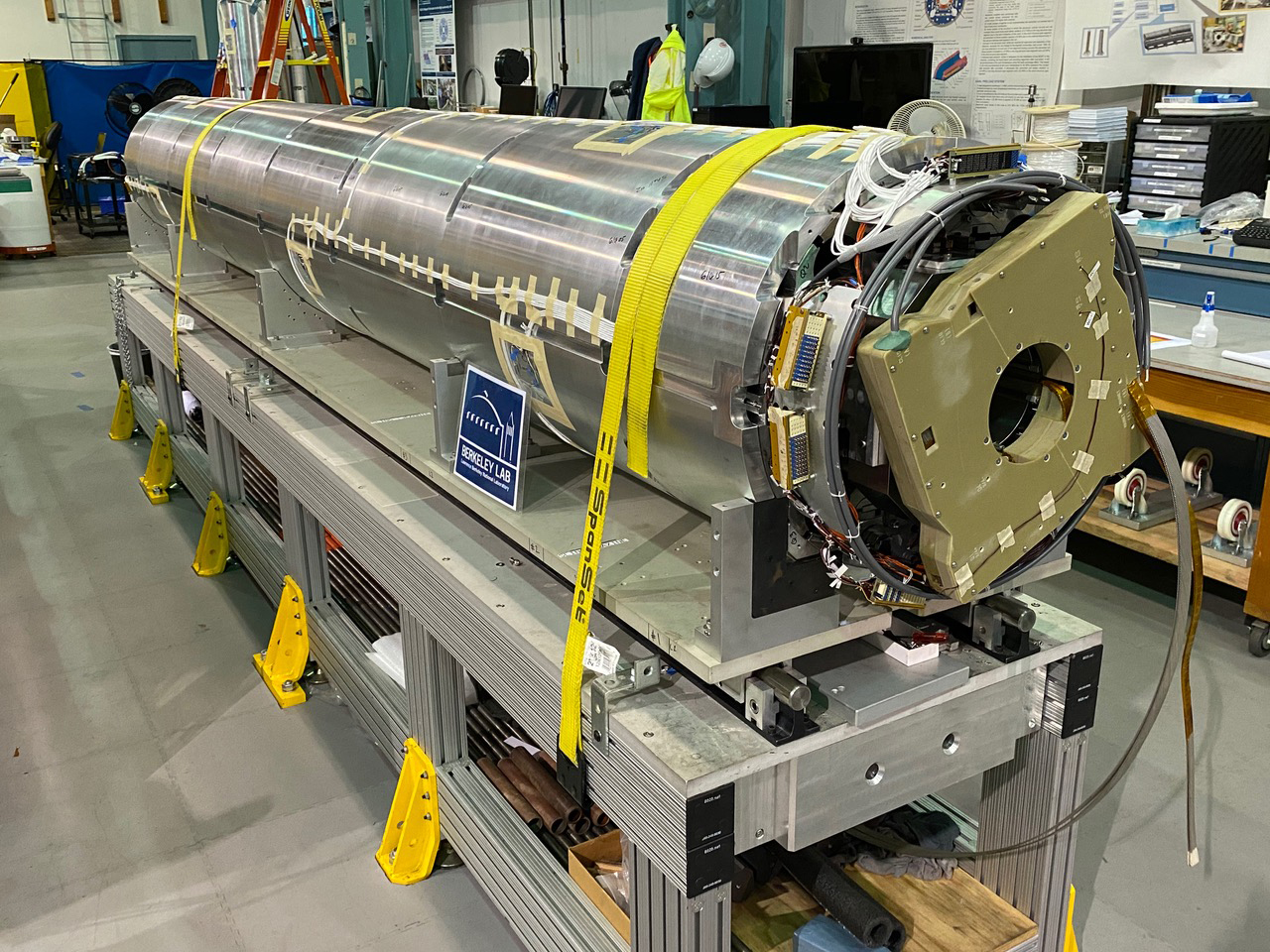
Photo - The HL-LHC Accelerator Upgrade Project magnets use conductors made of niobium-tin to generate a stronger magnetic field compared to predecessor technology. These world-record-setting magnets will have their debut in the HL-LHC: Its run will be the first time that U.S.-built niobium-tin magnets will be used in a particle accelerator for particle physics research. (Credit: Dan Cheng/Lawrence Berkeley National Laboratory)

Berkeley Lab’s Advanced Monitoring Capabilities Still in Use 10 Years After Fukushima Earthquake and Nuclear Power Plant Disaster
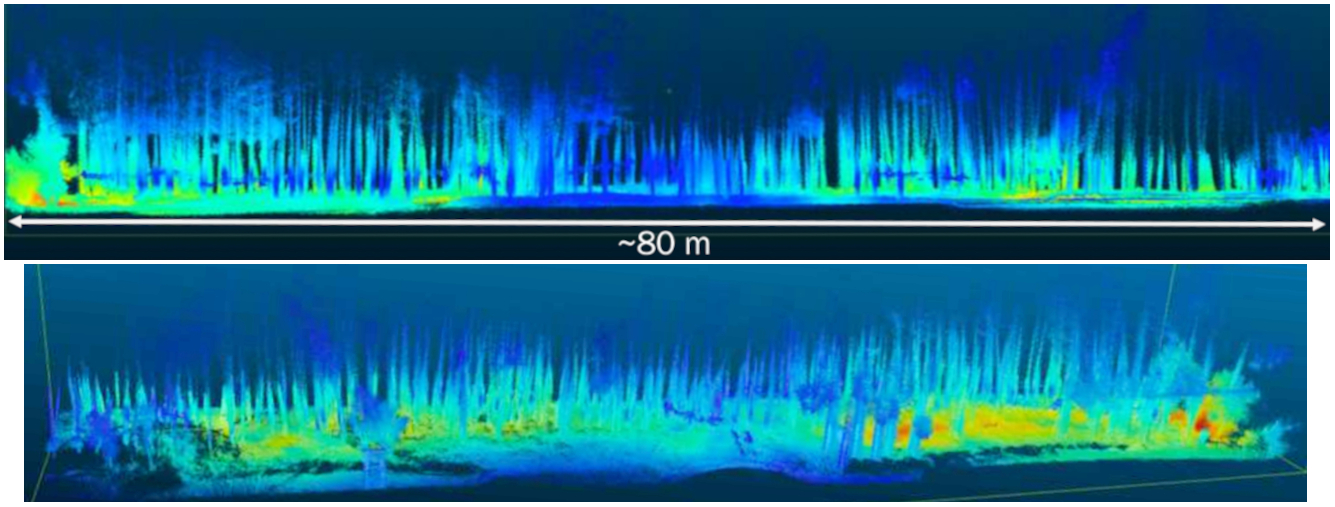
Image - A 3D cesium-137 contamination map in a bamboo forest in the Fukushima region obtained in 2017. This map was produced within 15 minutes using Berkeley Lab’s Scene Data Fusion technologies. The technologies provide detailed information about radioisotope-specific contamination critical in assessing the radiation and in guiding decontamination efforts, as well as making radiation “visible” in three dimensions to aid the understanding of citizens and communities. (Credit: Berkeley Lab)

Berkeley Lab Innovation Supports Thousands of Jobs Across the Bay Area and Nation

A domed building in front of a sunset.

Tantalizing Signs of Phase-change ‘Turbulence’ in RHIC Collisions
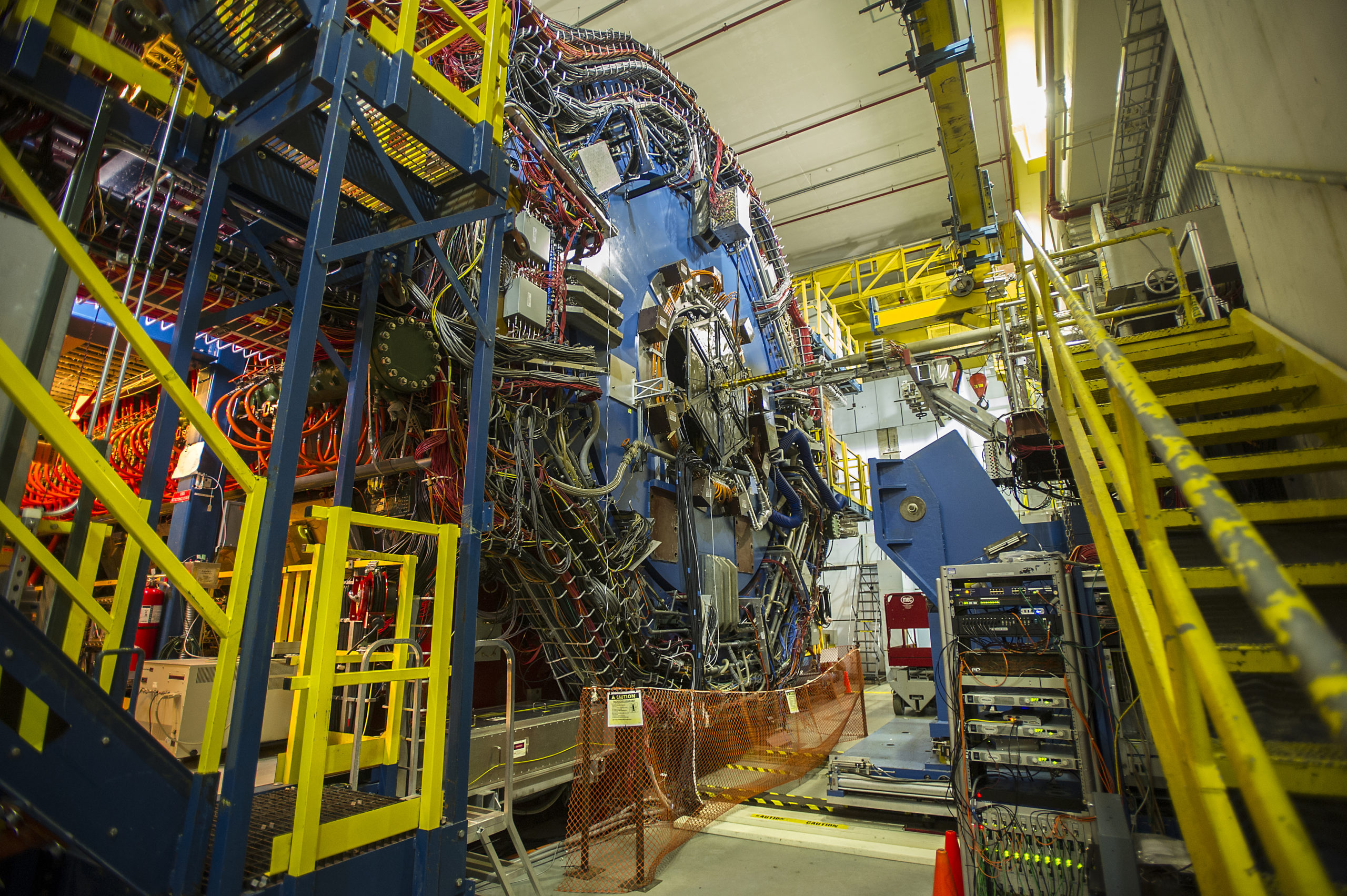
Image - The STAR detector at the U.S. Department of Energy's Brookhaven National Laboratory. (Credit: Brookhaven National Laboratory)

Solving a Genetic Mystery at the Heart of the COVID-19 Pandemic

Microscopy image of the SARS-CoV-2 virus

Assessing the Costs of Major Power Outages

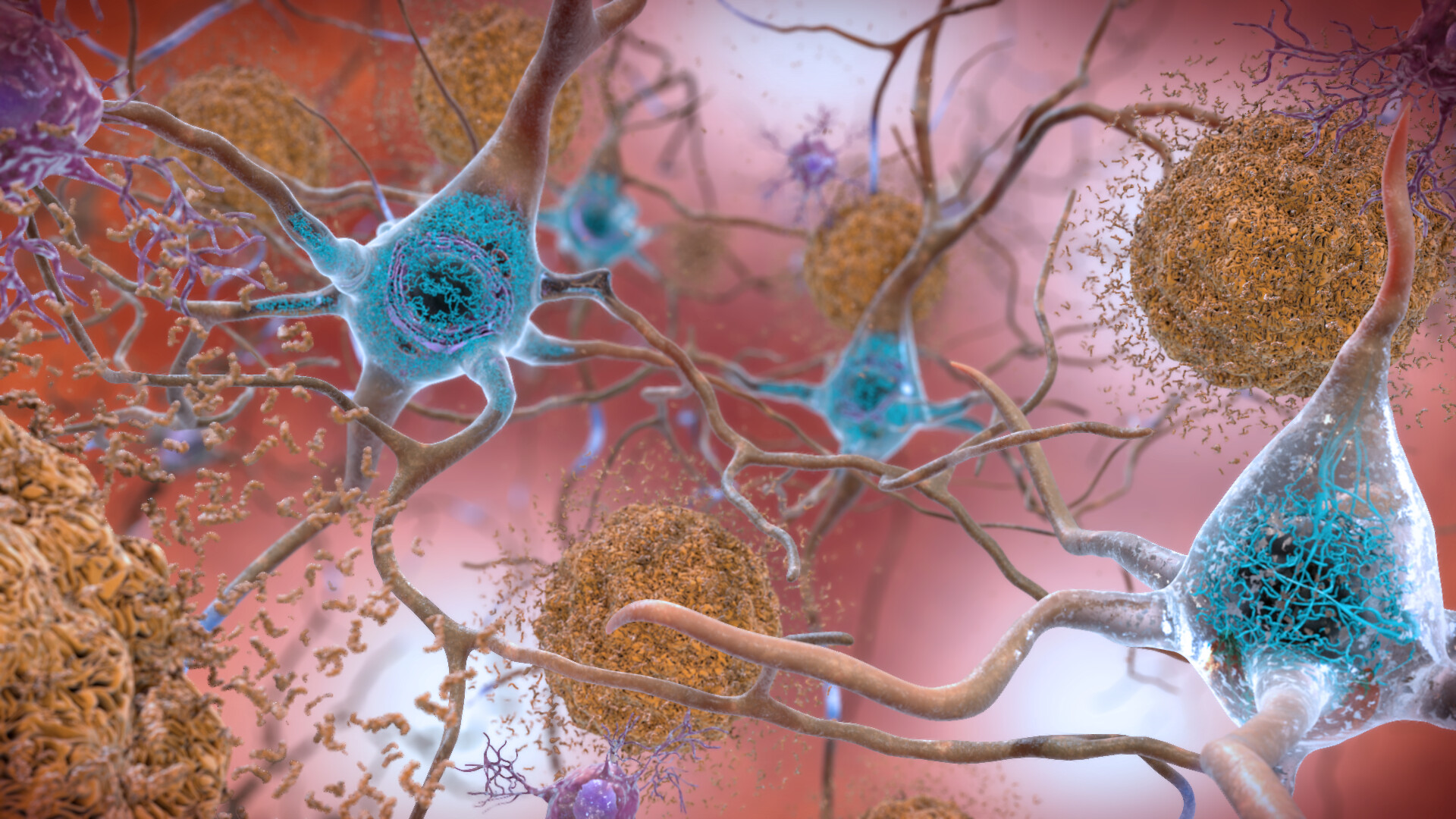
Location, Location, Location: Regional Tau Deposits in Healthy Elders Predict Alzheimer Disease
New Optical Antennas Could Overcome Data Limits
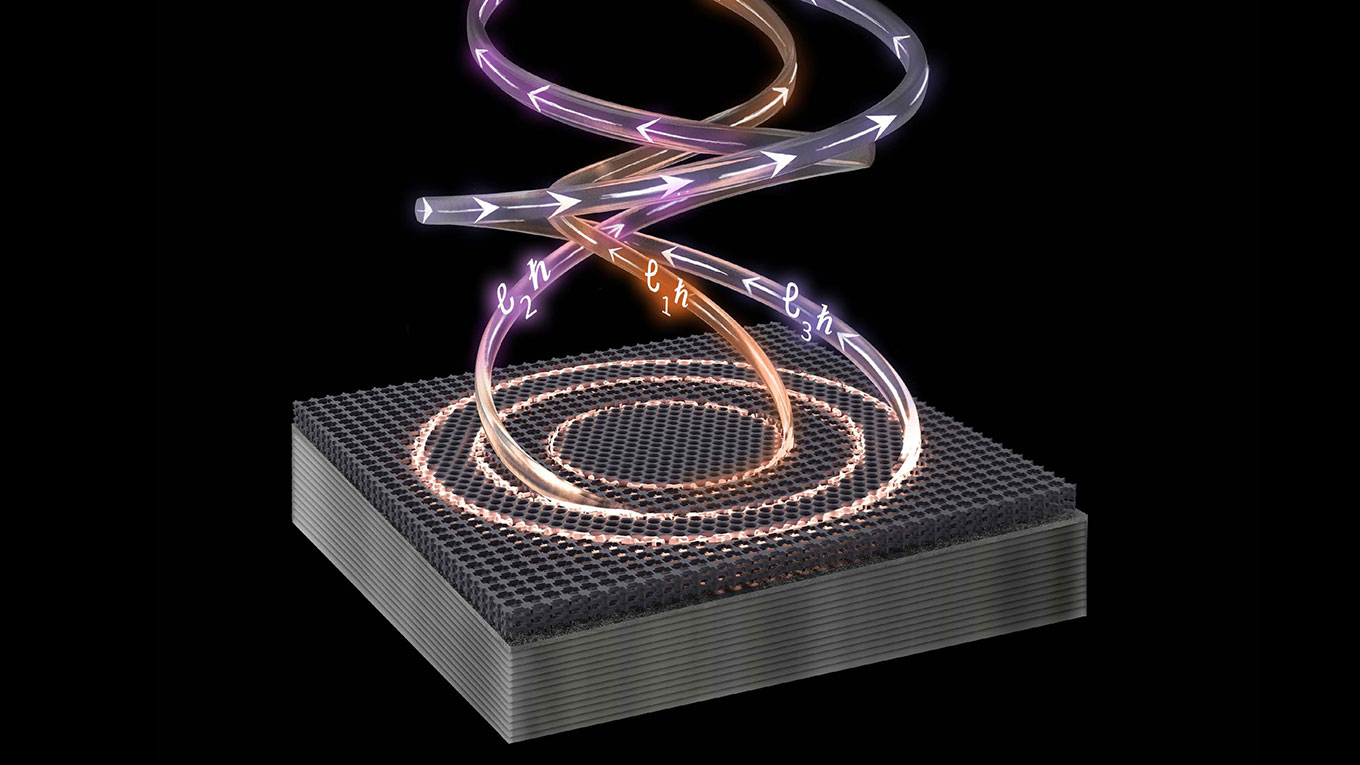
Topological Antenna