All News

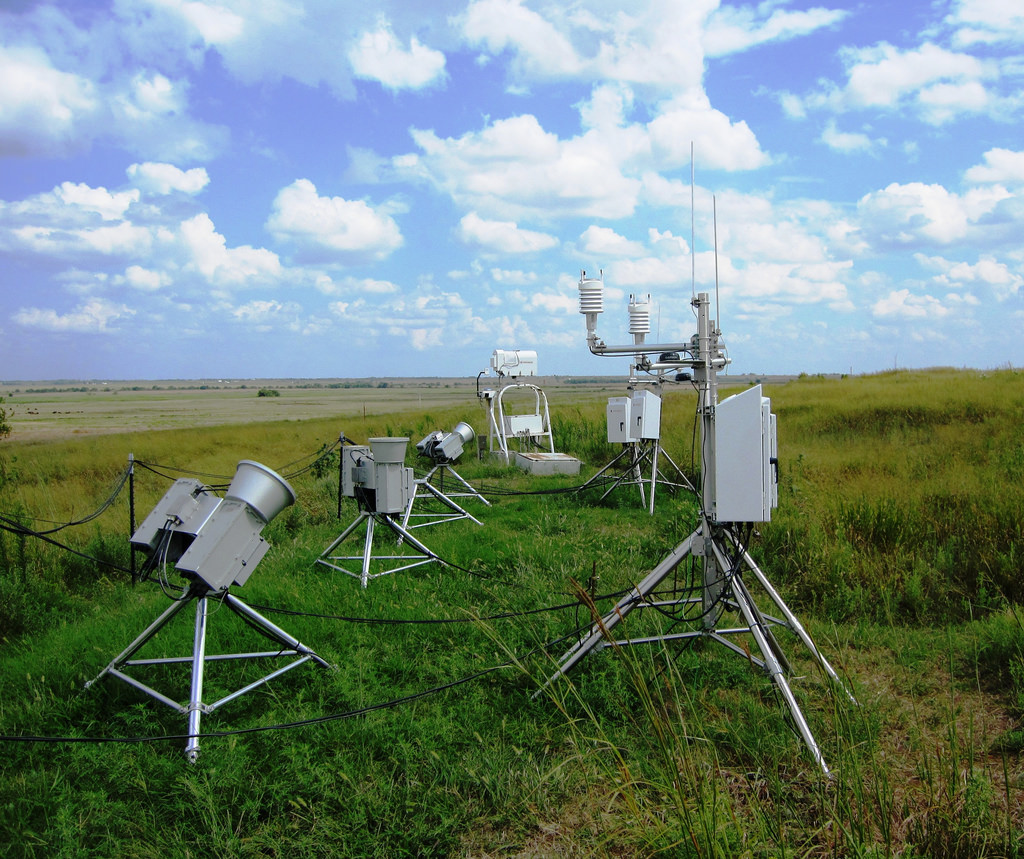
Understanding Effects of Climate Change on California Watersheds

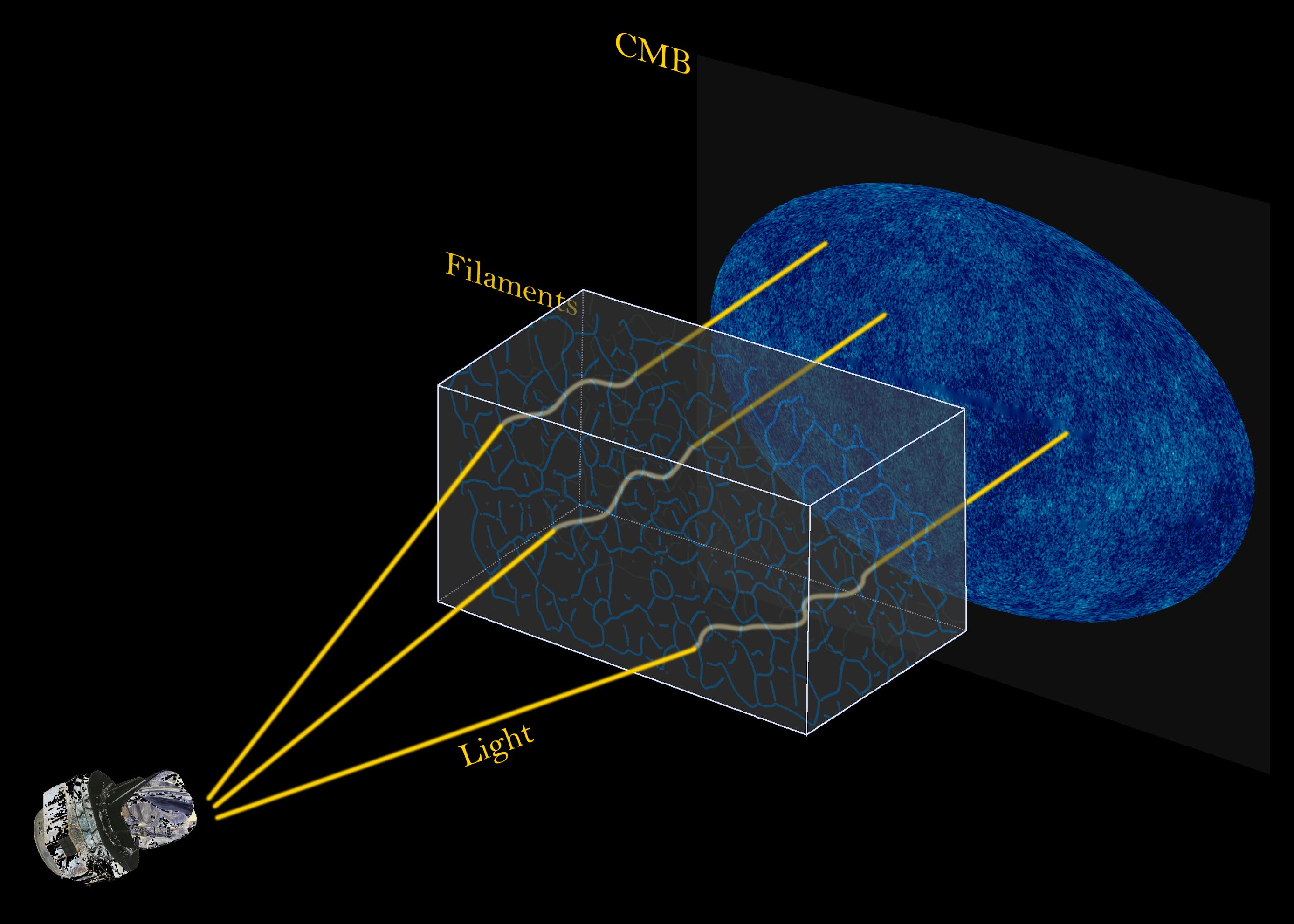
Beyond the WIMP: Unique Crystals Could Expand the Search for Dark Matter

Image - A computerized simulation of the large-scale distribution of dark matter in the universe. An overlay graph (in white) shows how a crystal sample intensely scintillates, or glows, when exposed to X-rays during a lab test. This and other properties could make it a good material for a dark matter detector. (Credit: Millennium Simulation, Berkeley Lab)

Berkeley Lab Aims for Big Breakthroughs in Water Technology

Diamonds From the Deep: Study Suggests Water May Exist in Earth’s Lower Mantle

Image - The molecular structure of ice-VII (upper right) is shown with an artistic rendering of the Earth and a cutaway view of the inner Earth (right). (Credit: Wikimedia Commons)

Digging Deep: Harnessing the Power of Soil Microbes for More Sustainable Farming

Calling All Photographers: Participate in Berkeley Lab’s Physics Photowalk Competition on May 16

Image collage - Berkeley Lab Physics Photowalk on May 16, 2018.

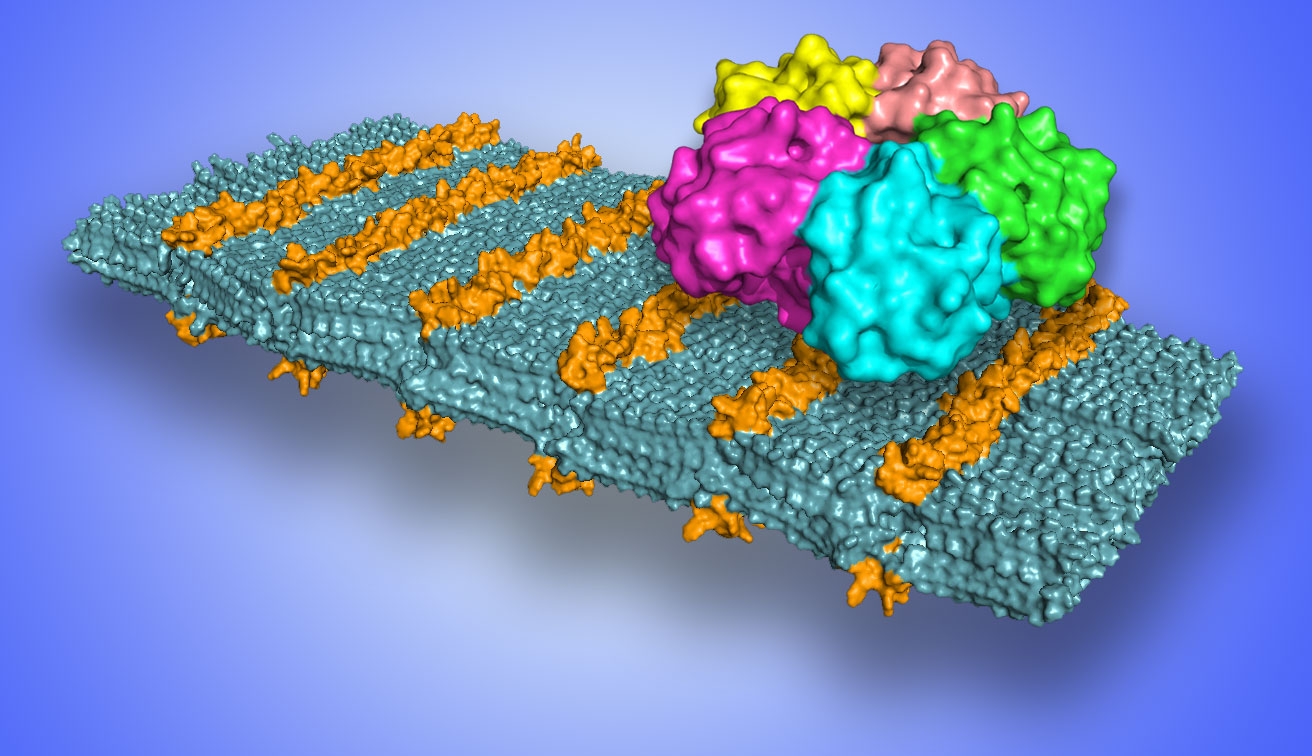
A Game Changer: Metagenomic Clustering Powered by Supercomputers

Image - Graph representation of biological data. (Credit: Georgios Pavlopoulos, JGI/Berkeley Lab)

Thirdhand Smoke Found to Increase Lung Cancer Risk in Mice

Mapping Battery Materials With Atomic Precision

Image - Atomic resolution scanning transmission electron microscopy images and electron diffraction patterns, arranged on a rendering of a battery, show how the structure of lithium-rich and manganese-rich transition metal oxides used inside battery cathodes changes with composition. The images also show how the surface of the cathode has a different structure than the interior. (Credit: Berkeley Lab)

Teaching Computers to Guide Science: New Machine Learning Method Sees the Forests and the Trees

Chemical Sleuthing Unravels Possible Path to the Formation of Life’s Building Blocks in Space

Image - The atomic structure of pyrene molecules (upper left and upper right) are represented in an artist's rendering of an asteroid belt. A new study shows chemical steps for how pyrene, a type of hydrocarbon found in some meteorite samples, could form in space. (Credit: NASA-JPL-Caltech, Wikimedia Commons)

Assessing the Impact of Hurricanes on Puerto Rico’s Forests