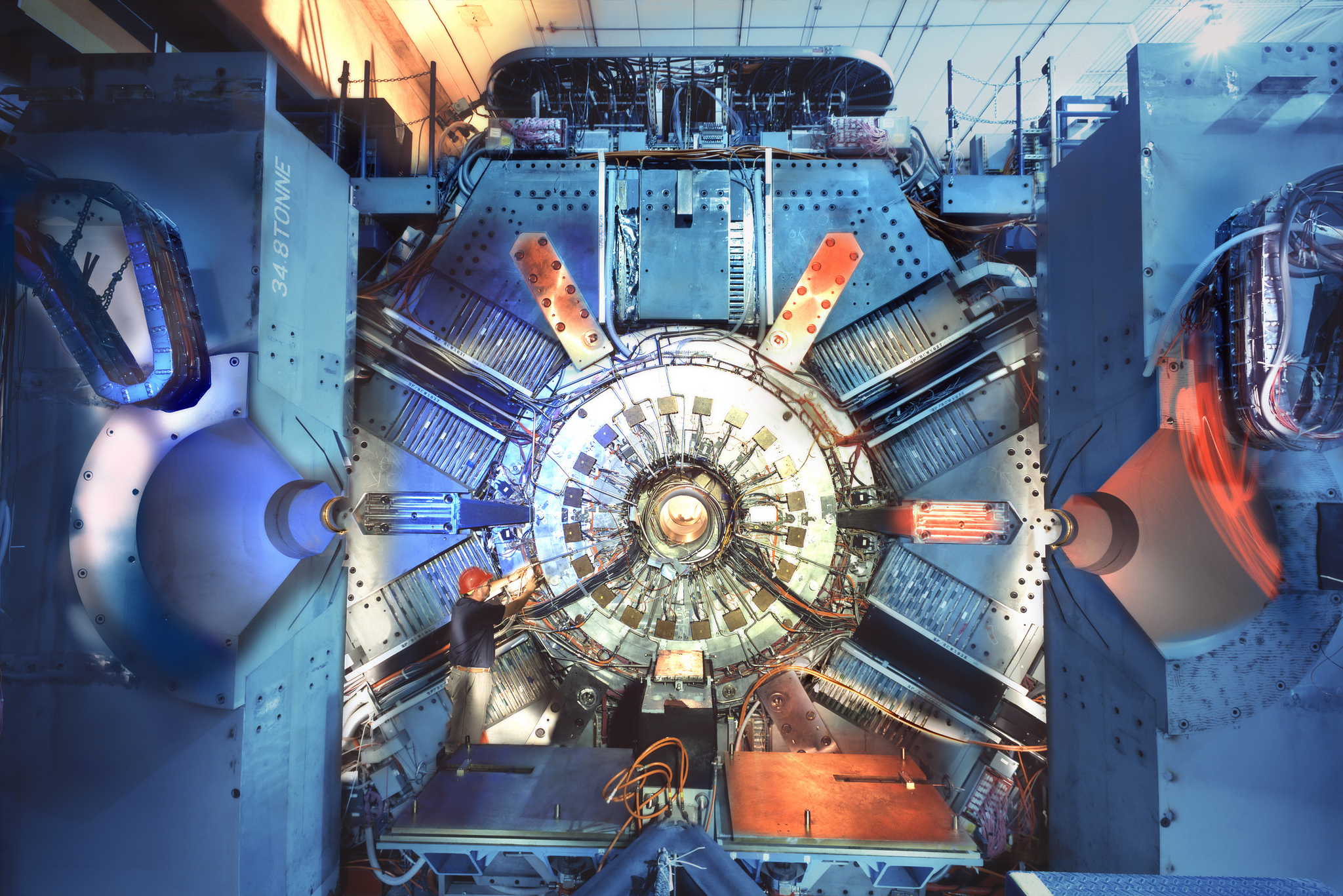
New Study: Scientists Narrow Down the Search for Dark Photons Using Decade-Old Particle Collider Data
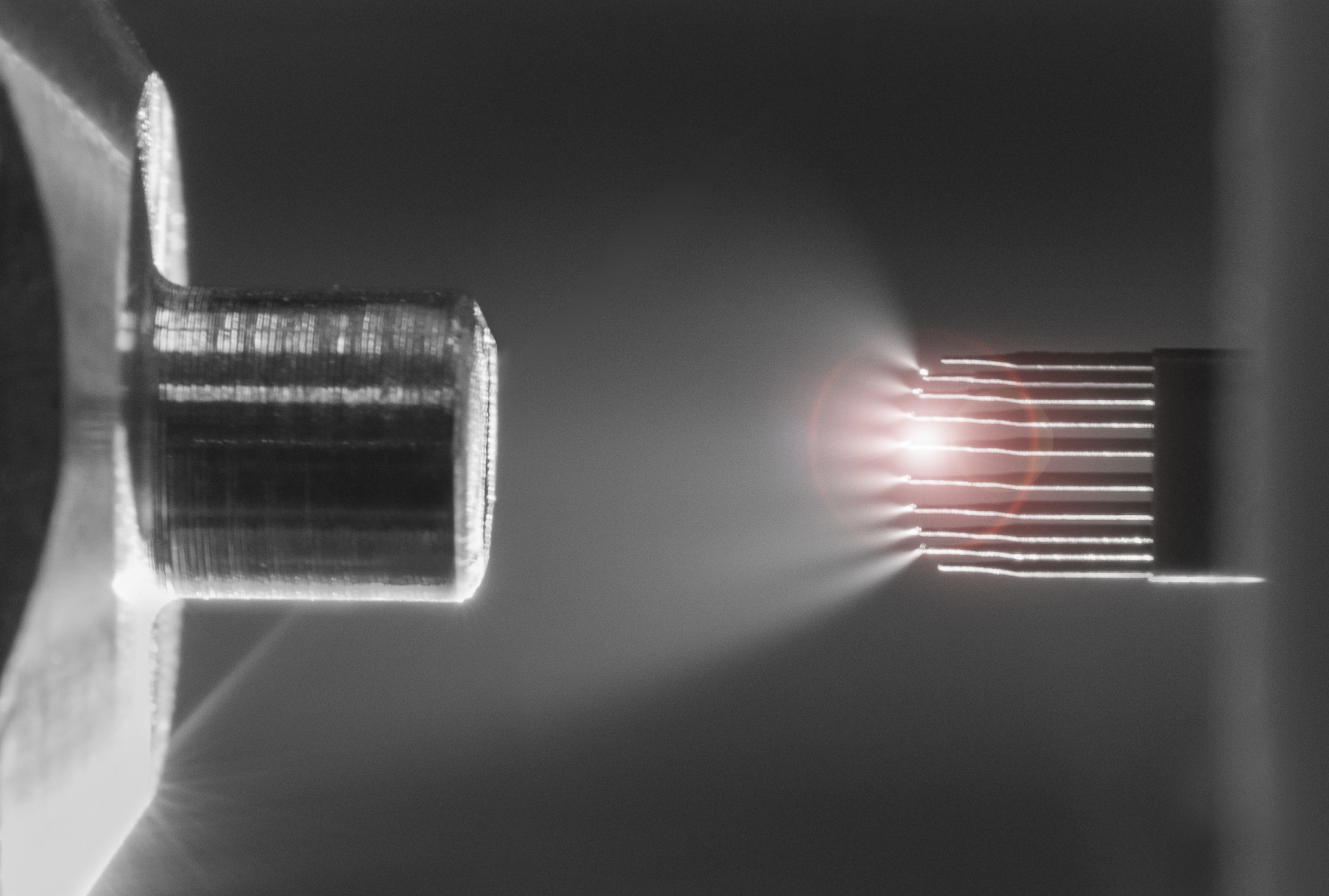
Scientists Harness Ultrafast Magnetism for Low-Power Memory
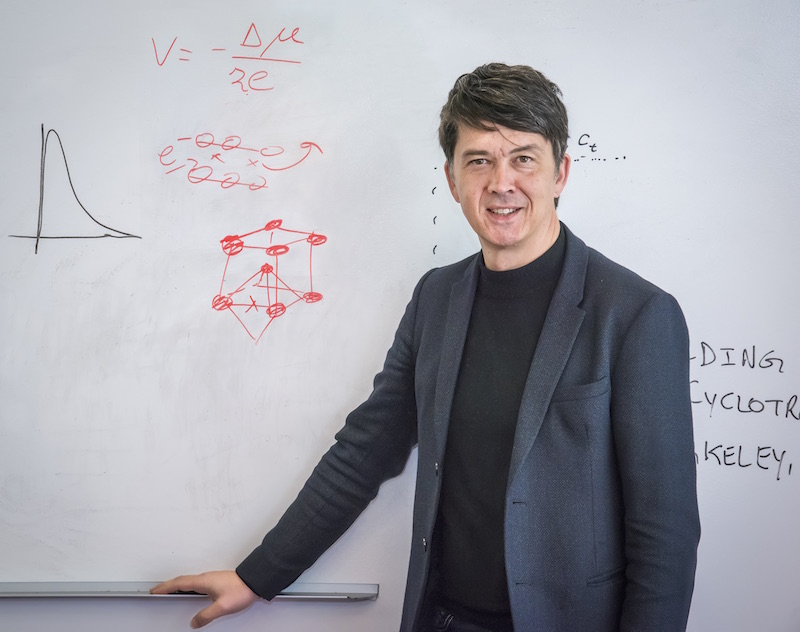
Berkeley Lab Researchers Help Map the Microbiome of Everything

New Studies on Disordered Cathodes May Provide Much-Needed Jolt to Lithium Batteries
Genome Research Challenges Previous Understanding of the Origin of Photosynthesis

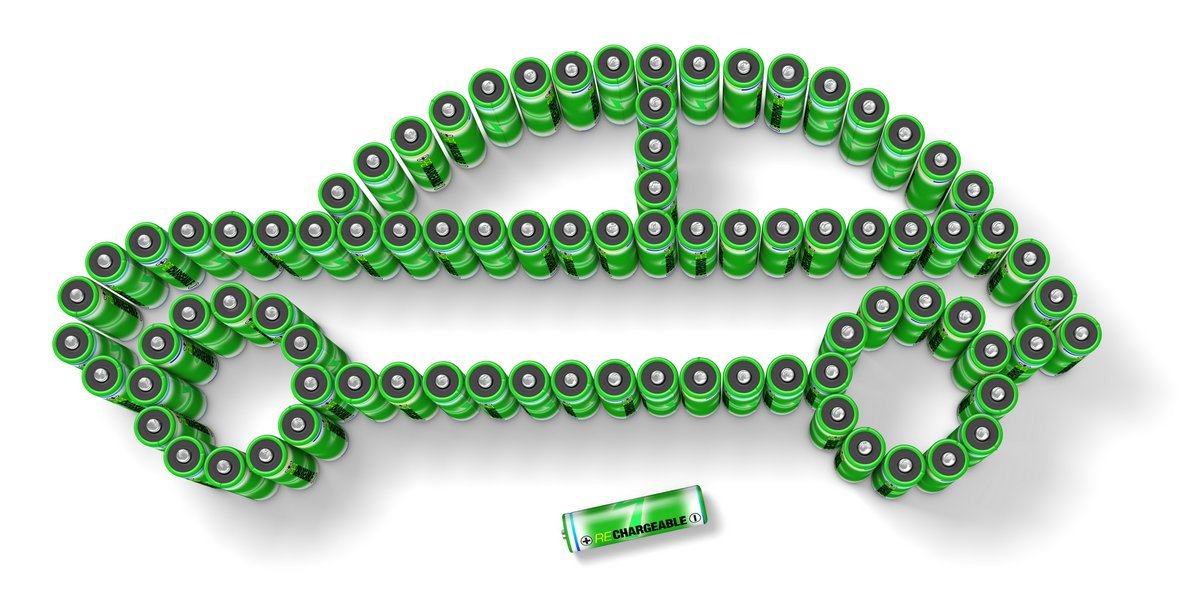
Berkeley Lab and Hydro-Québec Announce Partnership for Transportation Electrification and Energy Storage

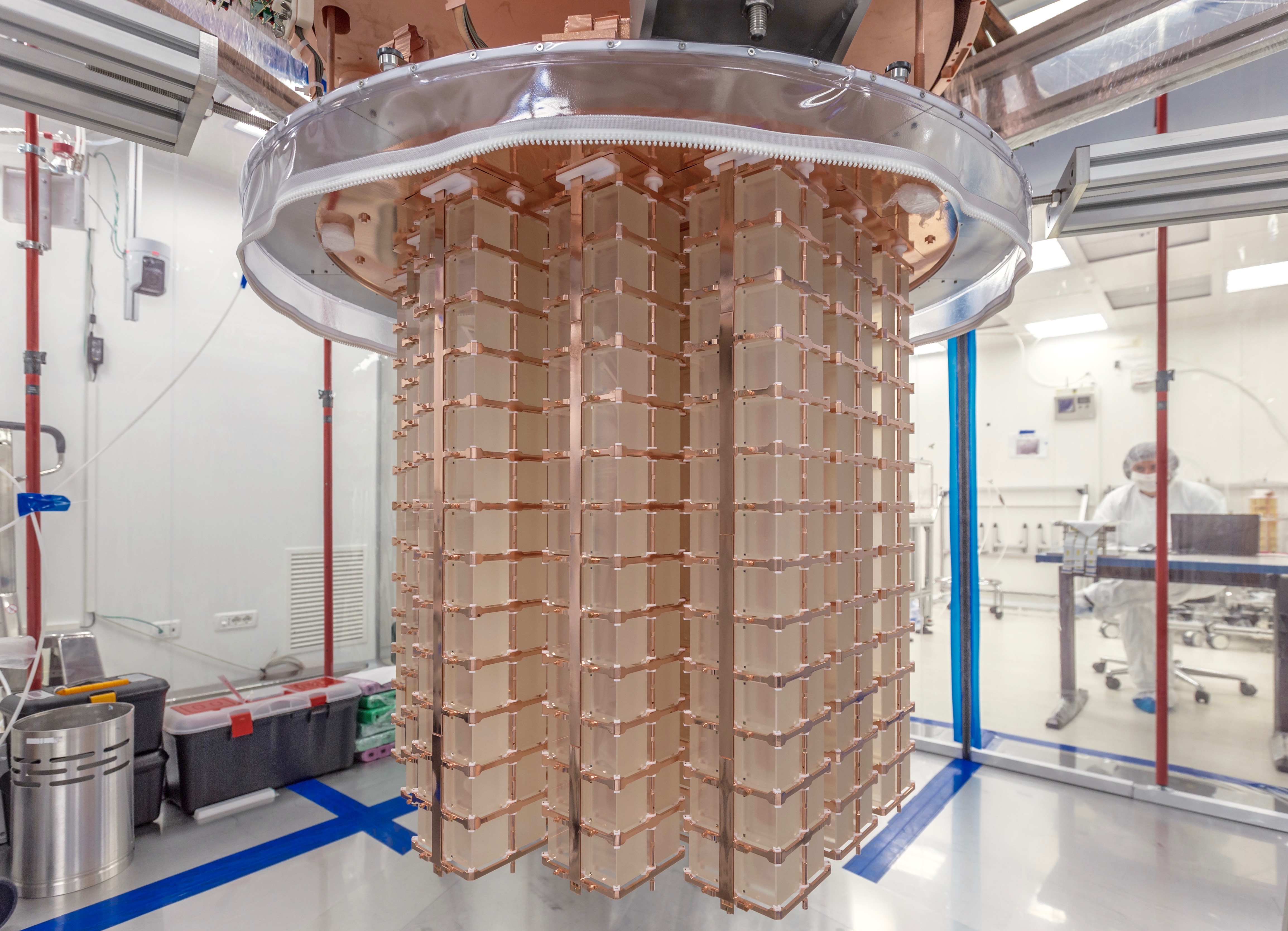
Experiment Provides Deeper Look into the Nature of Neutrinos
Cool Roofs Have Water Saving Benefits Too

Scientists Solve a Magnesium Mystery in Rechargeable Battery Performance
Screening for Disease or Toxins in a Drop of Blood
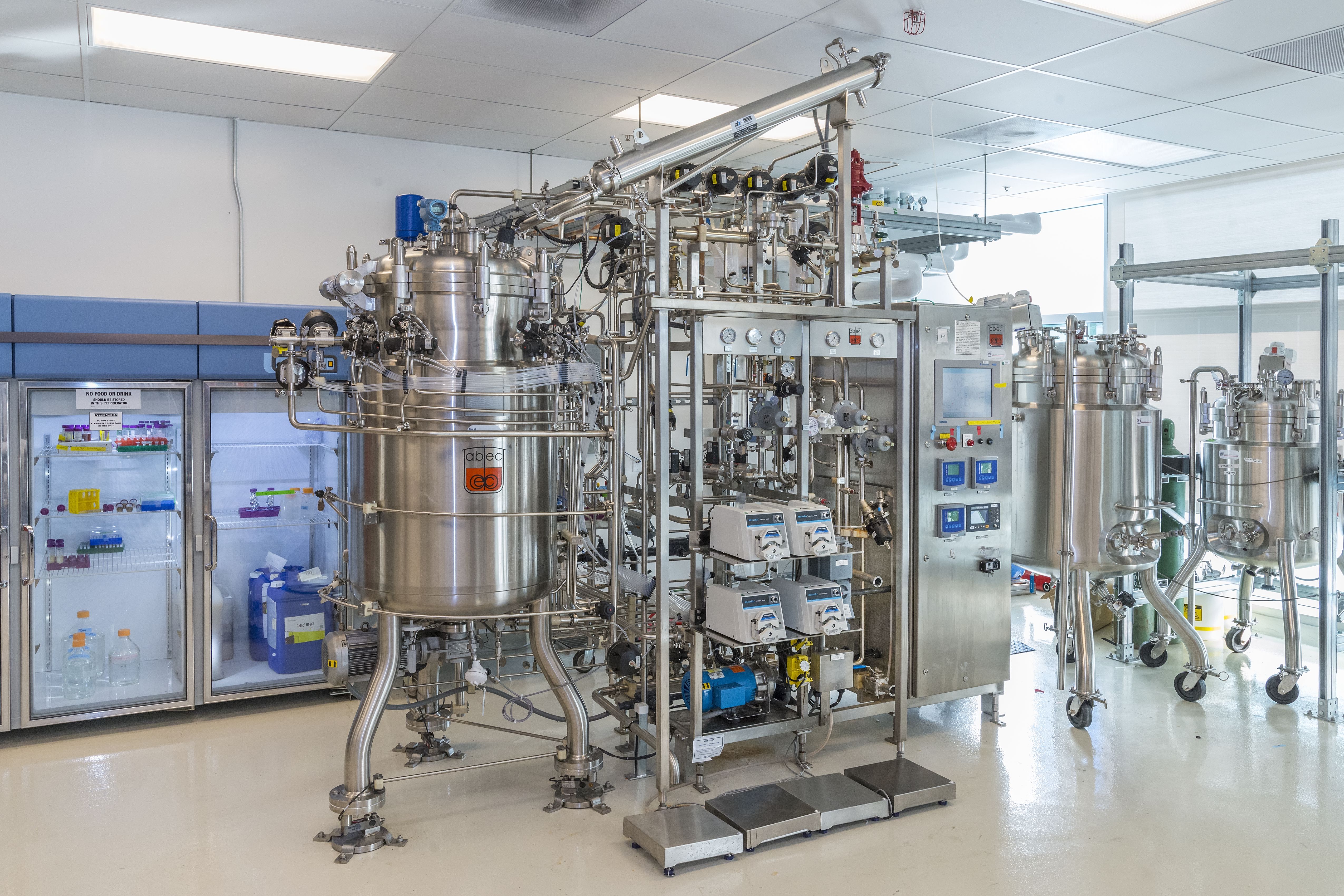
Beyond Biofuels: Berkeley Lab Facility a Catalyst for Broader Bio-based Economy
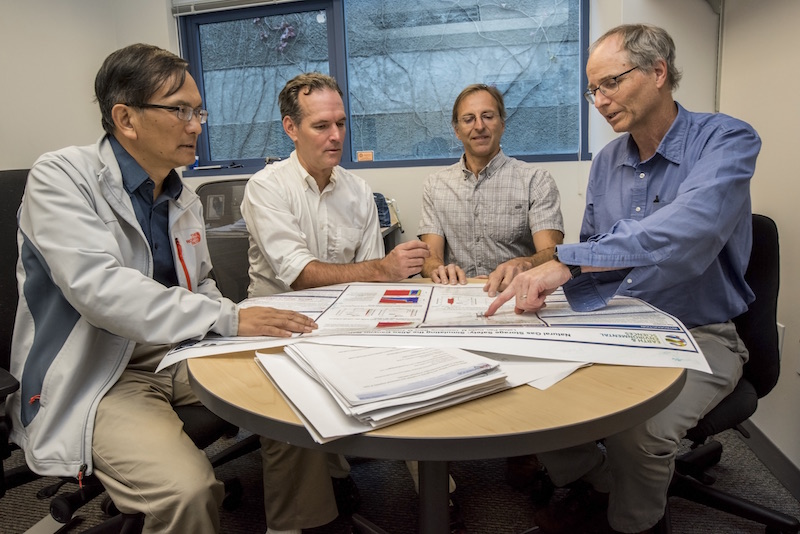
The Puzzle to Plugging the Worst Natural Gas Release in History