All News

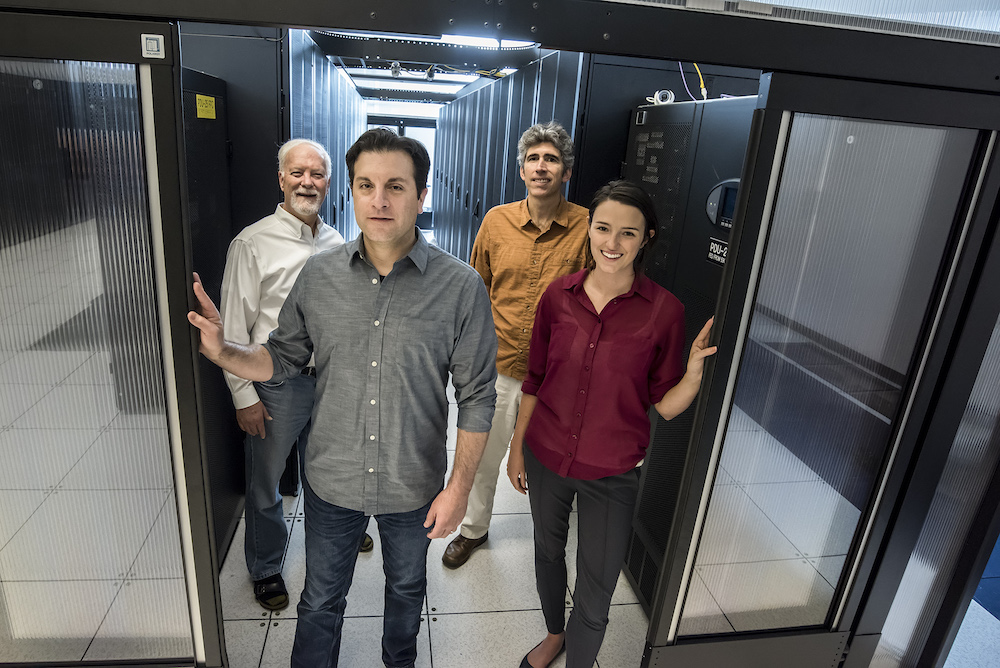
Data Centers Continue to Proliferate While Their Energy Use Plateaus
Berkeley Lab’s Art Rosenfeld Recognized with Tang Prize for Sustainable Development

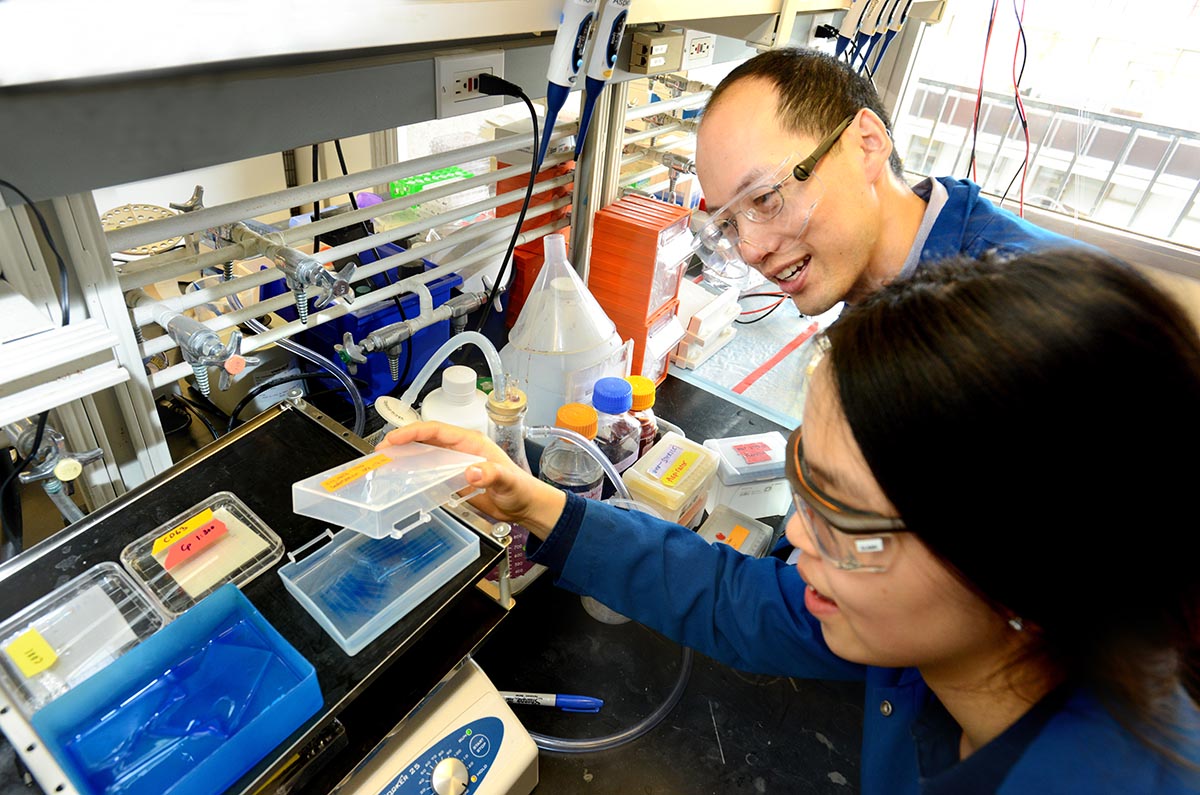
On the Path Toward Bionic Enzymes

Researchers Gear Up Galaxy-seeking Robots for a Test Run
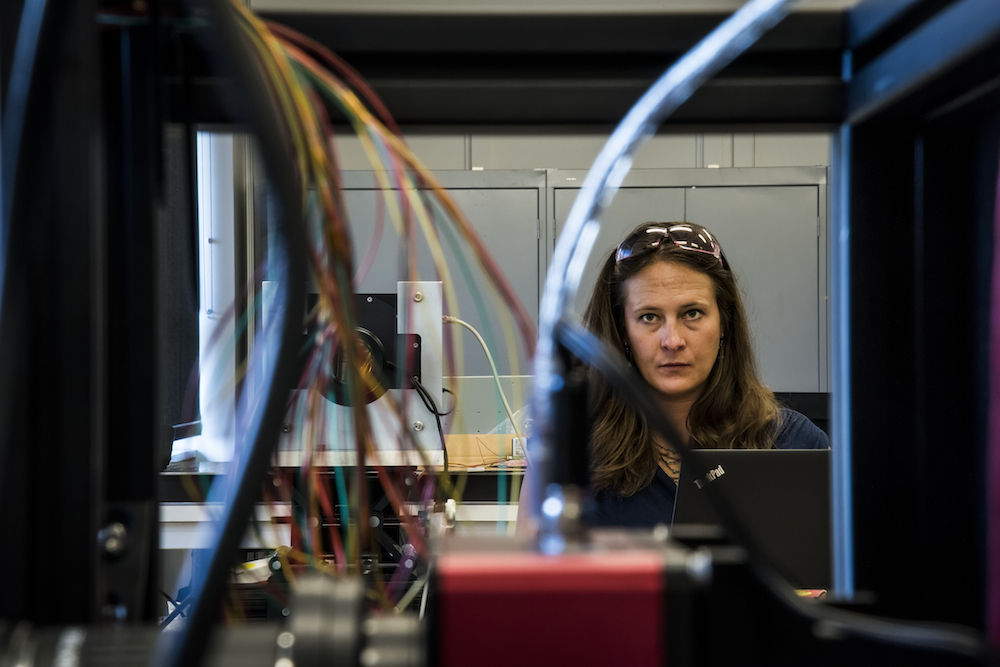
Photo - Parker Fagrelius inspects ProtoDESI, a prototype system for the Dark Energy Spectroscopic Instrument. ProtoDESI will be tested at the Mayall Telescope in Arizona in August and September. (Paul Mueller/Berkeley Lab)

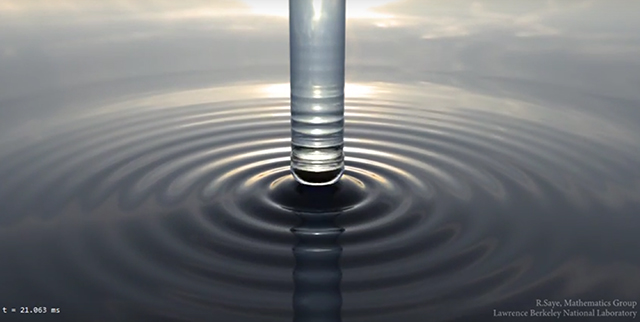
New Mathematics Accurately Captures Liquids and Surfaces Moving in Synergy
Massive Trove of Battery and Molecule Data Released to Public

New Chemical ‘Sponges’ Designed to Soak Up Toxic Cancer-fighting Drugs After Targeting Tumors
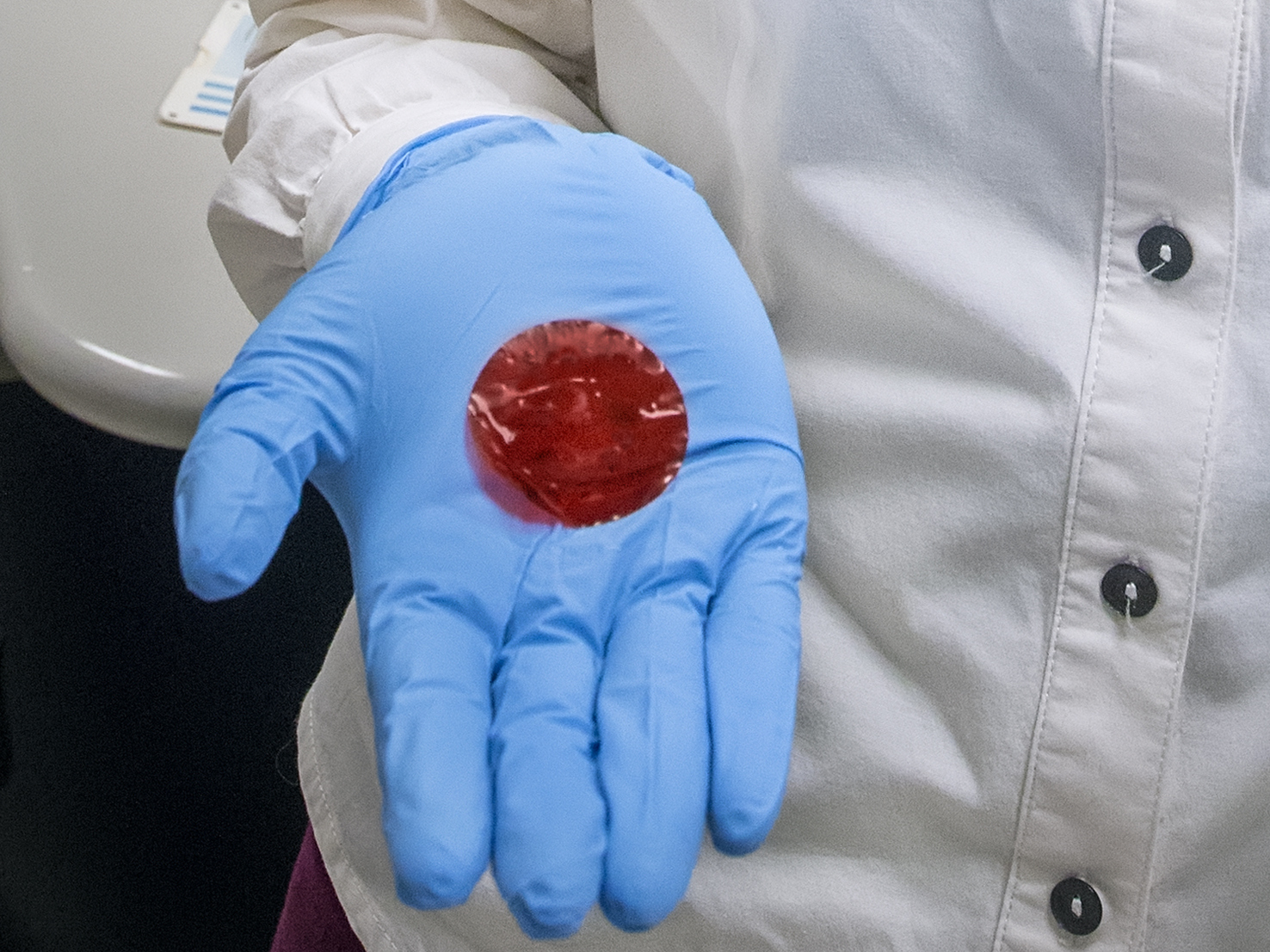
Photo - A close-up view of a sample of a polymer-based membrane material created at Berkeley Lab. The material, which originally had a light-yellow hue, turned red after soaking up a chemotherapy drug. (Credit: Roy Kaltschmidt/Berkeley Lab)

Copper is Key in Burning Fat

New Path Forward for Next-Generation Lithium-Ion Batteries
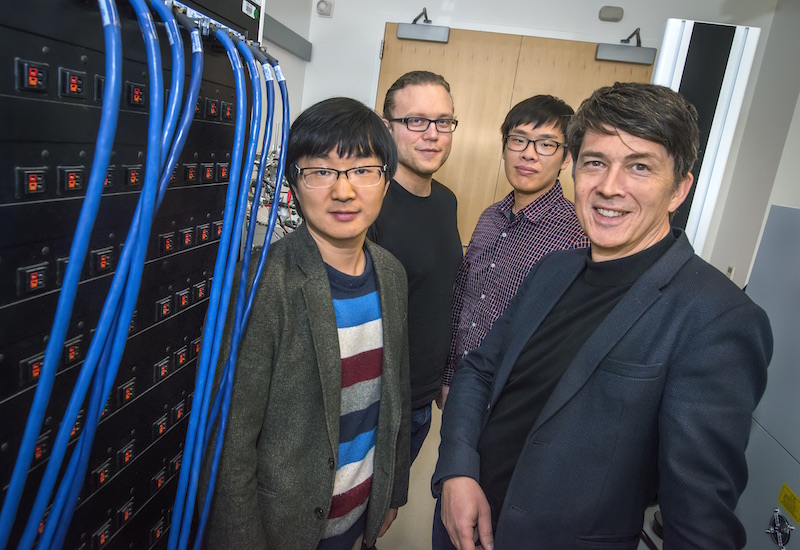
Four researchers standing next to a supercomputer.

Radiation 101: DoseNet Delivers Environmental Data as an Educational Tool
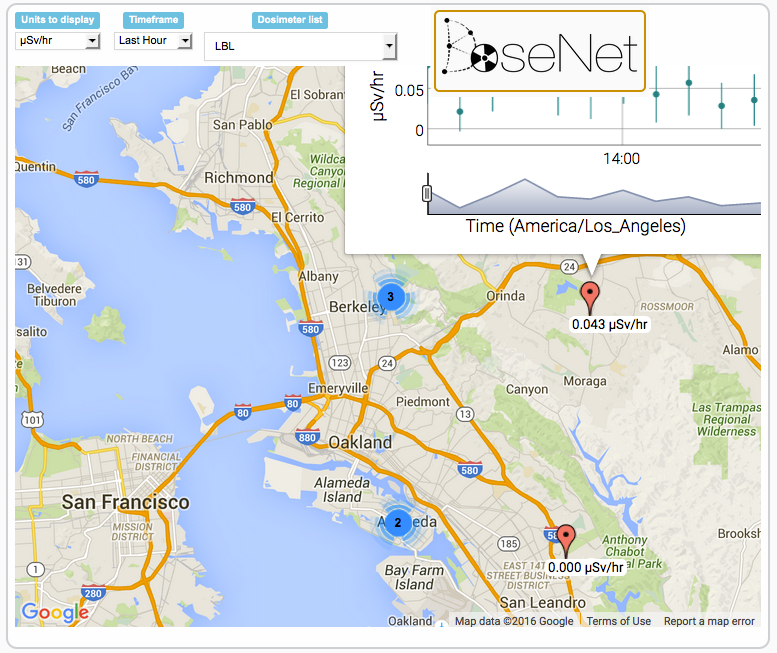
Screenshot - A DoseNet interactive map screenshot showing San Francisco-area monitoring locations. (Credit: Berkeley Lab)

Hunting for Dark Matter’s ‘Hidden Valley’
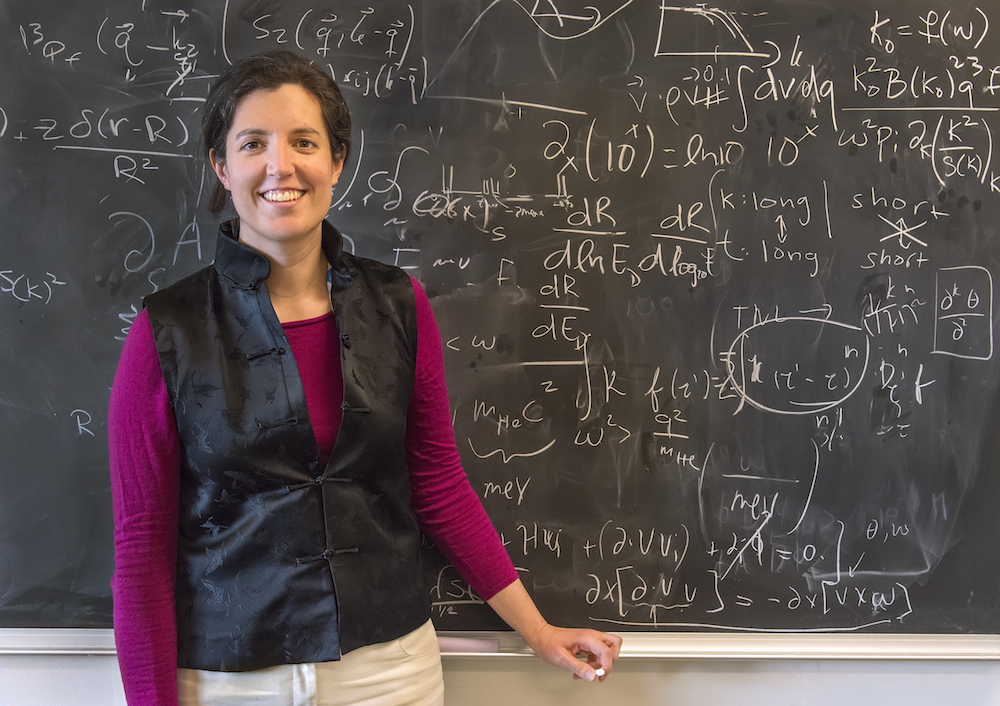
Photo - Kathryn Zurek (Credit: Roy Kaltschmidt/Berkeley Lab)

3 Knowns and 3 Unknowns about Dark Matter
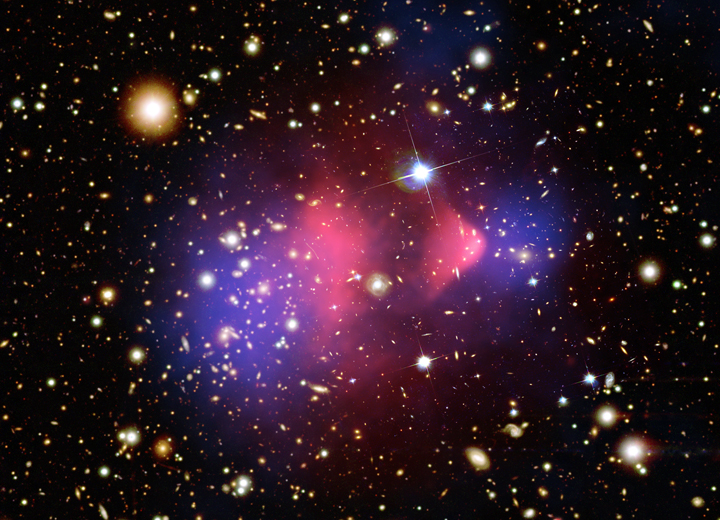
Image - A composite image of the "bullet cluster," a galaxy cluster formed by a collision of two clusters. The pink clumps show hot gas containing most of the normal matter, while the two blue clumps reveal where most of the mass in the clusters is actually contained. This provides evidence for dark matter since most of the mass was expected to be concentrated around the pink areas. (Credit: X-ray image by NASA/CXC/M.Markevitch et al.; optical image by NASA/STScI, Magellan/U.Arizona/D.Clowe et al.; lensing map image by NASA/STScI, ESO WFI, Magellan/U.Arizona/D.Clowe et al.)