
All News

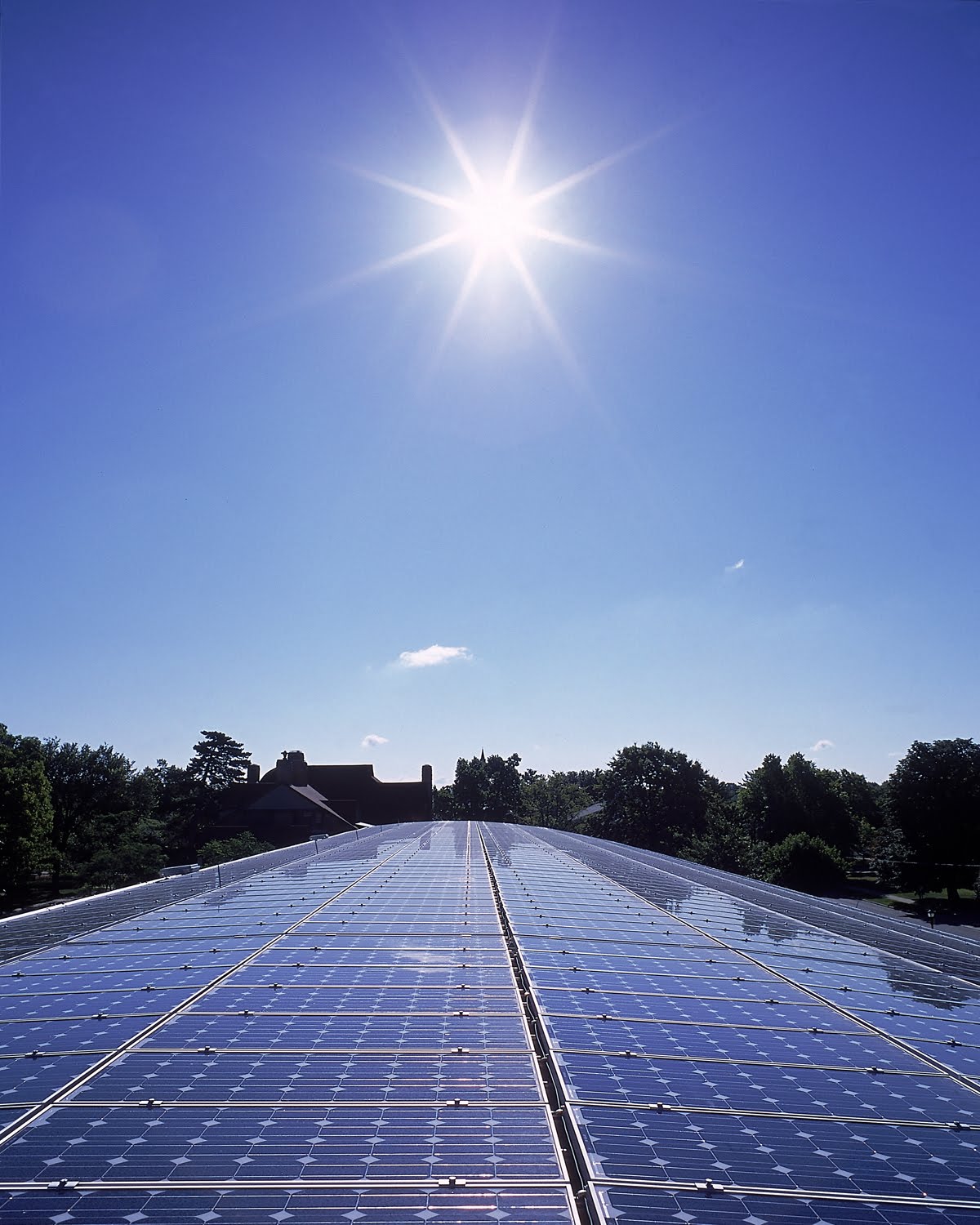
Existing State Laws Collectively Require a 50% Increase in U.S. Renewable Electricity
Construction Begins on Major Upgrade to World’s Brightest X-ray Laser
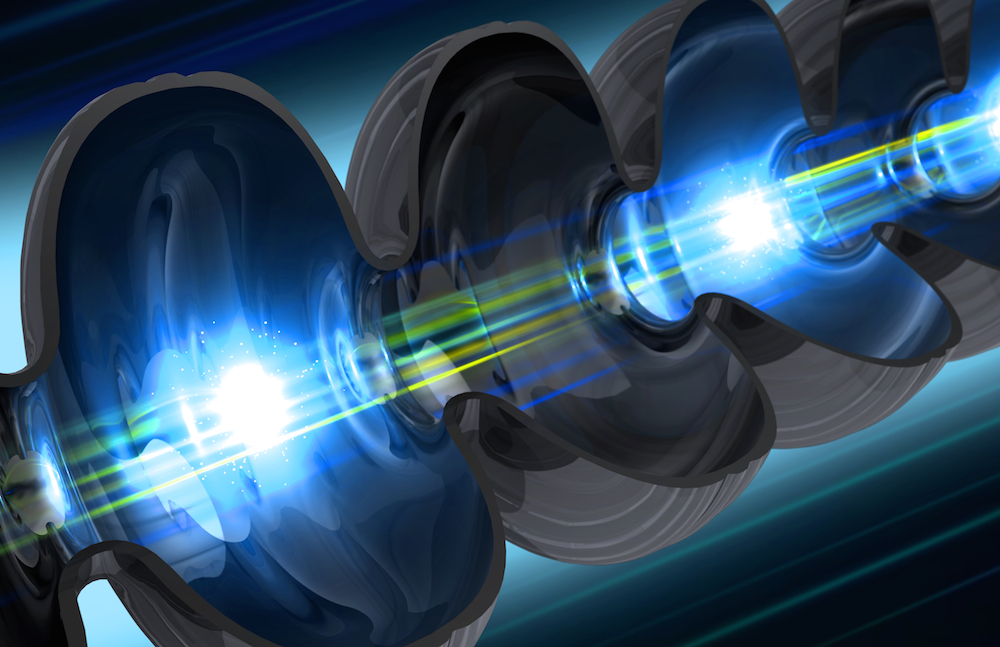
Image - An electron beam travels through a niobium cavity, a key component of a future LCLS-II X-ray laser, in this illustration. Kept at minus 456 degrees Fahrenheit, these cavities will power a highly energetic electron beam that will create up to 1 million X-ray flashes per second. (Credit: SLAC National Accelerator Laboratory)

Berkeley Lab Working on Key Components for LCLS-II X-ray Lasers
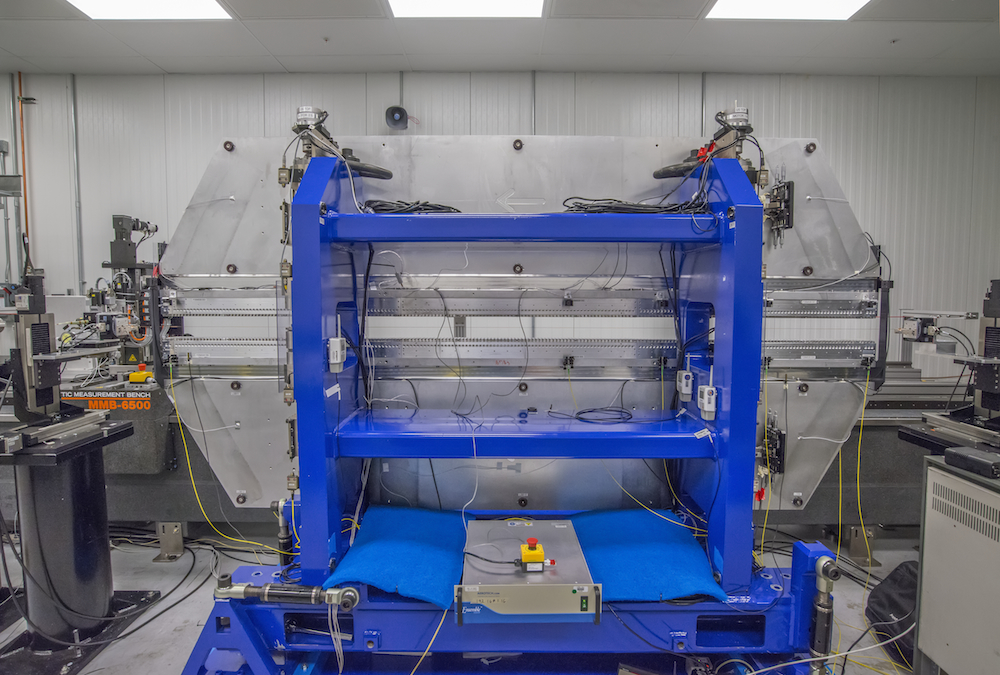
Image - A prototype LCLS-II undulator, which is designed to wiggle electrons so that they emit brilliant X-ray light, undergoes magnetic measurements testing at Berkeley Lab. (Credit: Roy Kaltschmidt/Berkeley Lab)

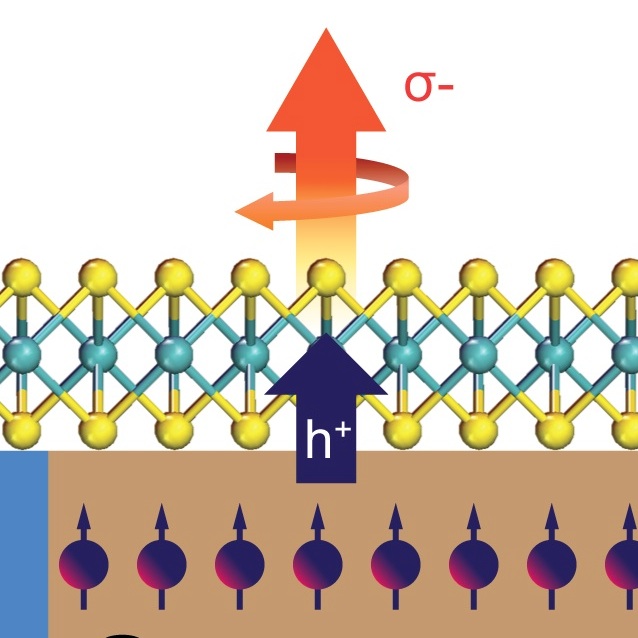
Scientists Push Valleytronics One Step Closer to Reality
From Near-Dropout to PhD, Berkeley Lab Scientist Now at Forefront of Biofuels Revolution

Revealing the Fluctuations of Flexible DNA in 3-D
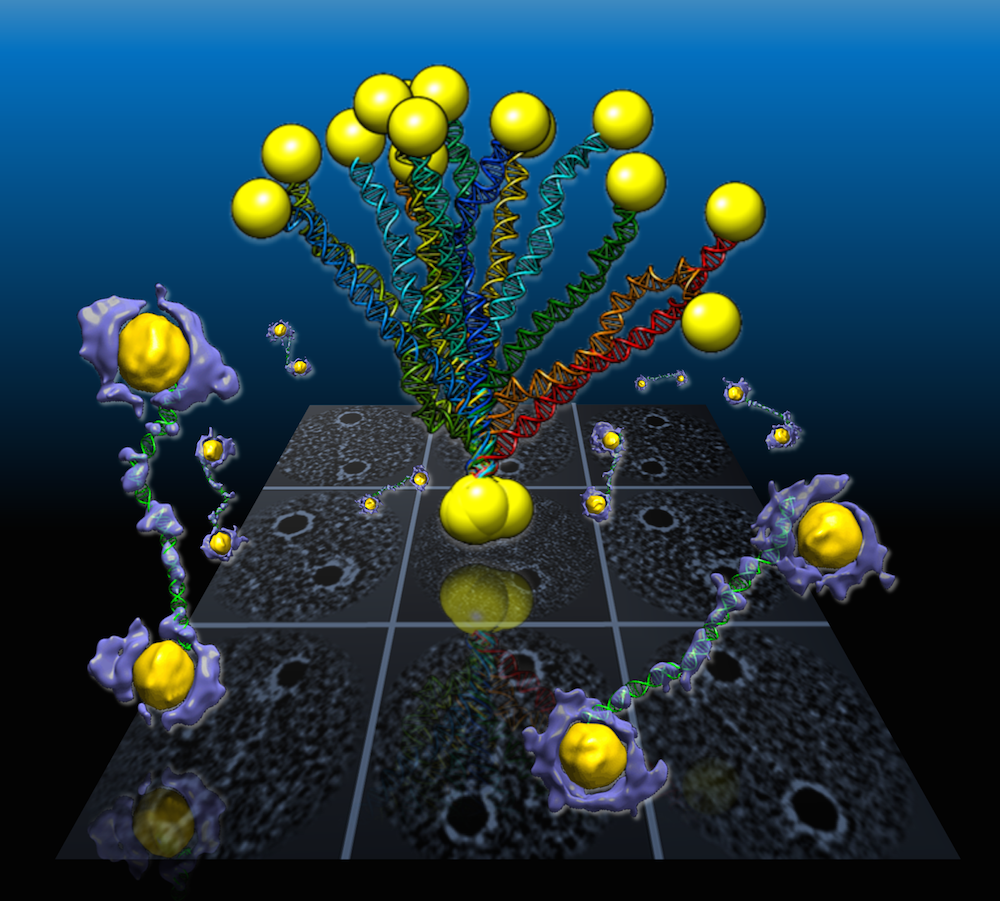
Illustration: In a Berkeley Lab-led study, flexible double-helix DNA segments connected to gold nanoparticles are revealed from the 3-D density maps (purple and yellow) reconstructed from individual samples using a Berkeley Lab-developed technique called individual-particle electron tomography or IPET. Projections of the structures are shown in the background grid. (Credit: Berkeley Lab)

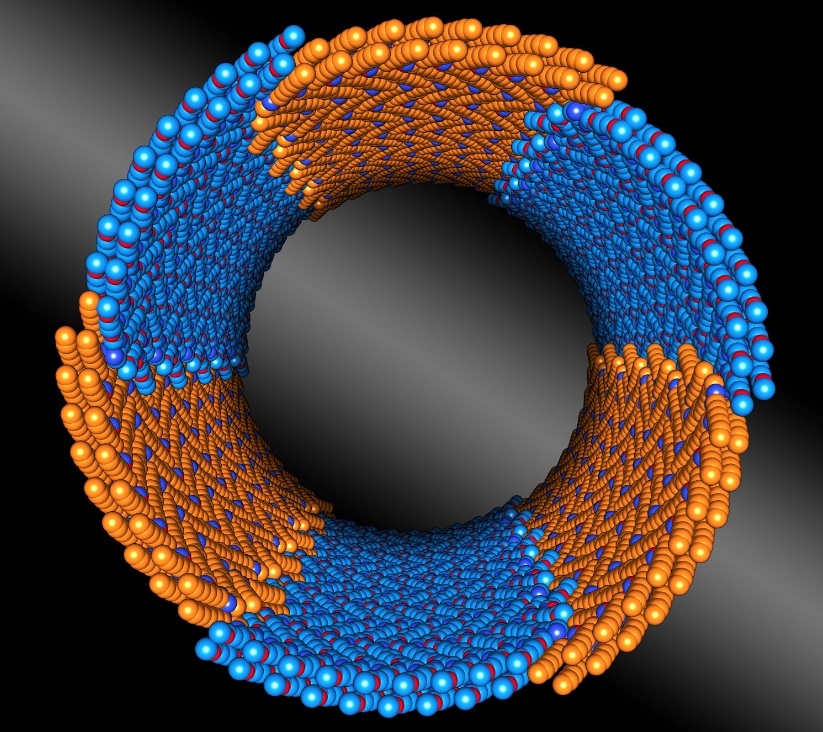
Nature-Inspired Nanotubes That Assemble Themselves, With Precision
Scientists Part the Clouds on How Droplets Form
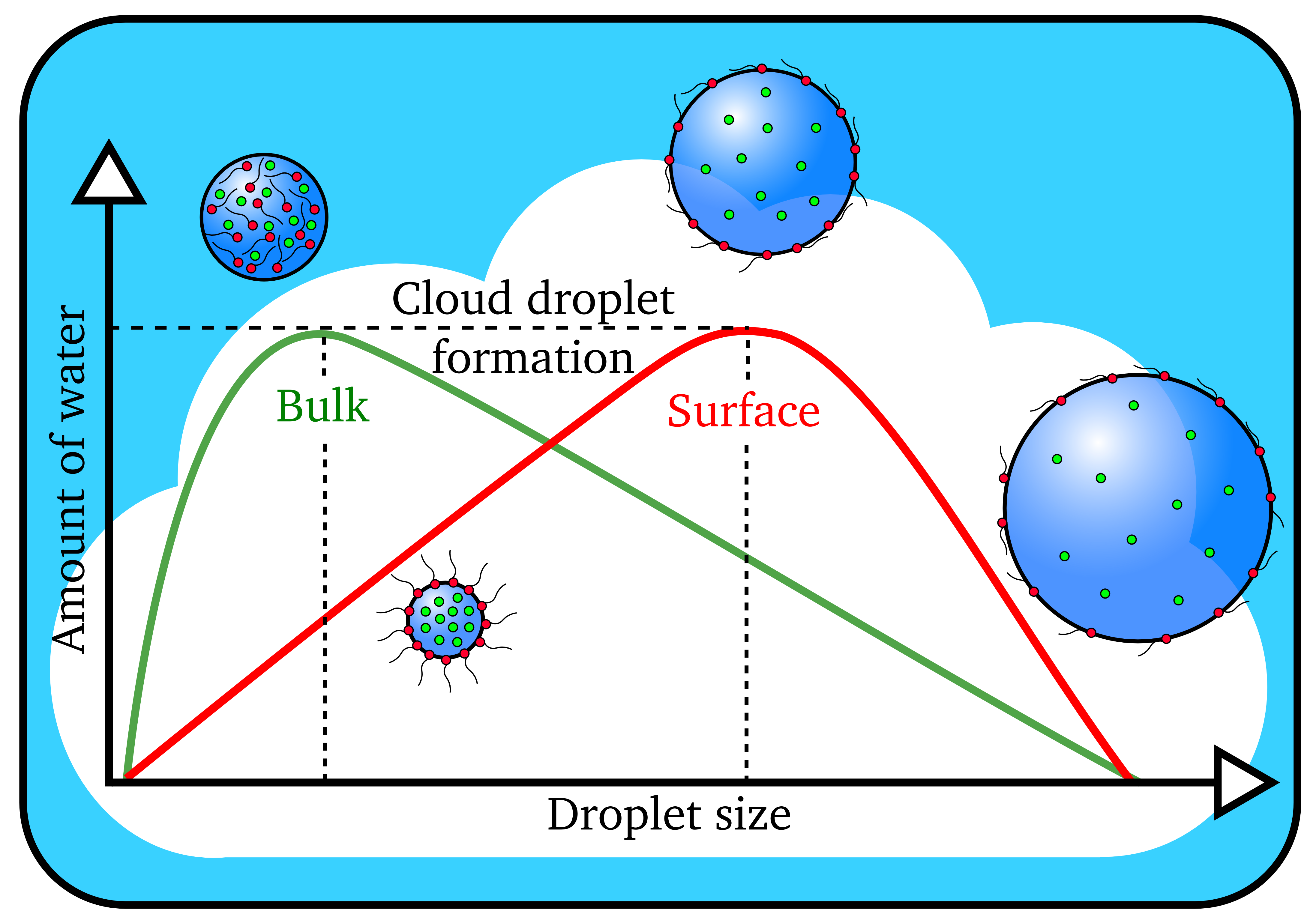
Schematic of cloud formation

Unlocking the Secrets of Gene Expression

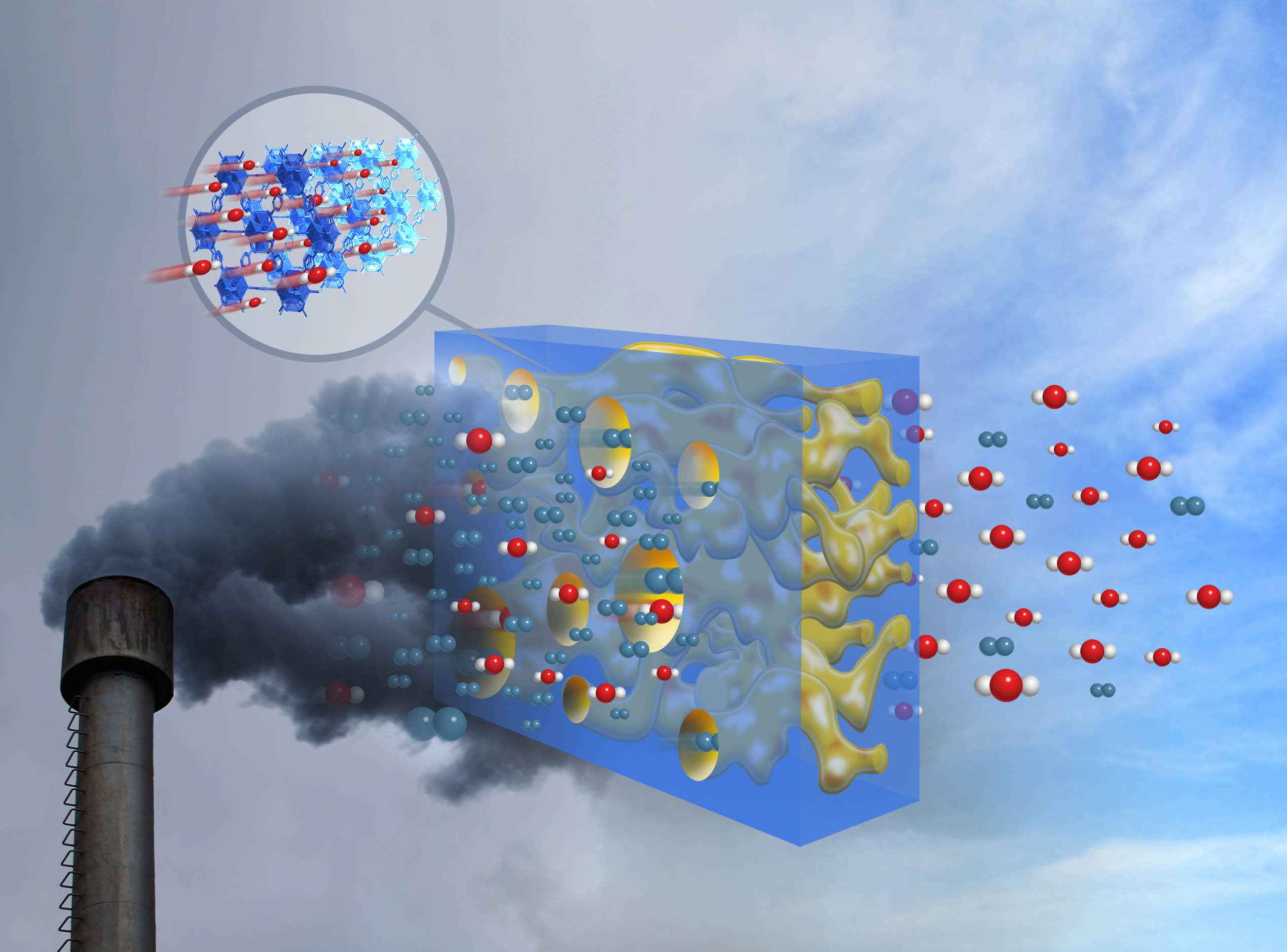
New Carbon Capture Membrane Boasts CO2 Highways
‘Disruptive Device’ Brings Xenon-NMR to Fragile Materials
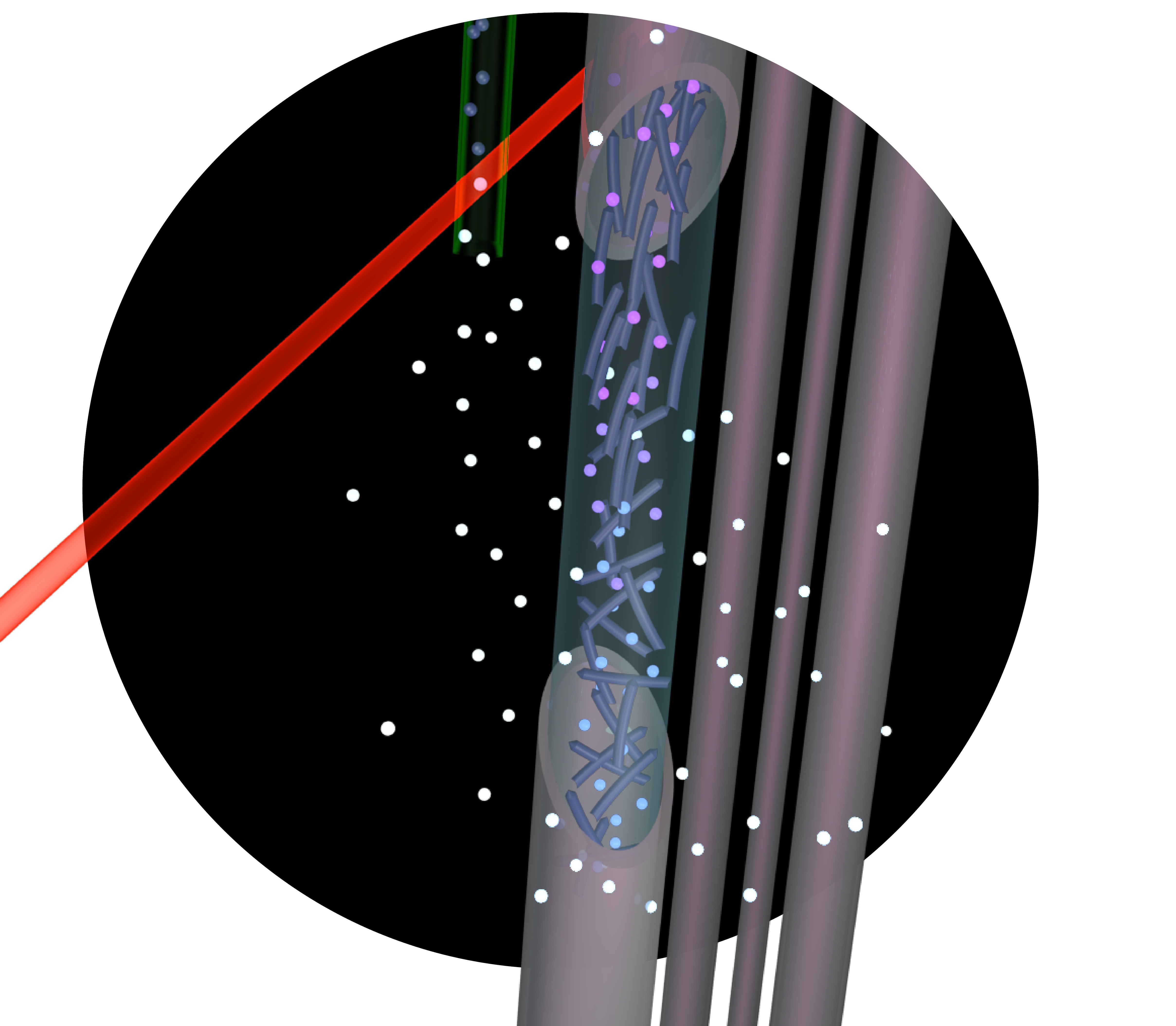
New Fuel Cell Design Powered by Graphene-wrapped Nanocrystals
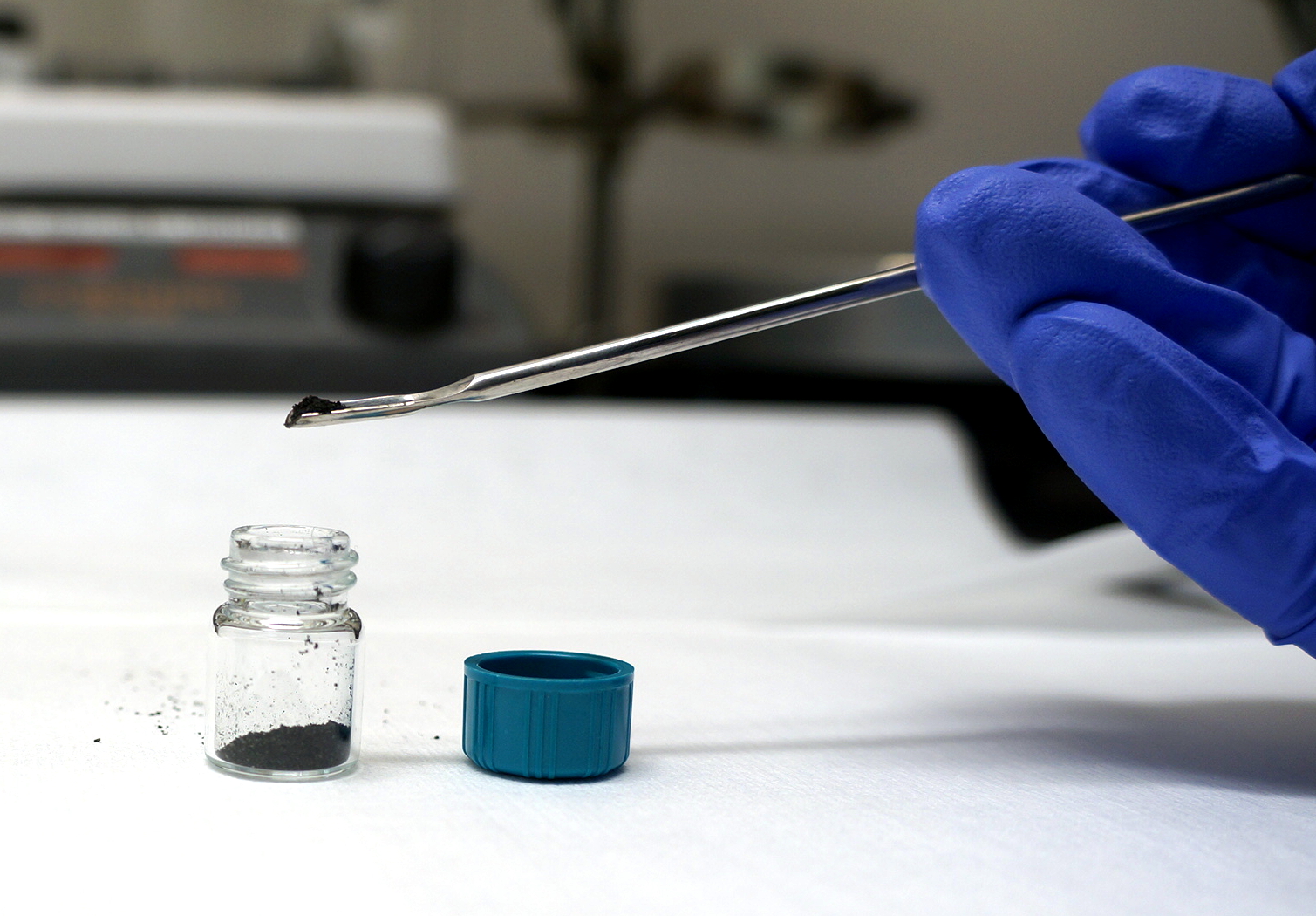
Photo - A powdery mixture of graphene-wrapped magnesium nanocrystals, produced at Berkeley Lab, is stable in air. The mixture's energy properties show promise for use in hydrogen fuel cells. (Eun Seon Cho/Berkeley Lab)