
All News

Uncovering Novel Genomes from Earth’s Microbiomes

Microbe “Rewiring” Technique Promises a Boom in Biomanufacturing
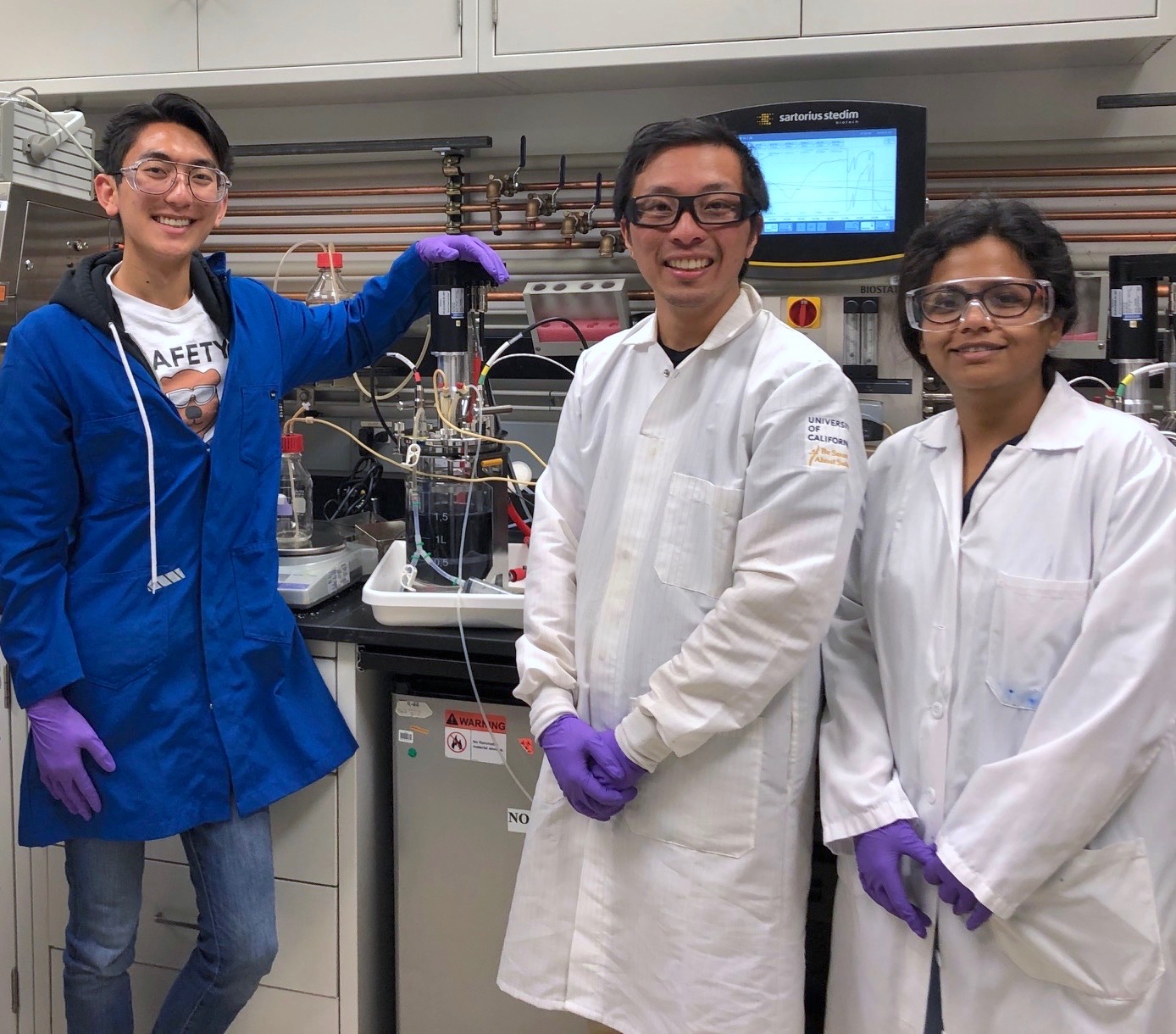
How to Accelerate Solar Adoption for the Underserved
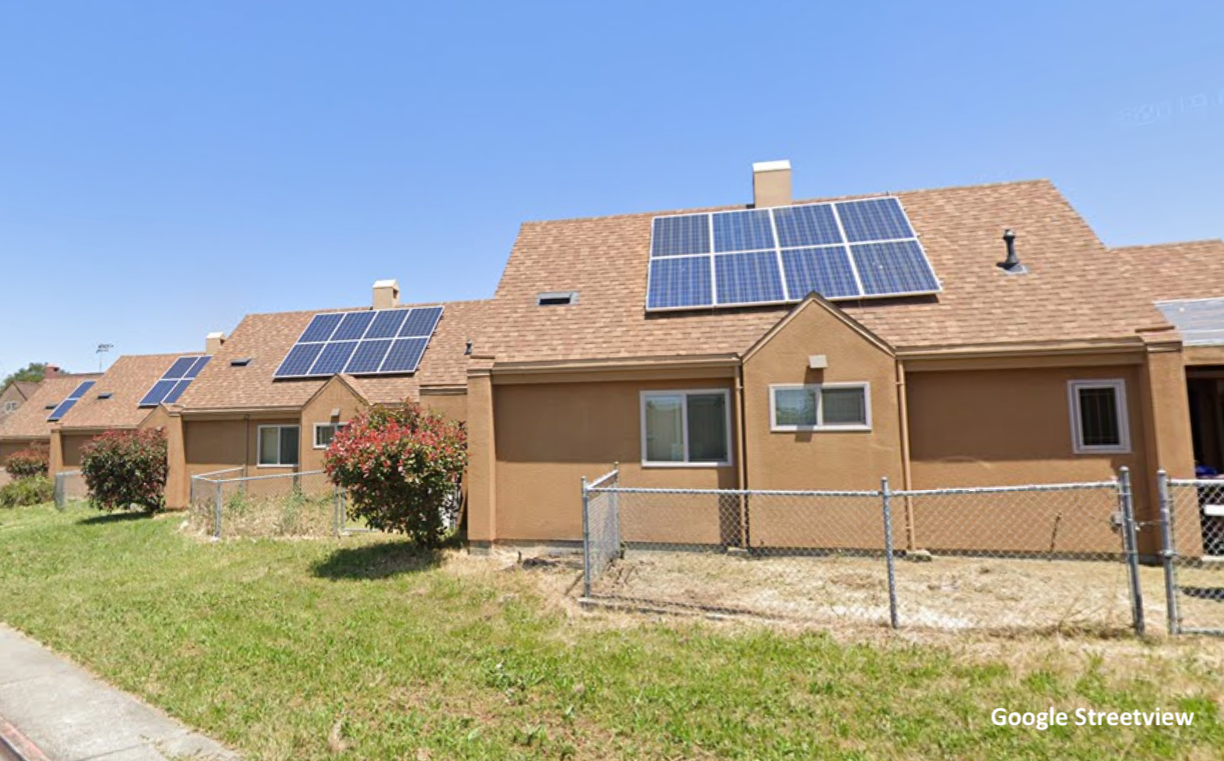
Know When to Unfold ’Em: Study Applies Error-Reducing Methods from Particle Physics to Quantum Computing
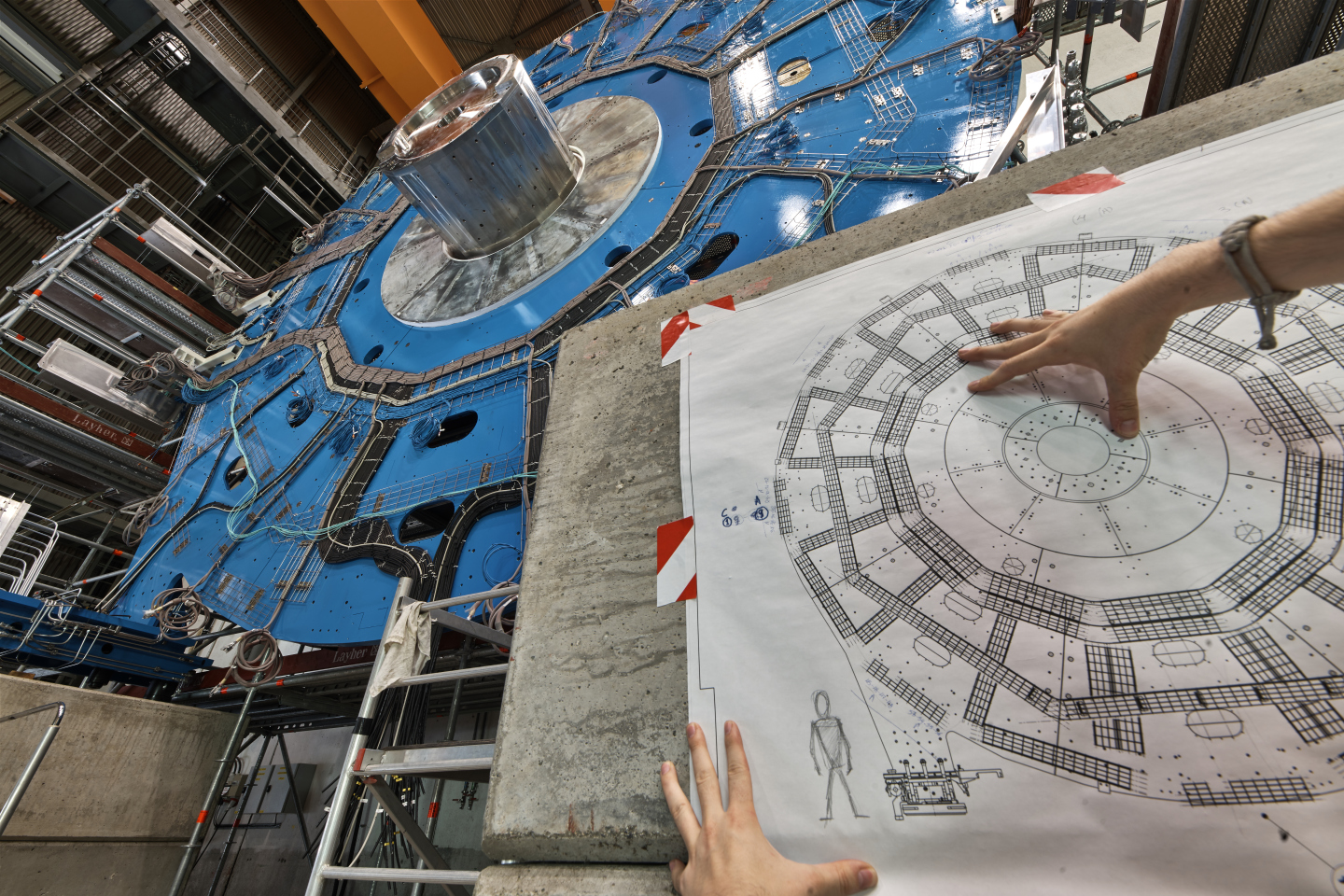
Photo - A new wheel-shaped muon detector is part of the ATLAS detector upgrade at CERN. This wheel-shaped detectors measures more than 30 feet in diameter. (Credit: Julien Marius Ordan/CERN)

GRETA, a 3D Gamma-Ray Detector, Gets Green Light to Move Forward
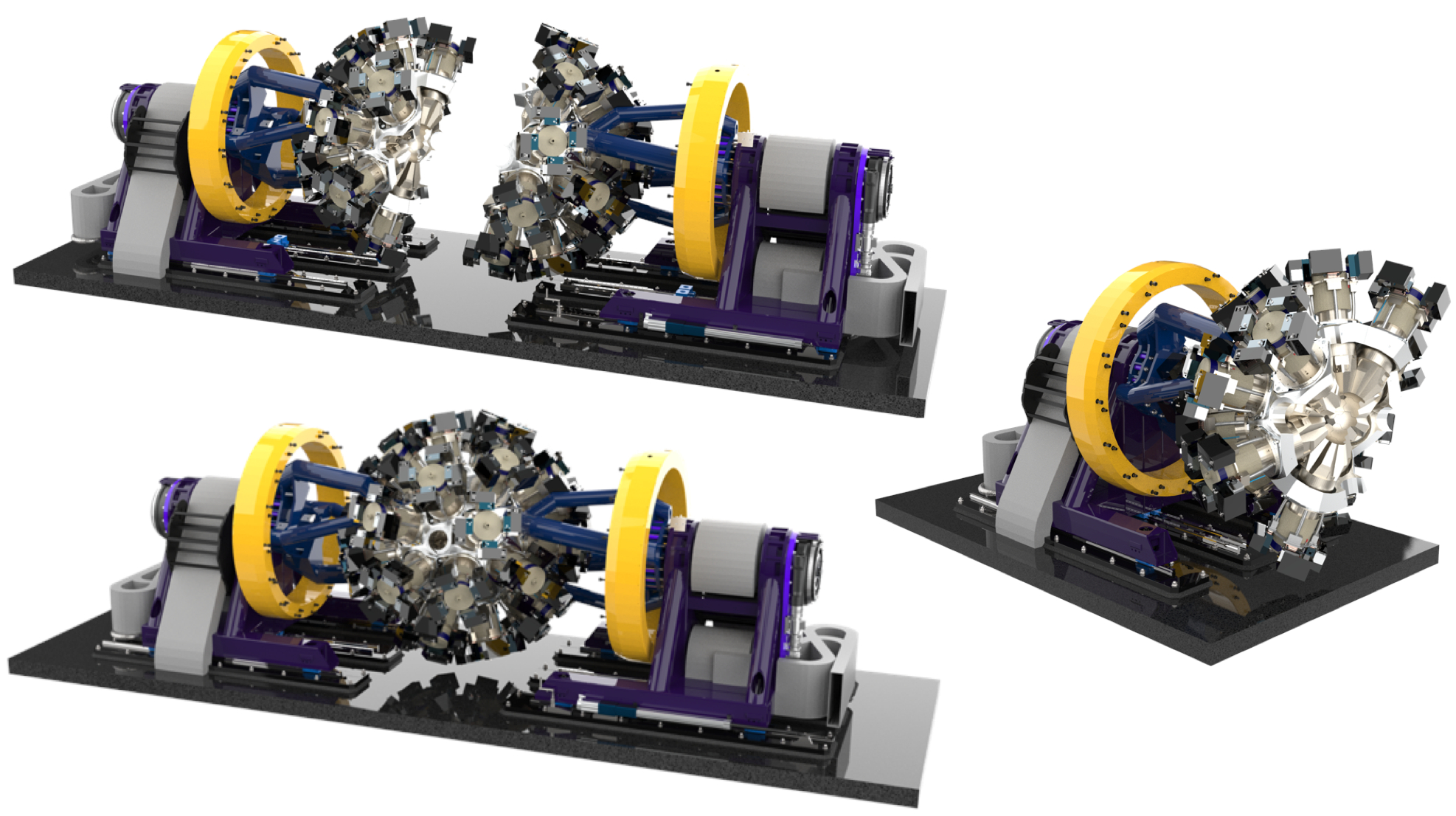
Image - This set of renderings shows the completed GRETA array (left, top and bottom). The detector is designed to open up, with each half retracting on a track. Samples can be placed at the center of the spherical array. The completed array will contain 120 high-purity germanium crystals. (Credit: GRETA collaboration)

Weighing In on ‘Light’ Dark Matter: Q&A With Sinéad Griffin
LaserNetUS High-Power Laser Consortium, Including Berkeley Lab, Receives $18M From the U.S. DOE
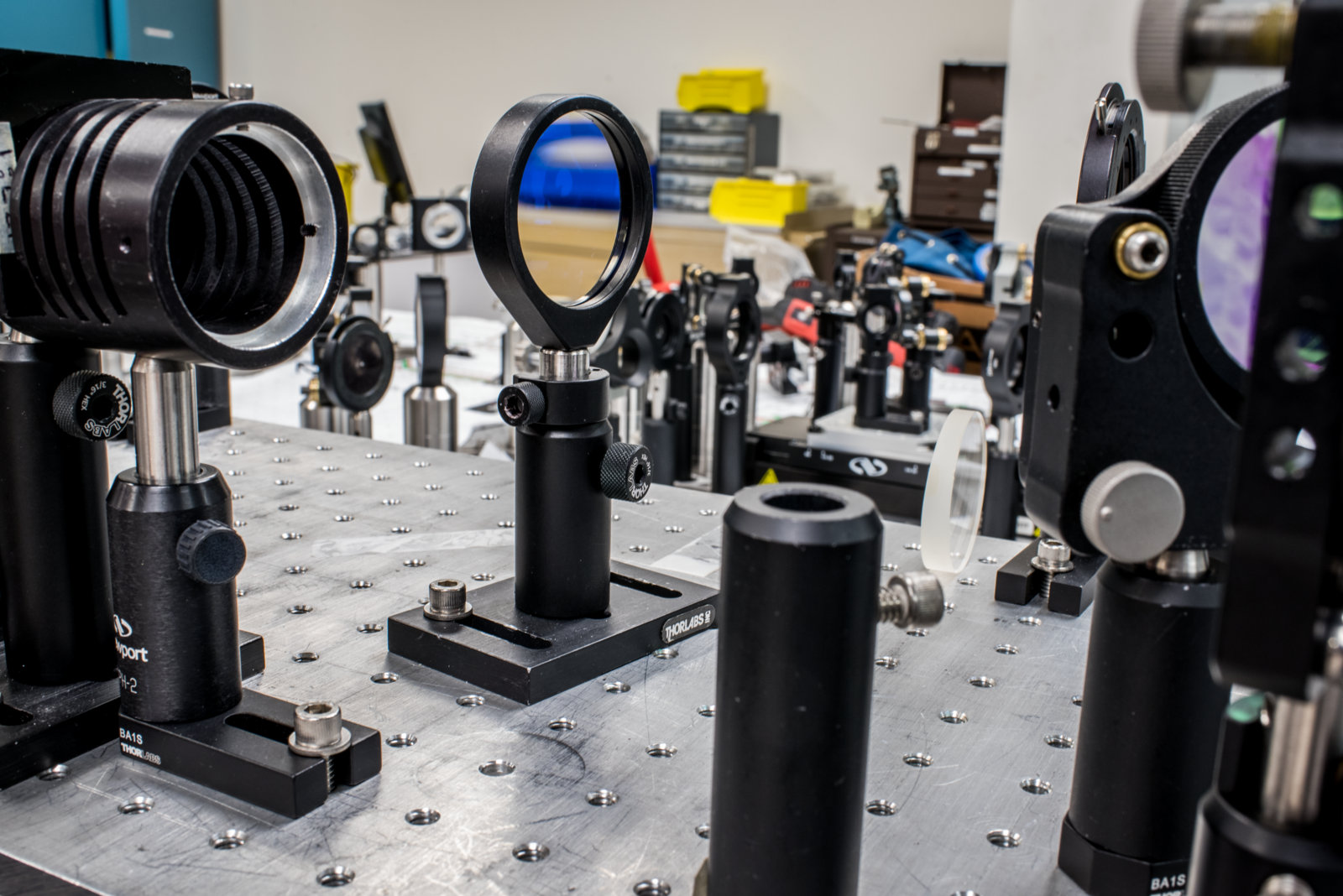
Photo - Berkeley Lab’s BELLA Center houses the BELLA petawatt laser, shown here, and a 100-terawatt-class laser. (Credit: Roy Kaltschmidt/Berkeley Lab)

X-Rays Reveal Architectural Clues to the Crush-Resistance of Diabolical Ironclad Beetles
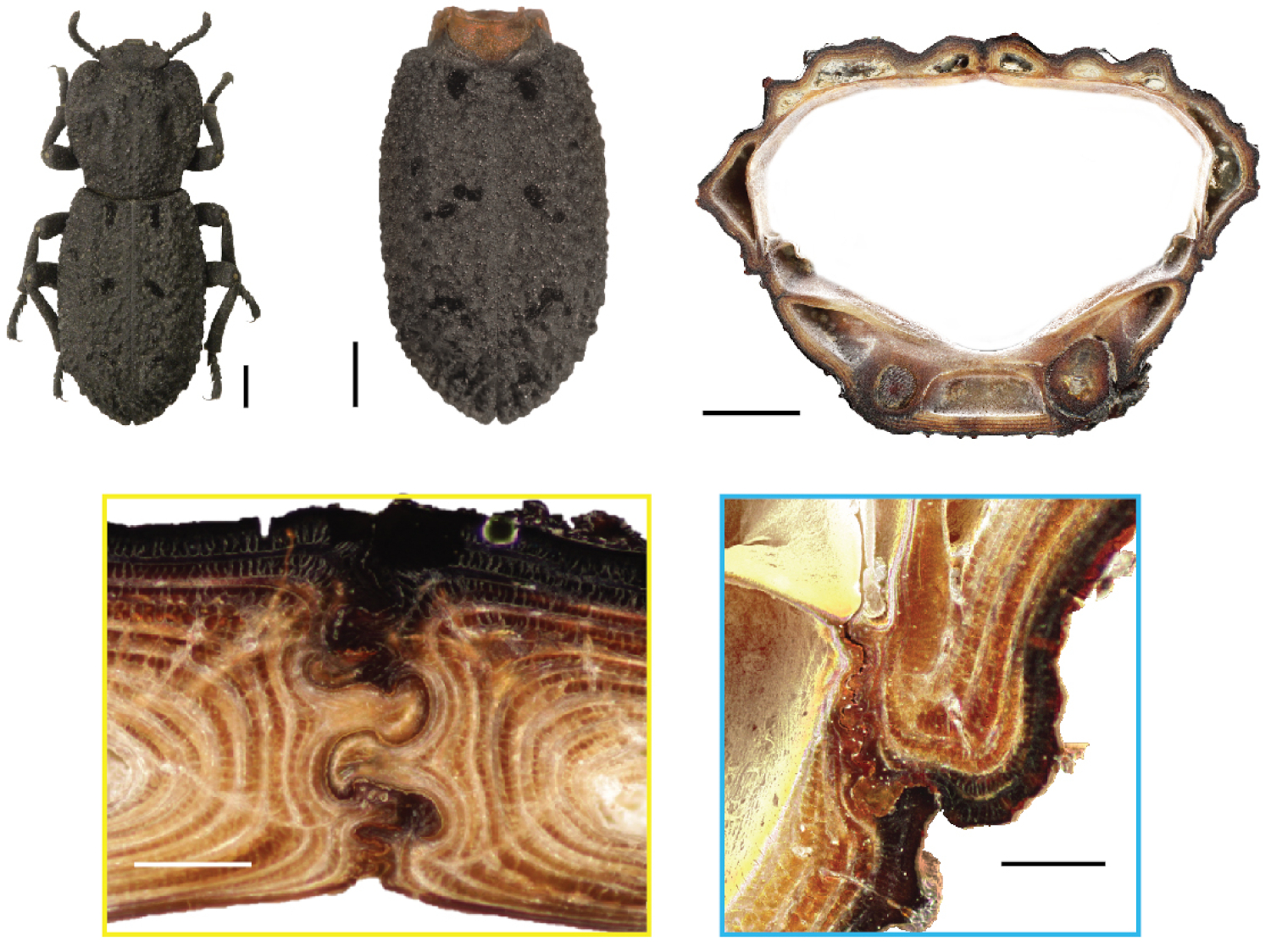
Images - These images show the diabolical ironclad beetle (top left) and how its abdomen (top middle and right) contains an internal architecture (bottom) featuring puzzle piece-like joints (bottom left) that make it incredibly crush-resistant. (Credit: UC Irvine)

A Major Milestone for an Underground Dark Matter Search Experiment
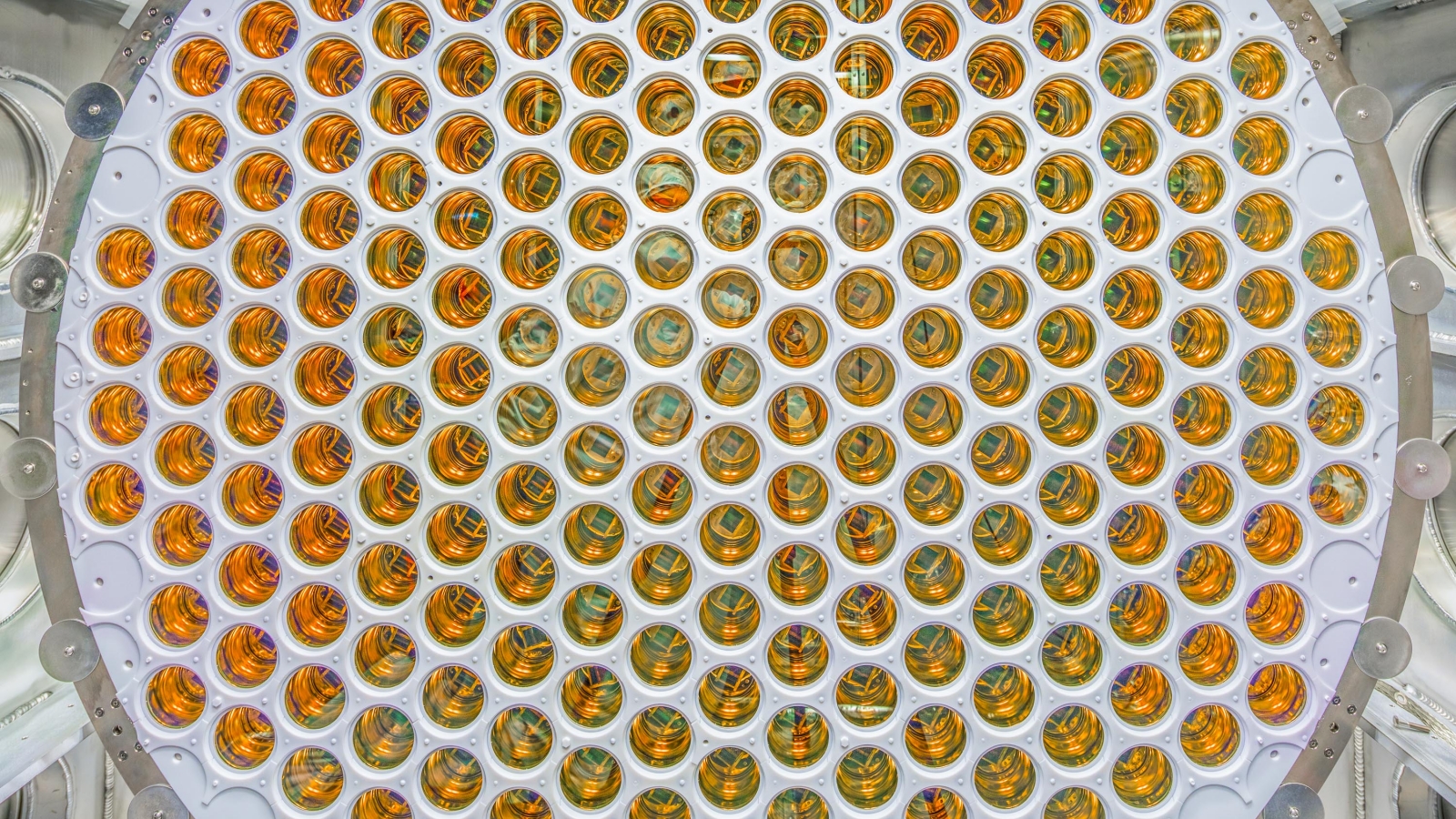
Photo - An array of photomultiplier tubes that are designed to detect signals occurring within LZ’s liquid xenon tank. (Credit: Matt Kapust/Sanford Lab)

VIDEO: Dark Matter Day Q&A with LUX-ZEPLIN Spokesperson Kevin Lesko
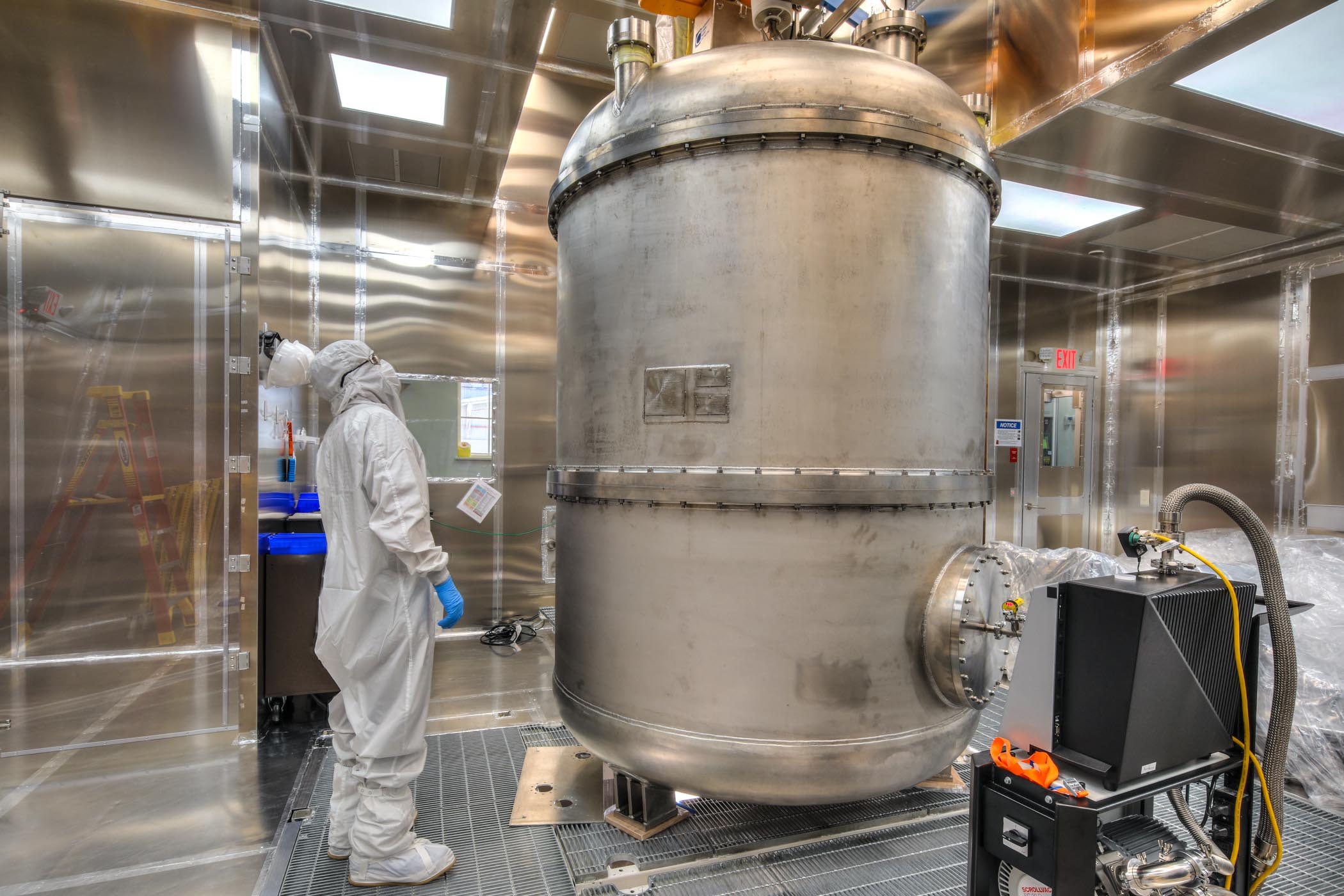
Photo - A worker inspects the titanium cryostat for the LUX-ZEPLIN experiment in a clean room. (Credit: STFC)

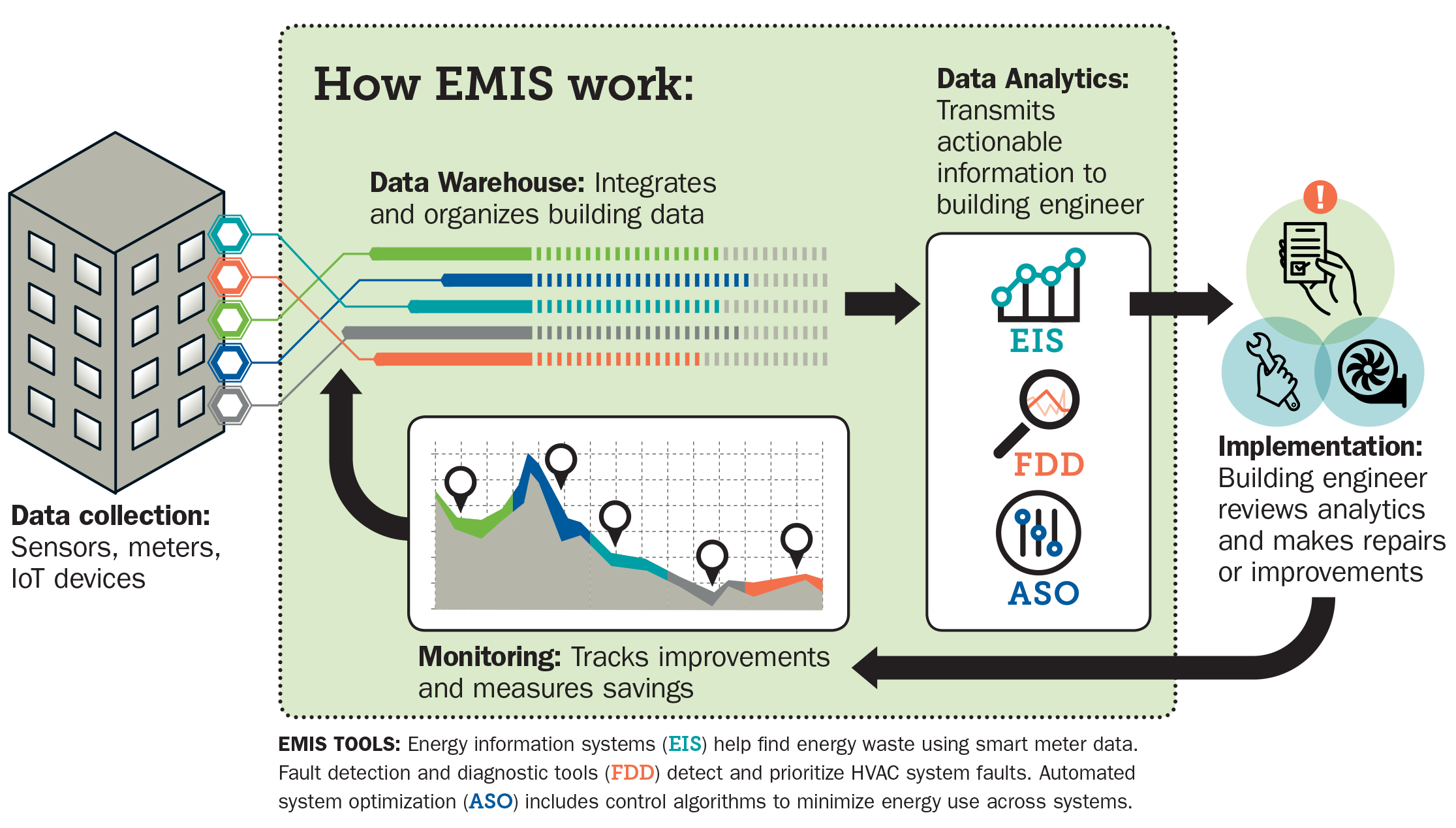
Berkeley Lab Building Efficiency Campaign Drives $95M in Annual Energy Savings
Chasing Their Tails but Getting Somewhere: Reimagining the Shape of Noise Leads to Improved Molecular Models
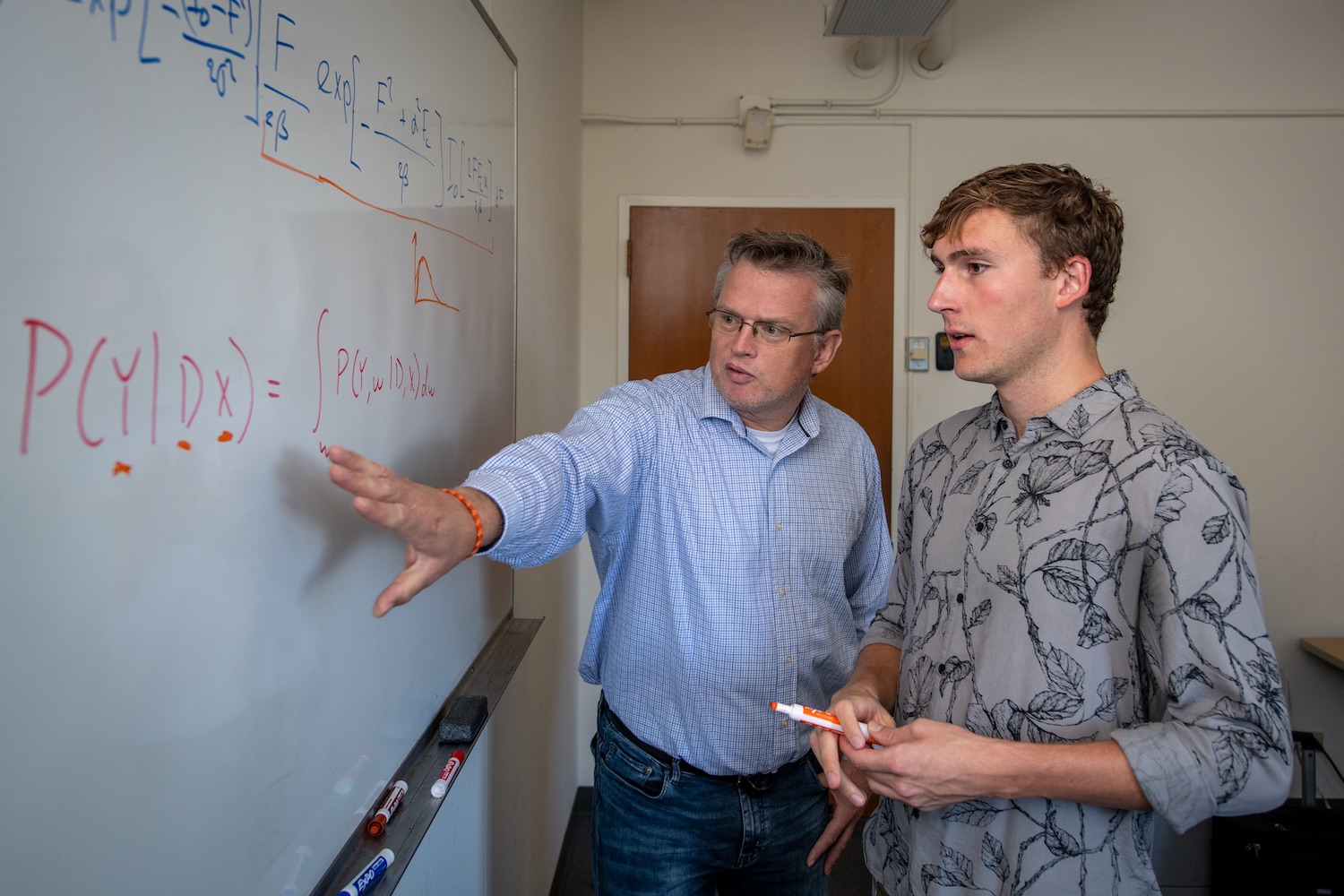
Berkeley Lab intern and scientist working together on algorithms for crystallography