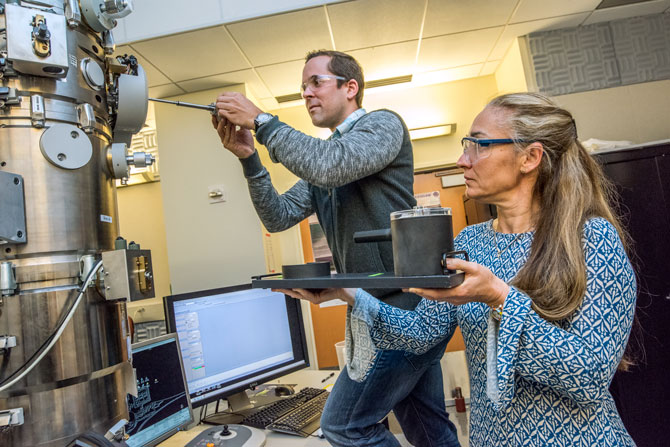
Injecting Electrons Jolts 2-D Structure Into New Atomic Pattern
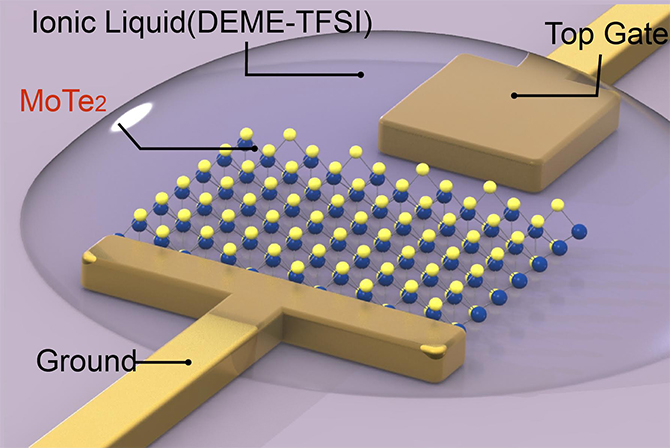
Reimagining Hydrogen: A Small Molecule With Large-Scale Ideas
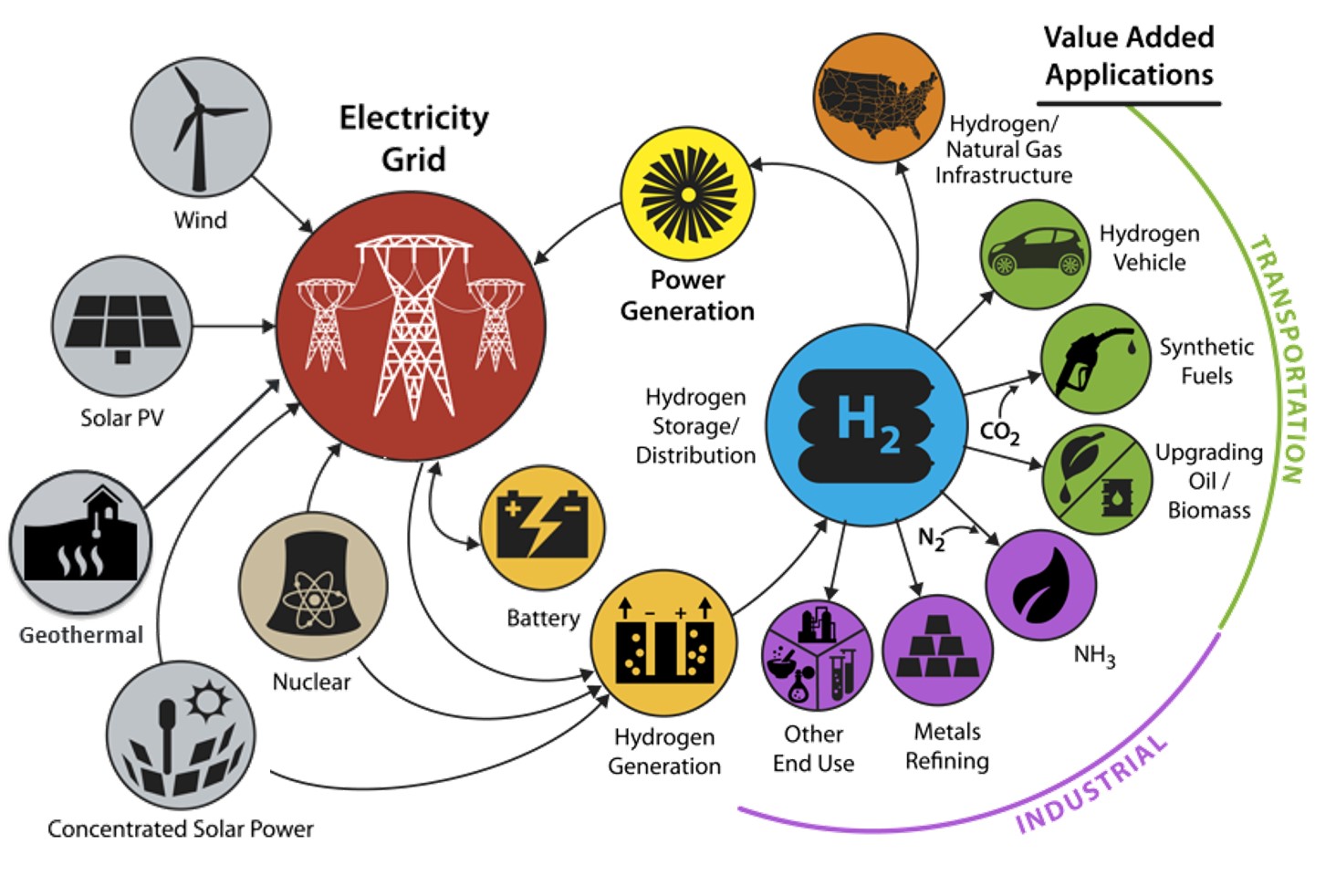
Berkeley Lab Tech Brings Nobel-Winning Cryo-EM Into Sharper Focus
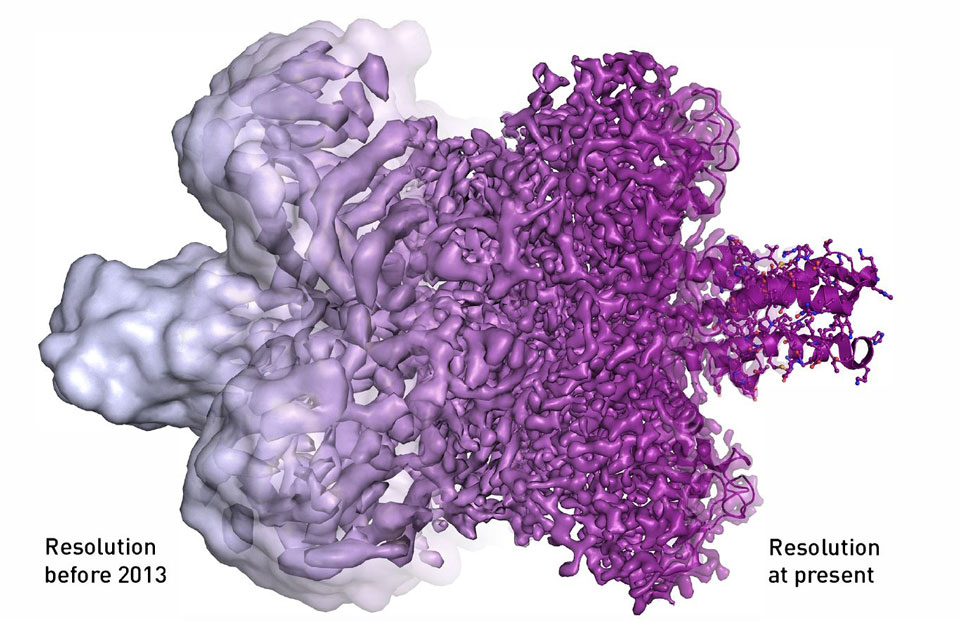
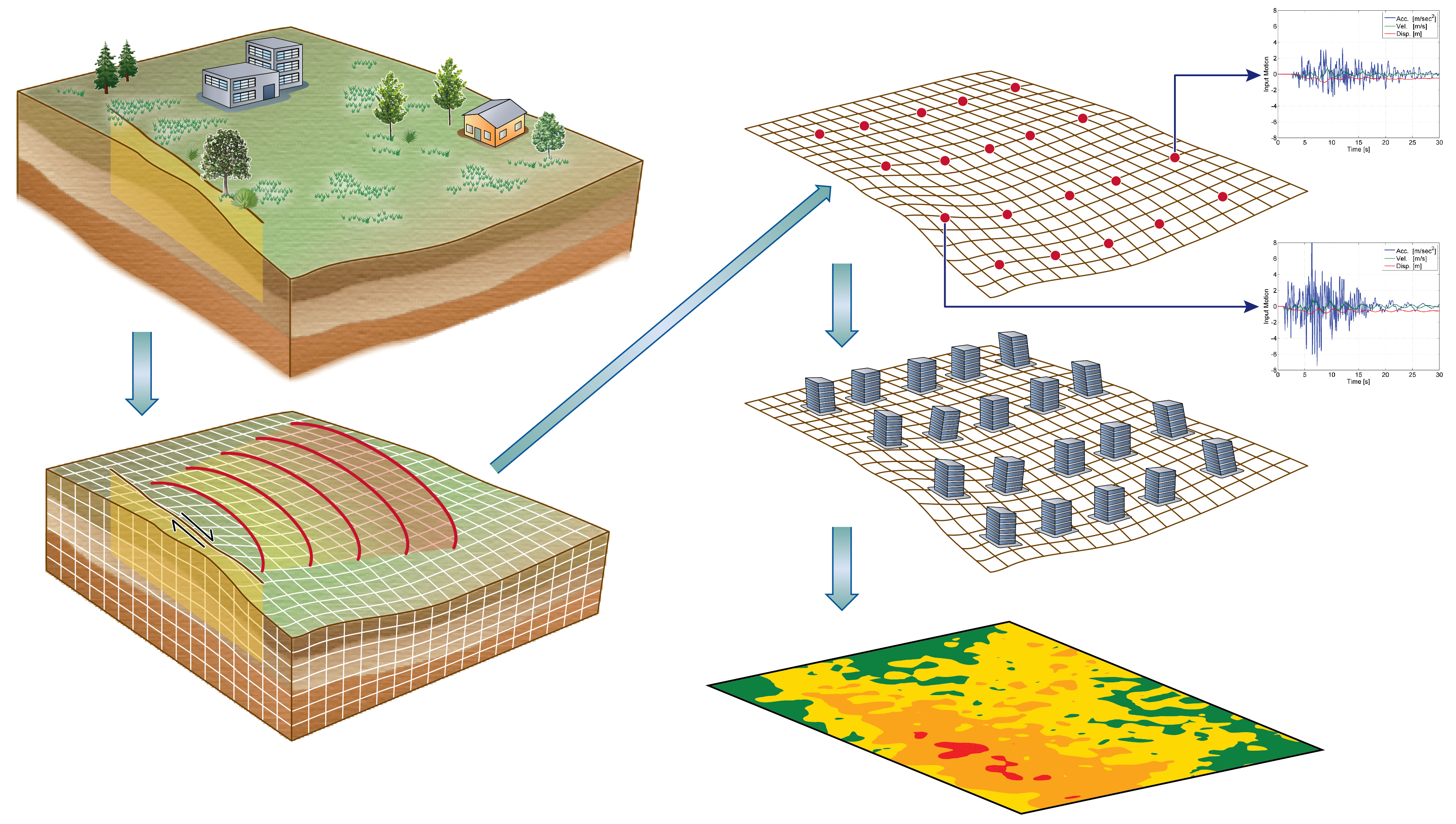
Assessing Regional Earthquake Risk and Hazards in the Age of Exascale
How Berkeley Lab Software Helped Lead to the 2017 Nobel Prize in Physics
Quantum Computation to Tackle Fundamental Science Problems

Berkeley Lab Aims to Strengthen the Cybersecurity of the Grid
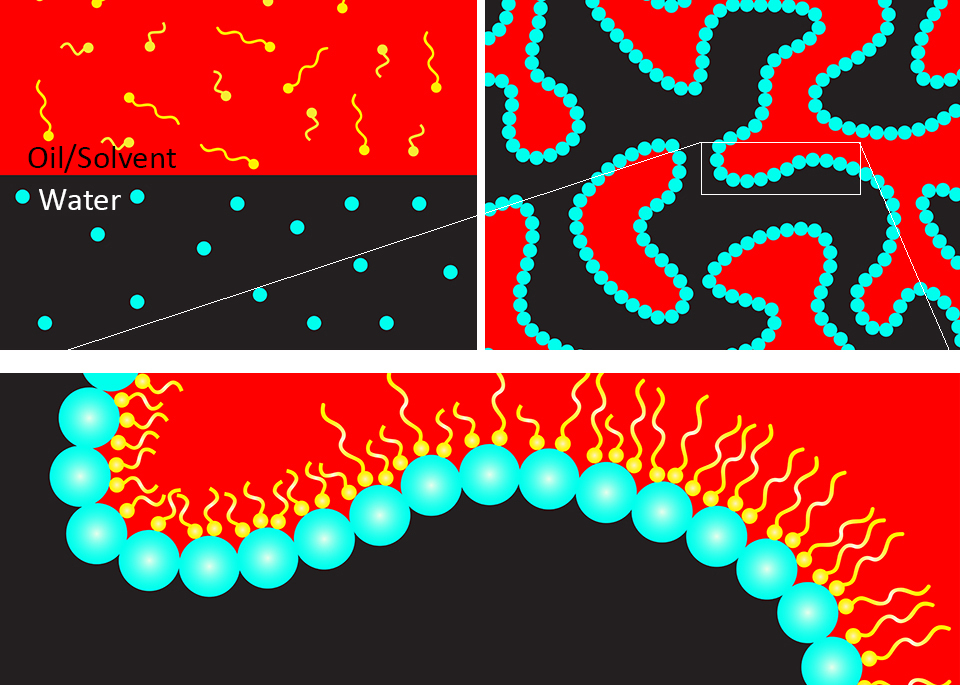
Nanoparticle Supersoap Creates ‘Bijel’ With Potential as Sculptable Fluid
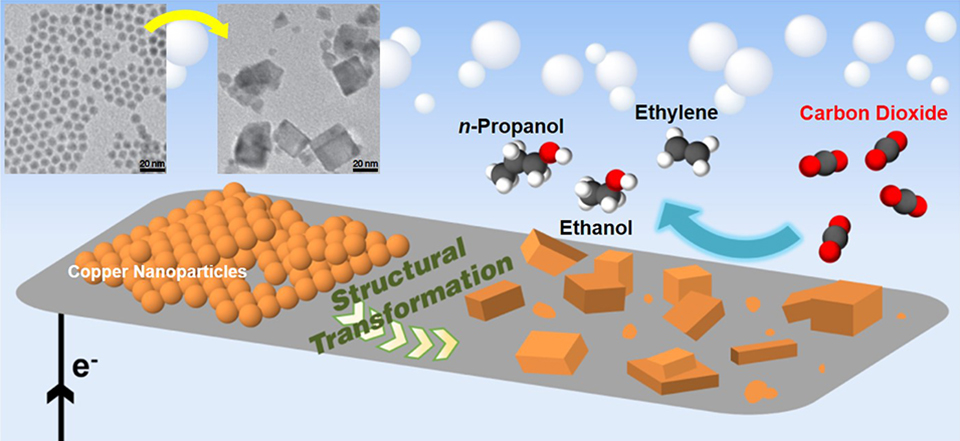
Copper Catalyst Yields High Efficiency CO2-to-Fuels Conversion
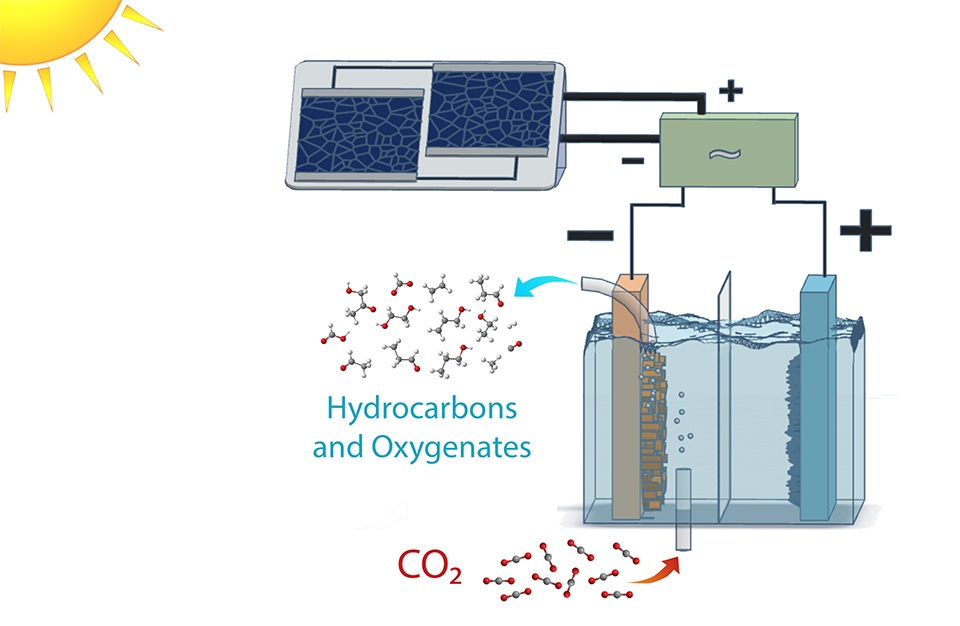
Solar-to-Fuel System Recycles CO2 to Make Ethanol and Ethylene
New Study on Graphene-Wrapped Nanocrystals Makes Inroads Toward Next-Gen Fuel Cells

Berkeley Lab Scientists Map Key DNA Protein Complex at Near-Atomic Resolution