
All News

2-D Material’s Traits Could Send Electronics R&D Spinning in New Directions
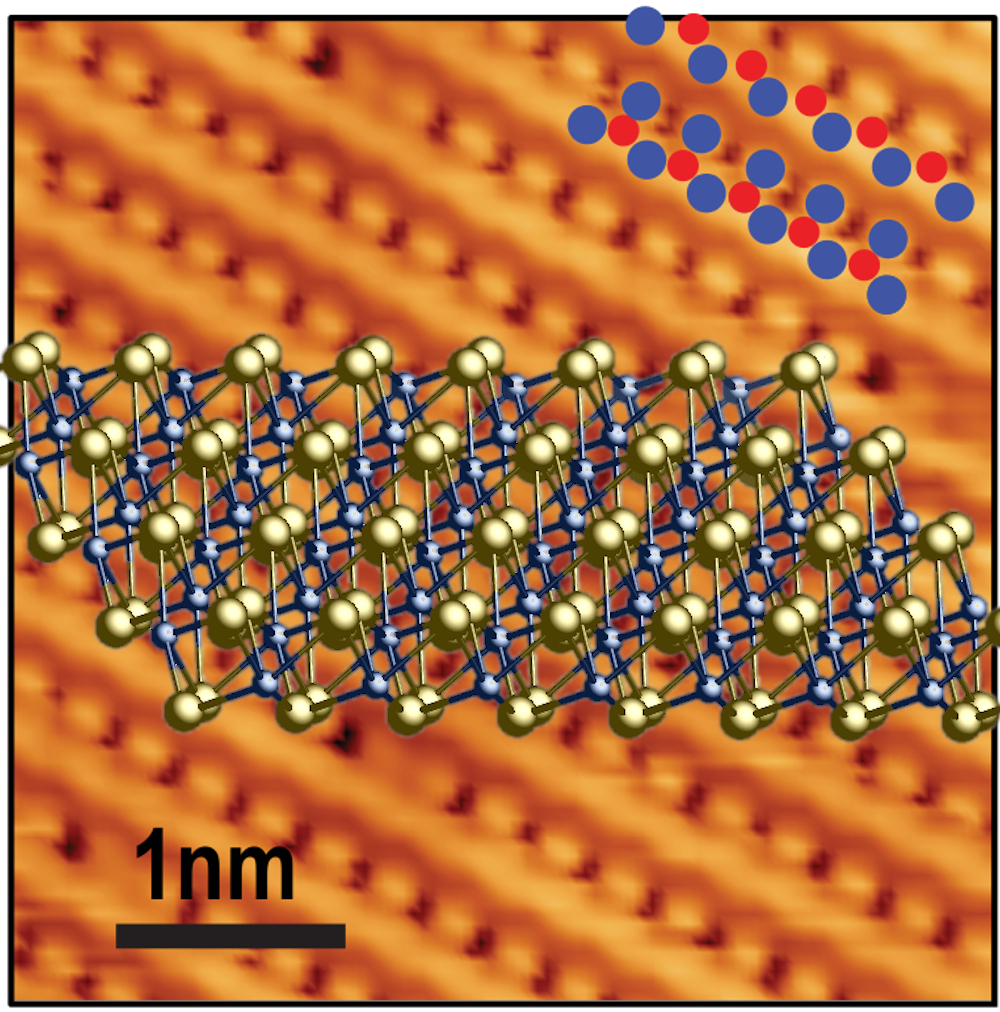
Image - A scanning tunneling microscopy image of a 2-D material created and studied at Berkeley Lab's Advanced Light Source (orange, background). In the upper right corner, the blue dots represent the layout of tungsten atoms and the red dots represent tellurium atoms. The atomic structure is also shown as a ball-and-stick diagram (yellow and blue, center). (Credit: Berkeley Lab)

Study Sheds Light on How Bacterial Organelles Assemble
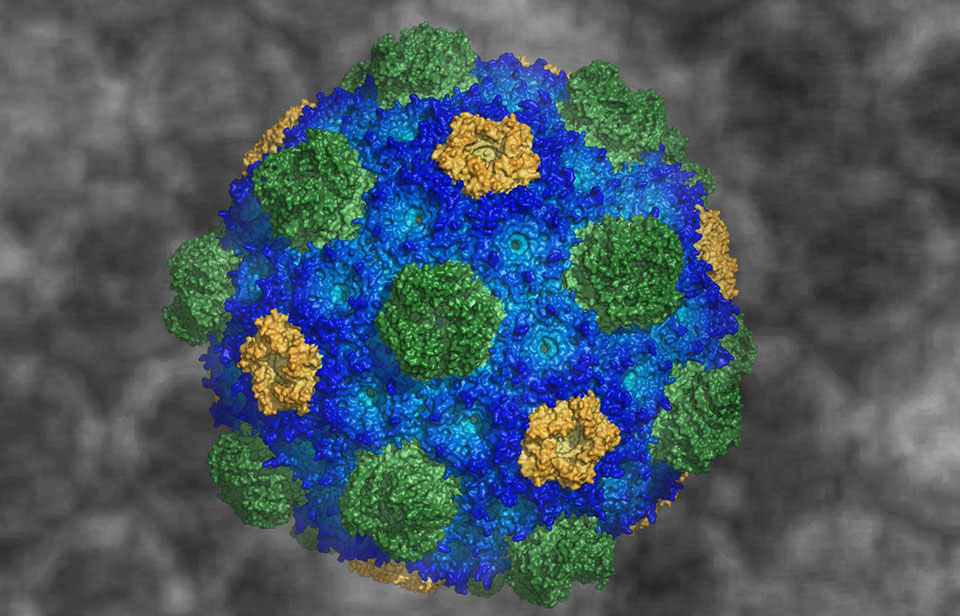
Researchers Find New Mechanism for Genome Regulation

R&D Effort Produces Magnetic Devices to Enable More Powerful X-ray Lasers
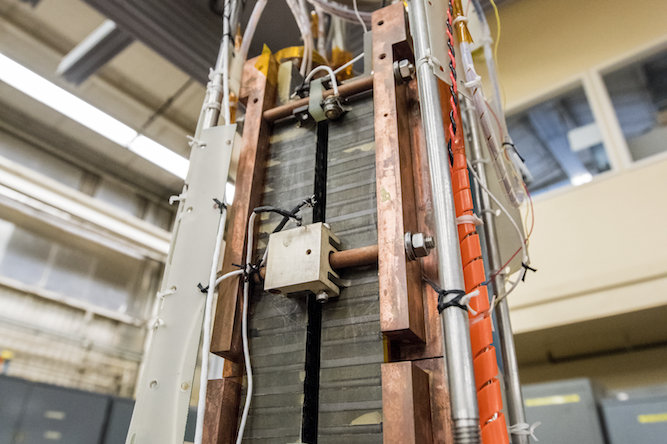
Image - A superconducting undulator prototype developed at Berkeley Lab. (Credit: Marilyn Chung/Berkeley Lab)

Sound Waves Direct Particles to Self-Assemble, Self-Heal
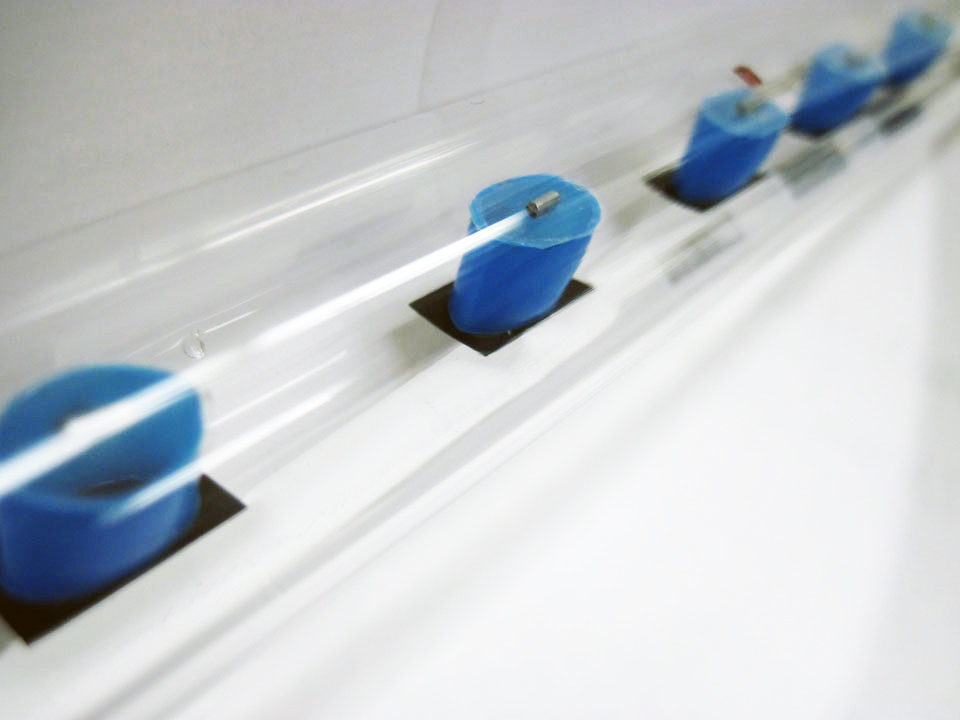
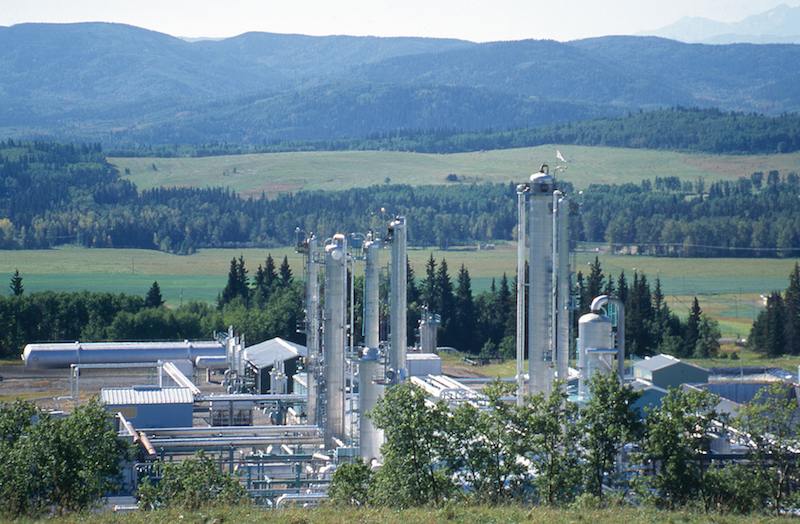
Keeping California’s Natural Gas System Safe
A Seaweed Derivative Could Be Just What Lithium-Sulfur Batteries Need

Researchers Find a Surprise Just Beneath the Surface in Carbon Dioxide Experiment

Image - Scientists are seeking ways to reduce environmentally harmful levels of carbon dioxide from vehicle emissions and other sources by improving chemical processes that convert carbon dioxide gas into ethanol (molecular structure shown here) for use in liquid fuels, for example. X-ray experiments at Berkeley Lab have helped to show what's at work in the early stages of chemical reactions that convert carbon dioxide and water into ethanol. (Credit: Wikimedia Commons)

Berkeley Lab’s Open-Source Spinoff Serves Science
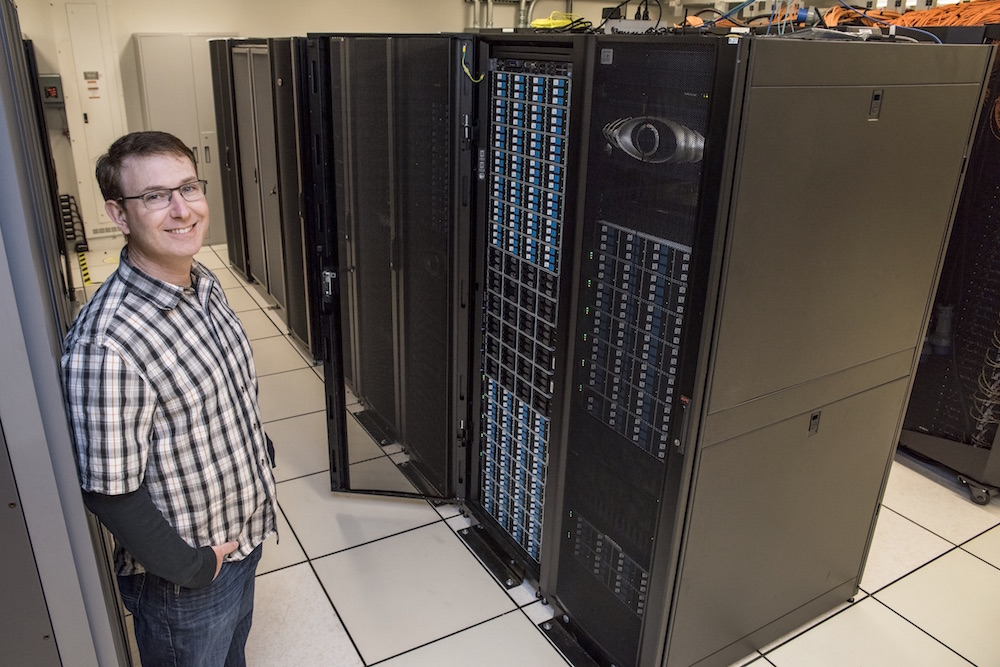
‘Expert in a suitcase’ Cuts Power Bills 10% in Small Commercial Buildings

Heavy Particles Get Caught Up in the Flow
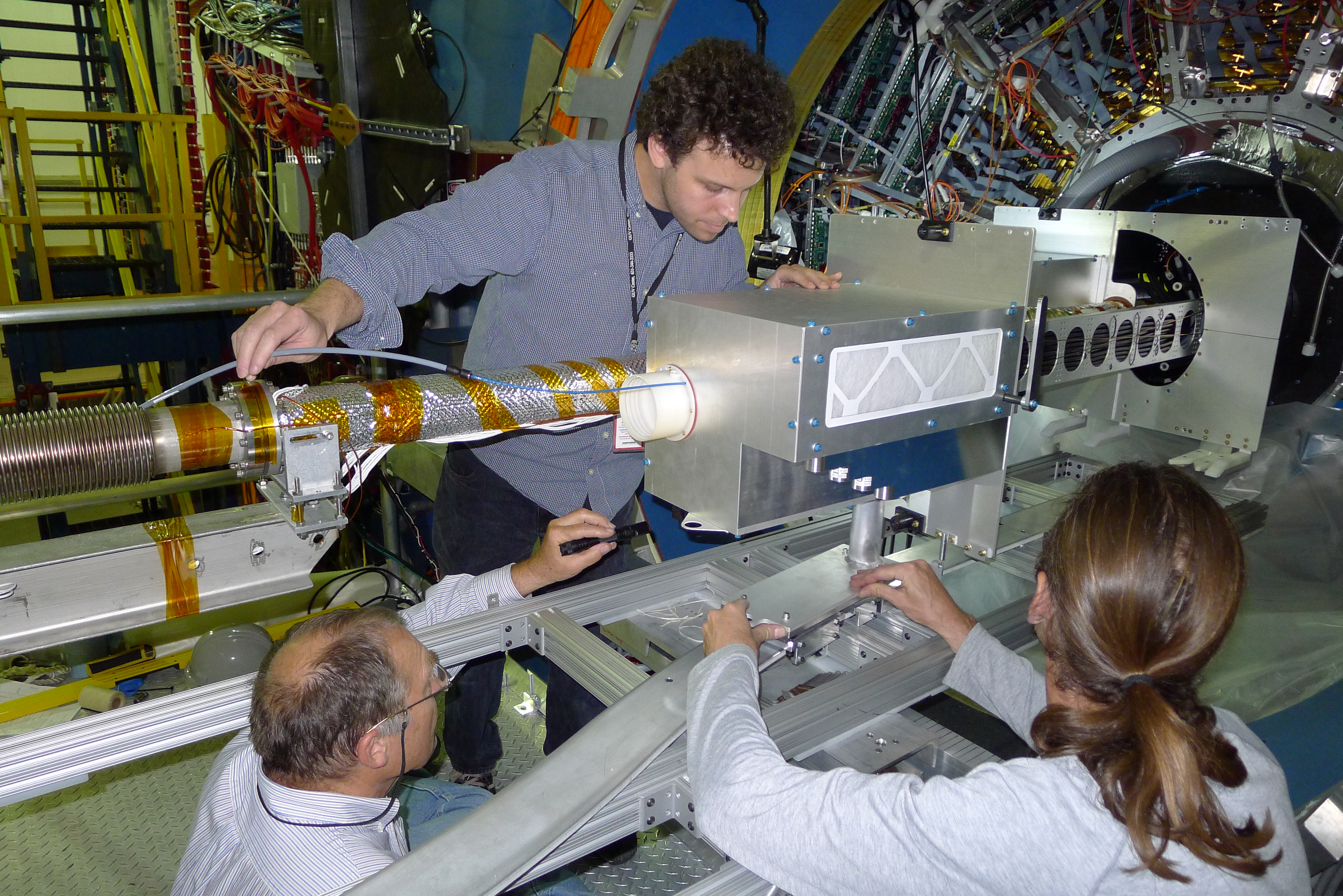
Image - The Heavy Flavor Tracker during insertion into the STAR detector. Pictured at bottom left is Howard Wieman, the designer of the HFT. (Credit: Leo Greiner/Berkeley Lab)

Berkeley Lab Helps California Get to Zero Net Energy Homes