Lawrence Berkeley National Laboratory masthead A-Z Index Berkeley Lab masthead U.S. Department of Energy logo Phone Book Jobs Search
Search the News Center:
  Follow:   YouTube Flickr Twitter Facebook
Posts Tagged ‘biology’

Atomic-level Snapshot Catches Protein Motor in Action

November 19, 2009

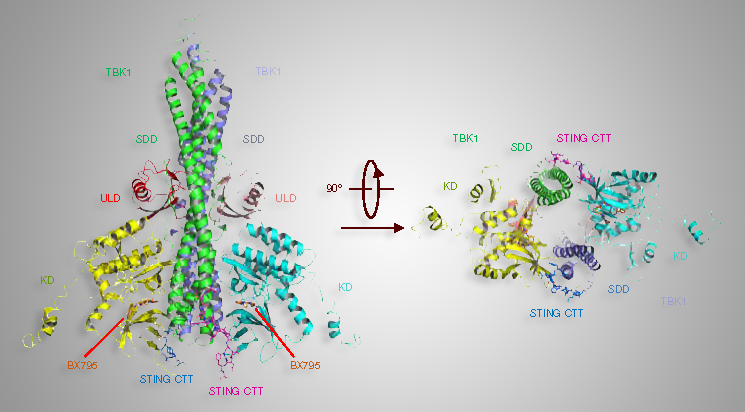
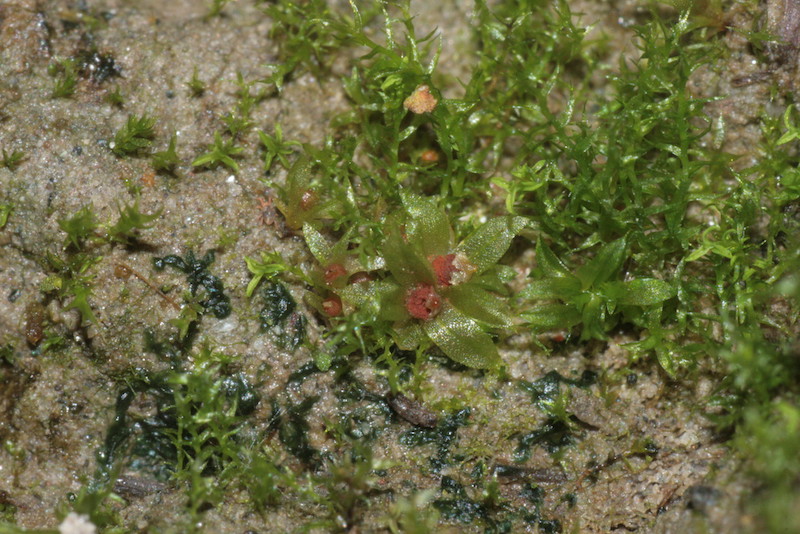
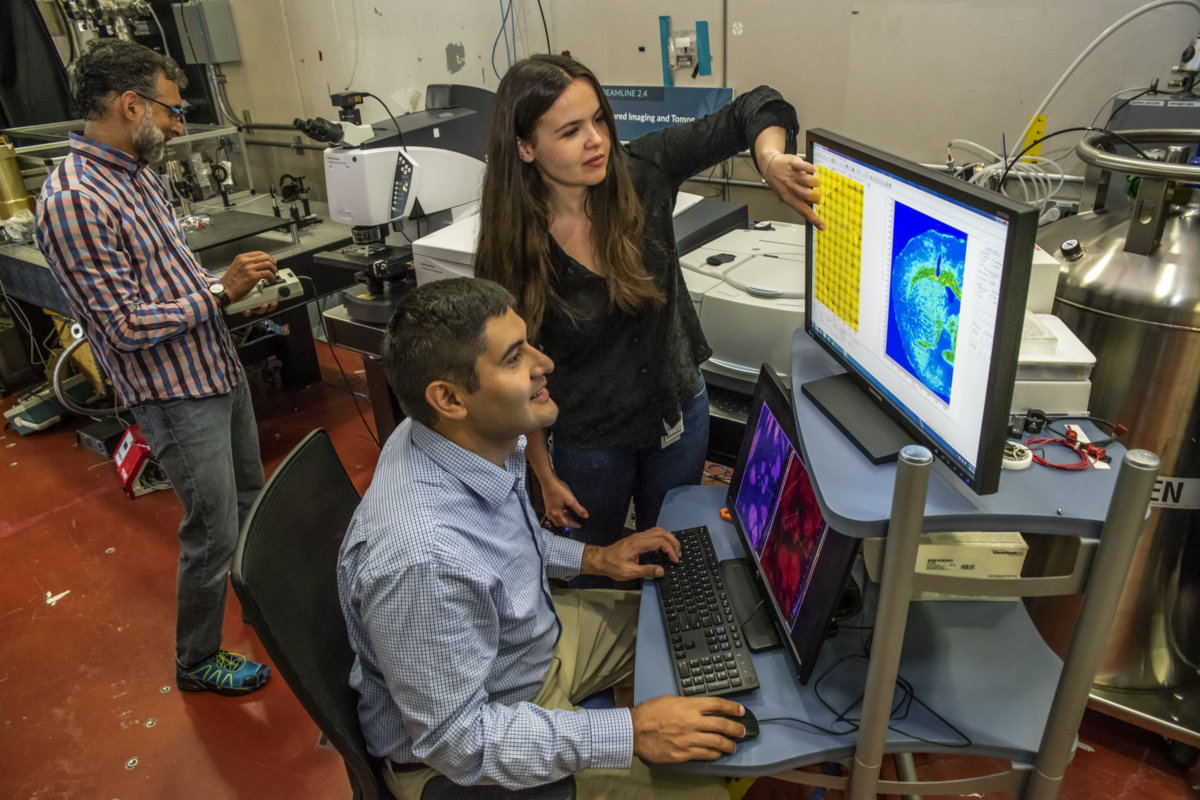
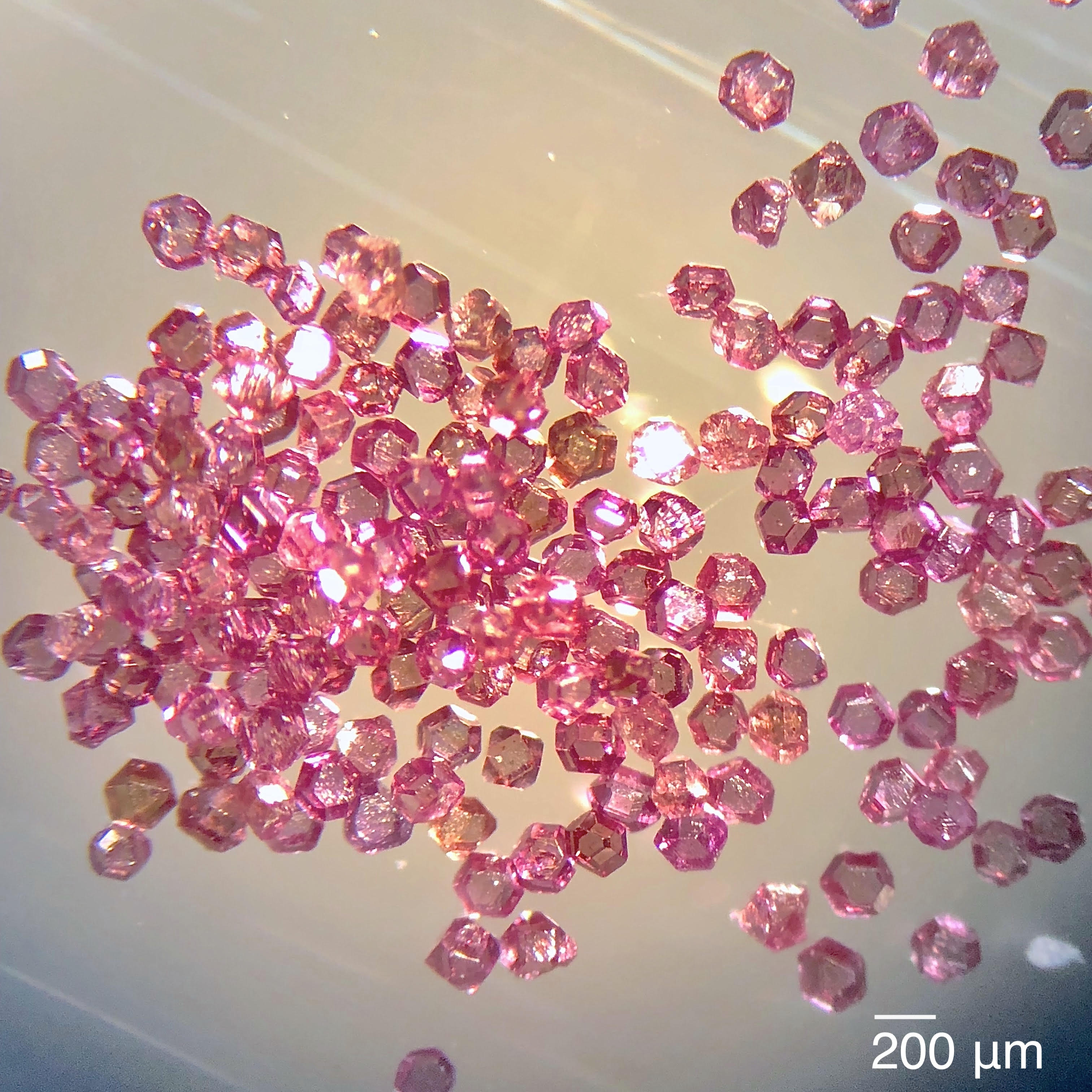
Using a state-of-the-art protein crystallography beamline at Berkeley Lab’s Advanced Light Source, researchers have captured a critical action shapshot of an enzyme that is vital to the survival of all biological cells.

Read More>

Silence of the Genes

October 12, 2009

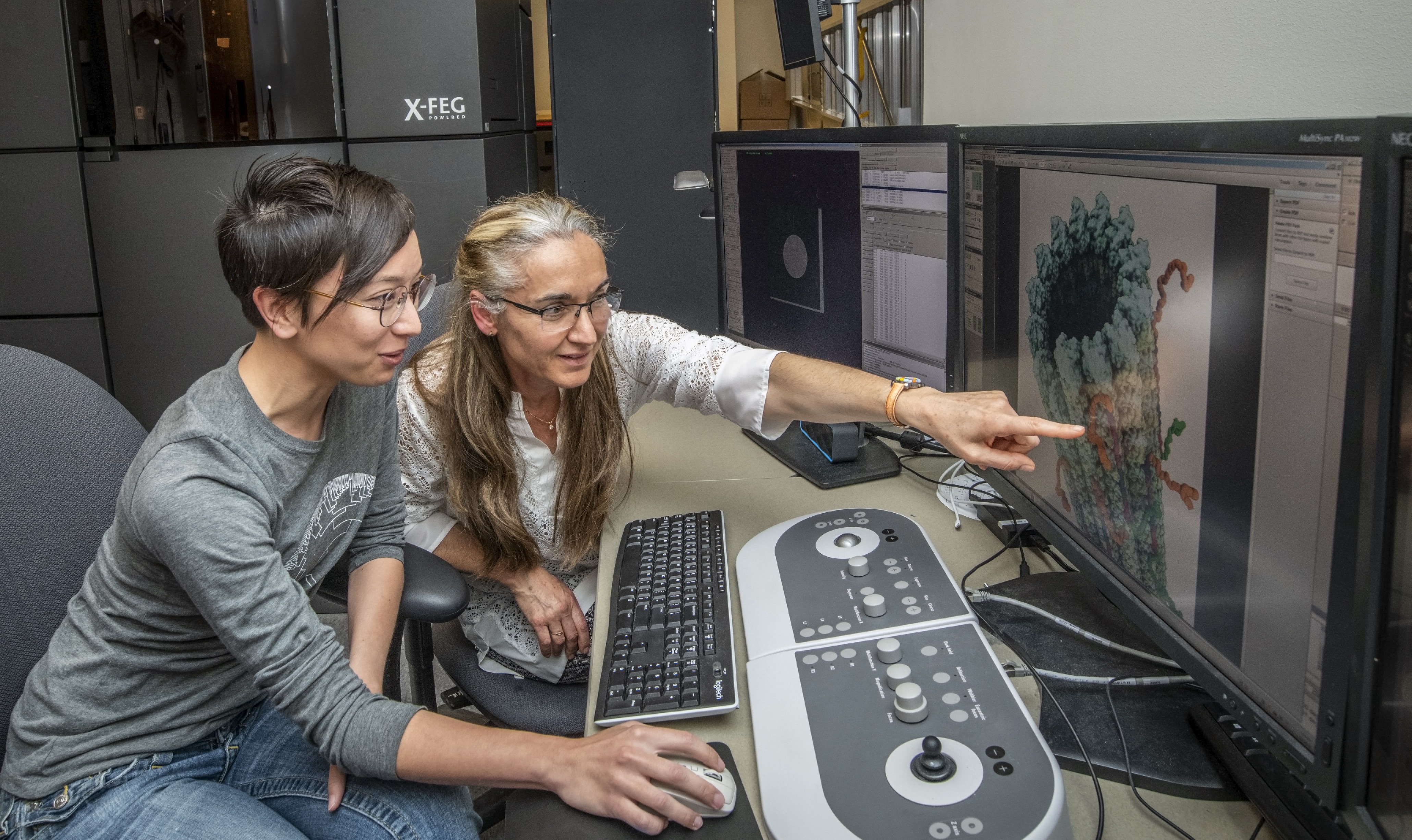
The human RISC-loading complex is a packet of proteins that helps determine the fate of human cells by controlling whether genetic messages – such as “turn cancerous” – are silenced or expressed. Berkeley Lab researchers now know what this critical complex looks like.

Read More>

Berkeley Lab and the University of Incheon Anticipate Scientific Collaboration

September 23, 2009

George Smoot of the Physics Division represented Berkeley Lab at the signing of an agreement with representatives of South Korea’s University of Incheon to explore the potential for joint scientific research in energy, biology, accelerators, cosmology, and space. The agreement calls for investigation of possible collaborations in which the University of Incheon would provide facilities and Berkeley Lab would provide research programs.

Read More>

Jet-propelled Imaging for an Ultrafast Light Source

July 28, 2009

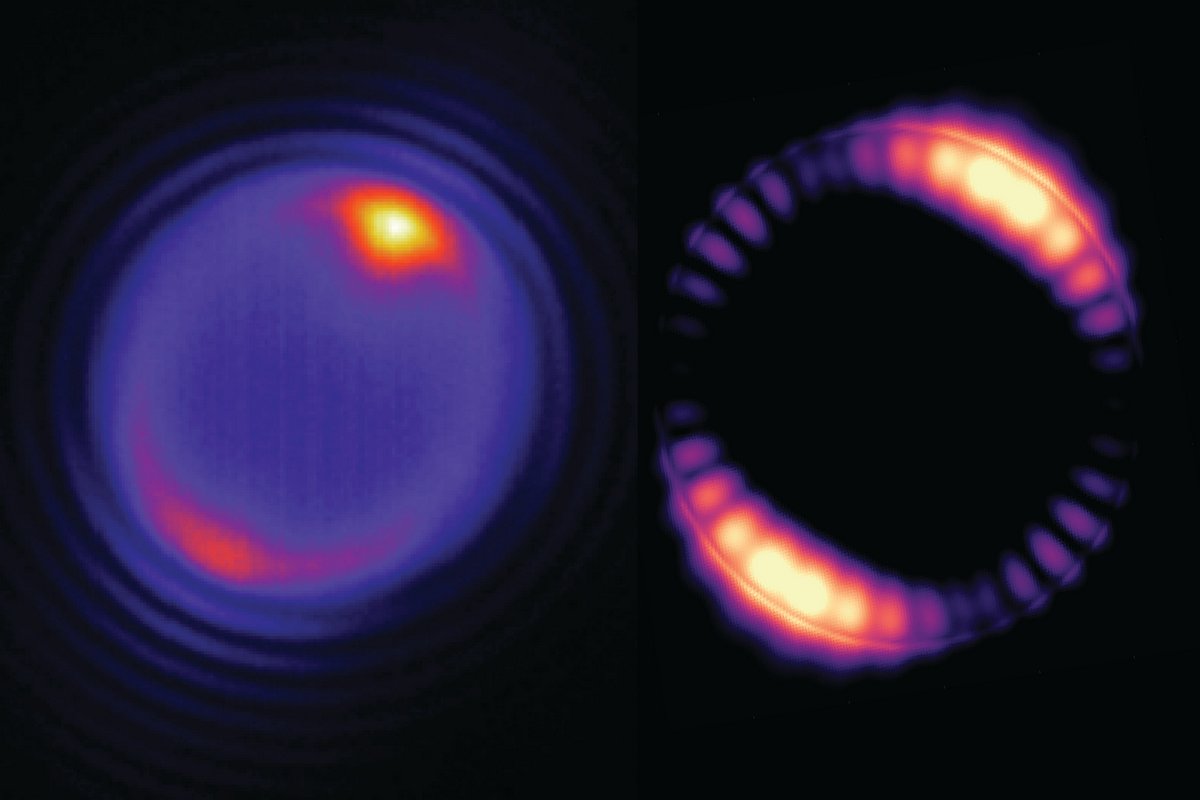
A particle gun tested at Berkeley Lab’s Advanced Light Source and soon to be installed at SLAC’s Linac Coherent Light Source fires liquid droplets less than a millionth of a meter in diameter, hundreds of thousands of times a second or faster. The sample jet sends the droplets across a tightly focused x-ray beam in single file, each droplet so small it contains only a single protein or virus.

Read More>

A New Way to Assemble Cells into 3-D Microtissues

March 5, 2009

By programming cells with short lengths of synthetic DNA on their surfaces, scientists at the Molecular Foundry control how different cell types bind together to form complex artificial microtissues for potential uses in medicine and in medical and biological research.

Read More>

Synthetic Biology Can Help Extend Anti-Malaria Drug Effectiveness

March 3, 2009

Synthetic biology can not only provide a simple and much less expensive means of making artemisinin, the most powerful anti-malaria drug in use today, but can also help extend the drug’s effectiveness. Bundling microbial-based artemisinin as part of an anti-malarial drug “cocktail” rather than selling it as a monotherapy should delay or even prevent malaria parasites from developing resistance. Recently, there have been reports of malaria parasites in West Africa showing some signs of resistance to plant-based artemisinin.

Read More>

Top
A U.S. Department of Energy National Laboratory Operated by the University of California
UC logo    Office of Science logo
Questions & Comments · Privacy & Security Notice