Key Takeaways
- Digital twins are ultra-accurate computer-based simulations of complex physical systems used for exploring “what-if” scenarios and guiding real-time decisions in science and engineering.
- Berkeley Lab researchers are advancing digital twin models across disciplines.
- Digital twins connect real-world systems with virtual models to test scenarios, optimize workflows, and help test decisions without damaging the tools.
- These models complement complex scientific instruments using historical data to create reliable predictions.
At the Department of Energy’s Lawrence Berkeley National Laboratory (Berkeley Lab), researchers are investigating and installing digital twins of highly sophisticated instruments that have the potential to dramatically speed up scientific discoveries.
A digital twin is a dynamic, virtual replica of a complex physical system such as a battery, manufacturing component, or a car. Digital twins have been used for decades in aerospace, healthcare, and manufacturing. While traditional simulations model a system based on fixed inputs, a digital twin uses real-time data from the physical system to model performance and predict future behavior.
Digital twins complement complex instruments by creating a continuous feedback loop. This allows the digital twin to adjust autonomously using real-time data updates and measurements — scientists accomplish this by combining advanced simulation, advanced sensors, and AI technology. The real-world counterpart delivers the precise measurements that feed and validate the models, while the digital twins use those measurements to explore scenarios and suggest real-time updates that would be impractical or time-consuming to complete without them.
Here are a few examples of how Berkeley Lab is accelerating science with digital twins:
The AI model that learns every scale — and stays accurate
Berkeley Lab scientists have developed the spatiotemporal Fourier Transformer (StFT), an AI model that accurately predicts the long-term behavior of complex systems — such as turbulent plasma in fusion devices and large-scale fluid flows — with improved accuracy and stability over time. By learning patterns at both large and small scales and estimating its own uncertainty, StFT delivers trustworthy forecasts and lays the foundation for digital twins: ultra-accurate virtual replicas of physical systems for exploring “what-if” scenarios and guiding real-time decisions in science and engineering.
A digital twin for faster, smarter particle accelerator alignment
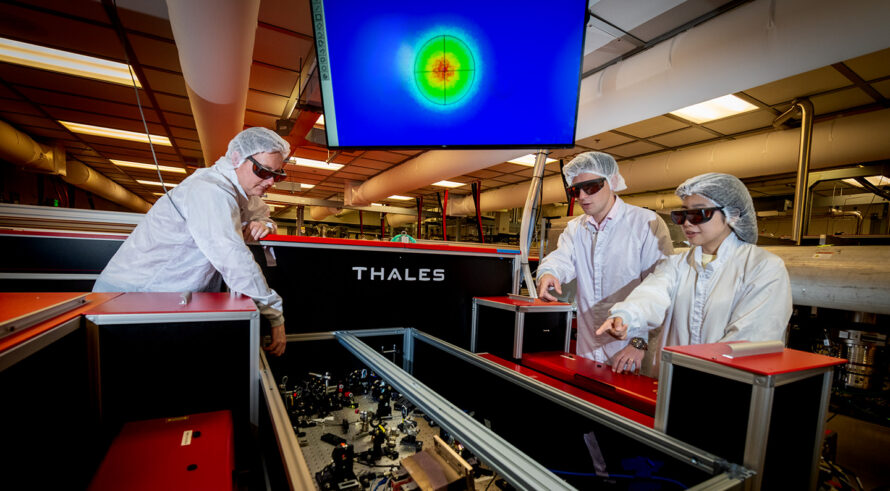
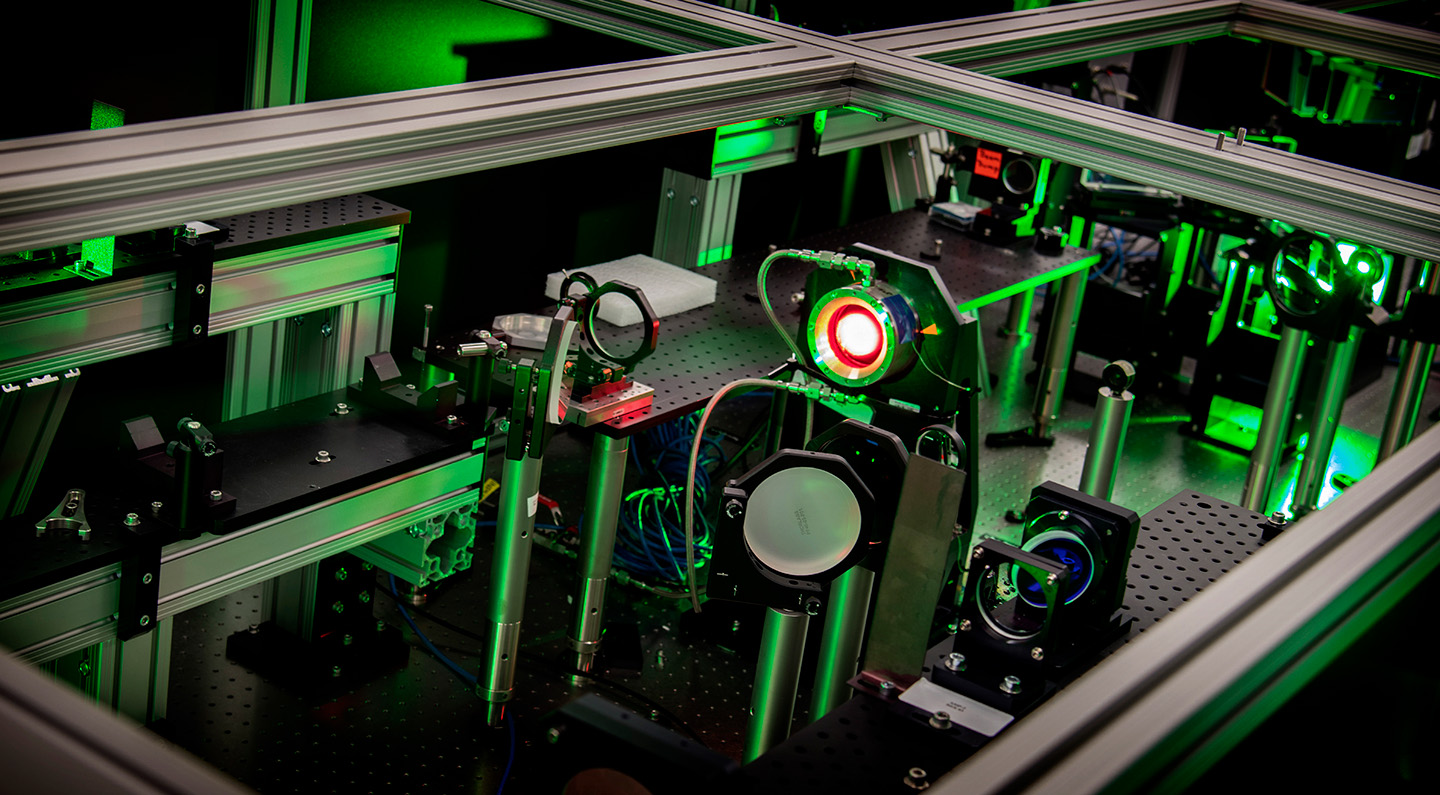
Researchers are developing a digital twin of a particle accelerator beamline to help automate the beam alignment process, which can currently take from tens of minutes to hours each day on small systems, and longer on large accelerators. Research led by Rémi Lehe, Research Scientist from the Accelerator Technology & Applied Physics (ATAP) Division at Berkeley Lab and funded by the Laboratory Directed Research and Development (LDRD) program, the project combines high-fidelity simulations, machine learning, and the computing power of the National Energy Research Scientific Computing Center (NERSC) to model the electron beam’s behavior and to take into account measurements to update the simulations’ predictions. “A key aspect of a digital twin is the automated connection between the physical device and the simulation, eventually allowing for real-time updates in both directions,” said Lehe. By replacing manual adjustments with physics-informed, ML-driven control in the future, the team aims to free scientists to focus on higher-impact research while boosting beamline performance. This work using the Berkeley Lab Laser Accelerator (BELLA) Center’s hundred terawatt undulator facility as a test will be a key step in developing automated methods broadly applicable to control other accelerators and complex systems, with future infrastructure linking physical experiments directly to supercomputers for real-time modeling and decision-making.
A digital twin for real-time, data-driven tsunami forecasting
Current tsunami early warning systems often fail to capture and comprehend seismic complexities and can lead to delayed, missed, or false warnings. A research team at the University of Texas at Austin and associated institutions recently developed and presented a digital twin that enables far more predictive, real-time, data-driven tsunami forecasting. The model dynamically adapts to real-world seafloor behavior detected by sensors on the ocean floor, providing improved tsunami forecasting and advanced warning. To make this possible, the team used Perlmutter at Berkeley Lab’s National Energy Research Scientific Computing Center (NERSC) to run rupture scenarios. The research has been awarded the 2025 Association for Computing Machinery (ACM) Gordon Bell Prize, one of the highest honors in high performance computing (HPC).
An AI-powered digital twin accelerates chemistry and materials discoveries
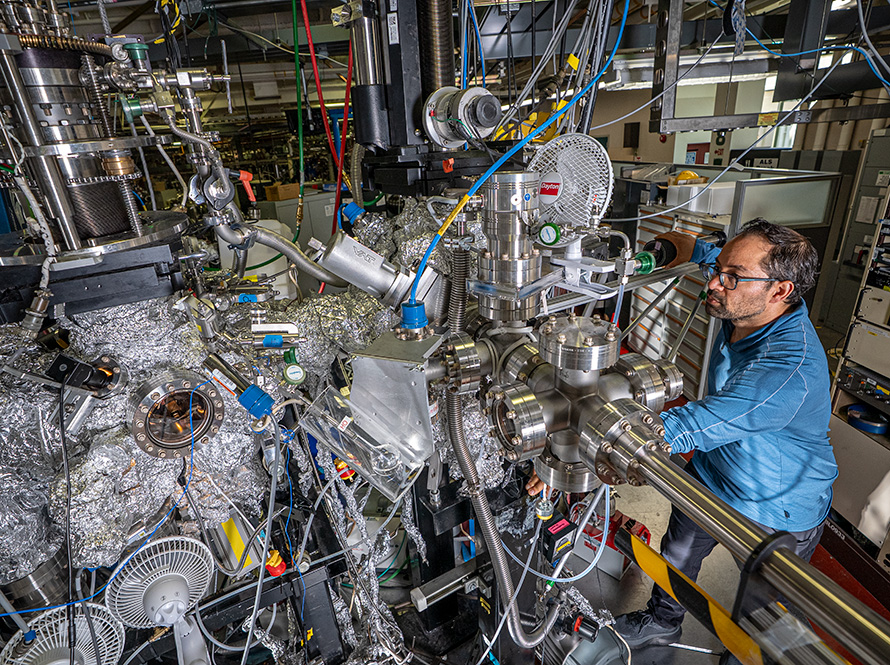
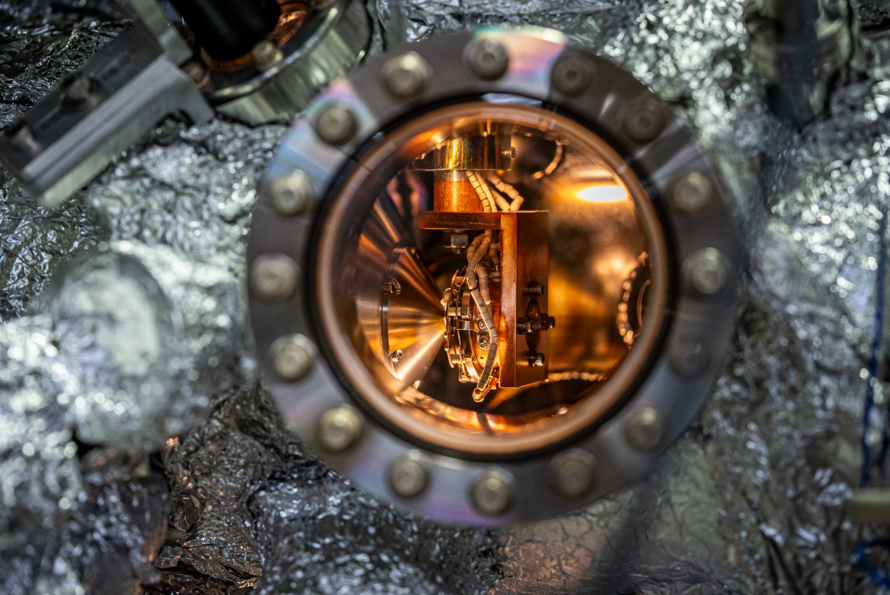
Chemistry discoveries that could revolutionize everything from phone batteries to chemical production currently take months or even years to validate. Scientists at Berkeley Lab have developed Digital Twin for Chemical Sciences (DTCS), an AI-powered platform that enables researchers to observe chemical reactions, adjust experimental parameters, and validate hypotheses simultaneously during a single experiment, compressing discovery timelines from months to minutes.
The breakthrough could bring new insights into interface science and catalysis — chemical processes critical to batteries, fuel cells, and chemical manufacturing. By pairing DTCS with state-of-the-art spectroscopy instruments, researchers can now understand step-by-step reaction mechanisms in real time. DTCS is one of the first digital twin platforms designed to augment the characterization of chemical reactions at interfaces, and one of several digital twin technologies that the Department of Energy is developing to accelerate innovation across various sectors, including nuclear energy, smart grids, and the chemical sciences.
Optimizing building operations with digital twin technologies
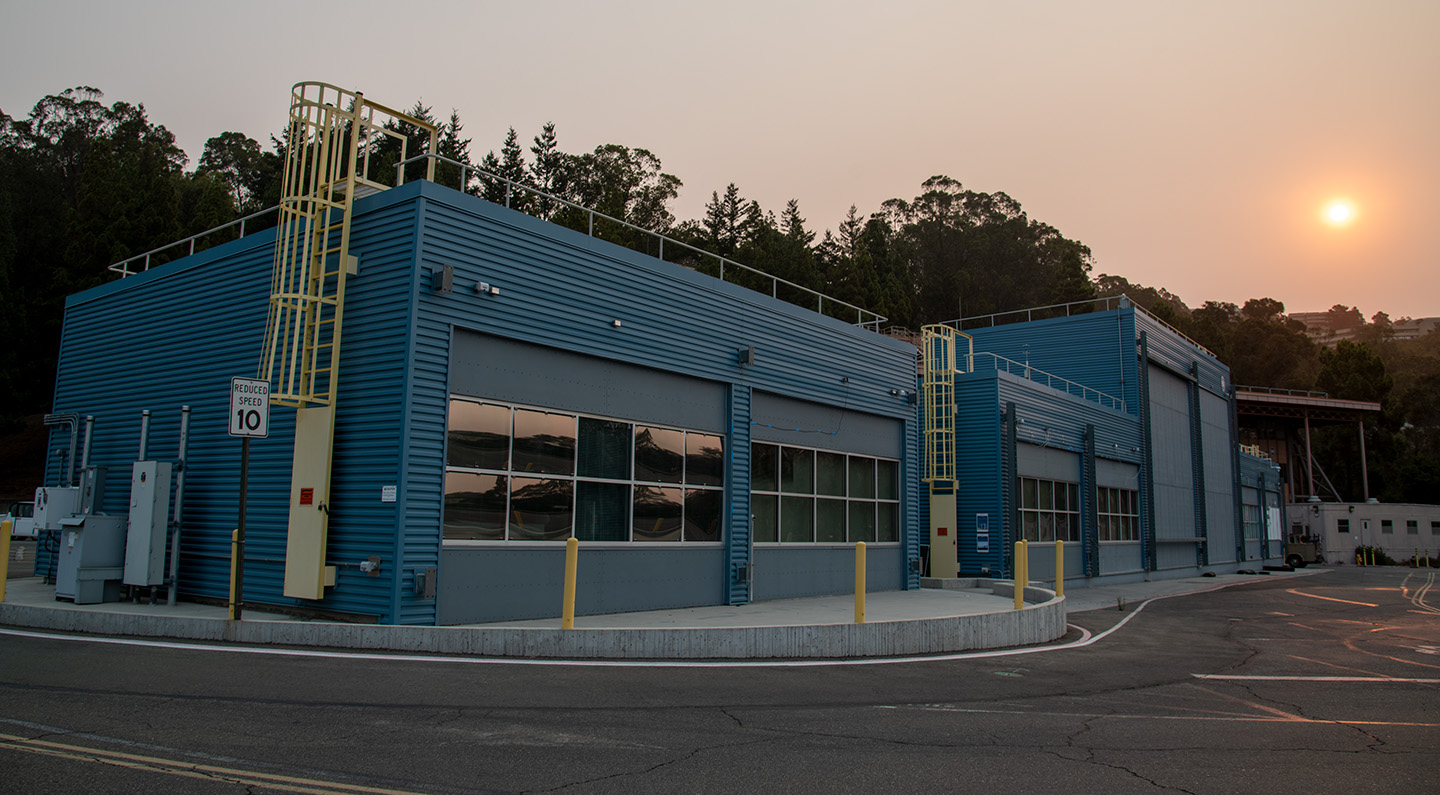
Managing a building’s energy system is a constant balancing act. At Berkeley Lab’s FLEXLAB® testbed, researchers Han Li and Tianzhen Hong have developed a digital twin that mirrors real-time data from the facility’s Heating, Ventilation, and Air-Conditioning (HVAC) system, rooftop solar, and rechargeable battery system. Using sensors and AI, the platform creates a live feedback loop between the physical and virtual systems, allowing researchers to test energy-saving strategies and simulate events like power outages during heat waves without unnecessary risk. “Digital twins let us explore ‘what-if’ scenarios that are impossible, or dangerous, to recreate in the real world,” said Hong.
The digital twin can ultimately expand the platform across Berkeley Lab’s campus and to industry partners. Funded by the LDRD program, the project has already drawn interest from manufacturers and energy-tech startups.
High-performance networking for the future electric grid
As our energy systems grow increasingly complex, designing the next-generation U.S. power grid requires linking simulations and real-world testbeds across multiple national labs with data arriving exactly when expected. That’s where the Energy Sciences Network’s (ESnet) On-Demand Secure Circuits and Advance Reservation System (OSCARS) comes in. “A key challenge in connecting simulations to live equipment is ensuring data arrives exactly when it’s needed — even tiny delays can crash the system,” said Andrew Wiedlea, Science Engagement Acting Group Lead at ESnet.
By creating highly predictable, low-jitter network connections, ESnet enables projects such as the Department of Energy’s Advanced Research on Integrated Energy Systems (ARIES) project to synchronize complex models of nuclear plants, thermal batteries, and other grid components in real time. The ARIES project, led by the National Laboratory of the Rockies (NLR), aims to demonstrate real-time, AI-driven digital twins of critical energy infrastructure. Berkeley Lab’s FLEXLAB® — the world’s most advanced integrated building and grid technologies testbed — is a partner in the ARIES project, providing building energy simulation to test how future flexible energy loads from advanced HVAC systems could impact the grid. Working with the DOE’s Office of Electricity, the teams are exploring ways to scale this approach and connect utilities, universities, and other partners nationwide.
Perlmutter enables plasma predictions for fusion
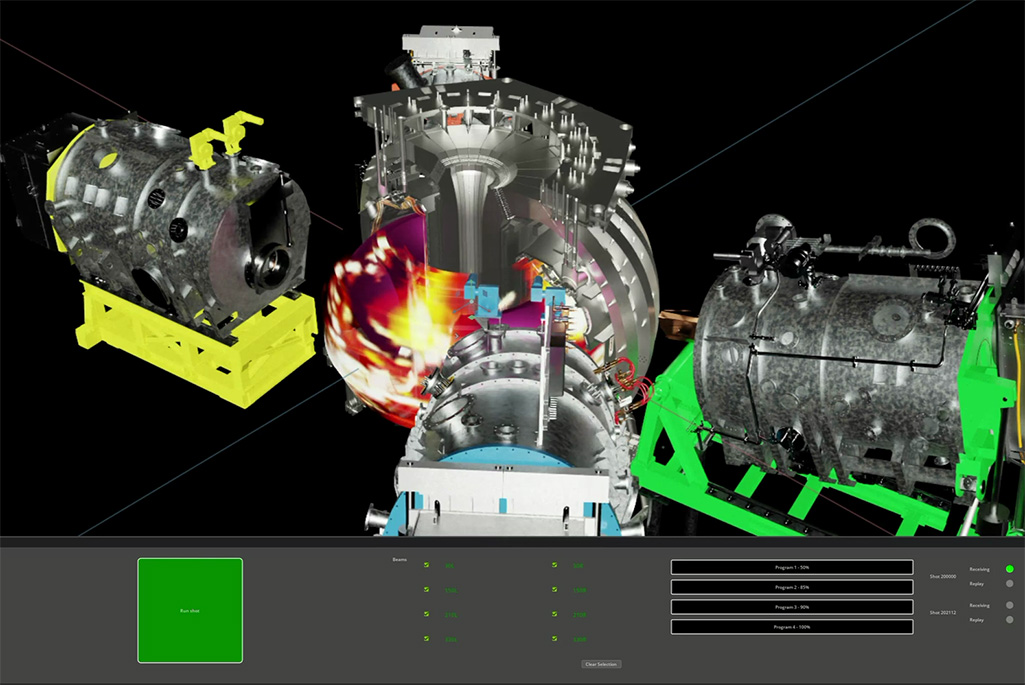
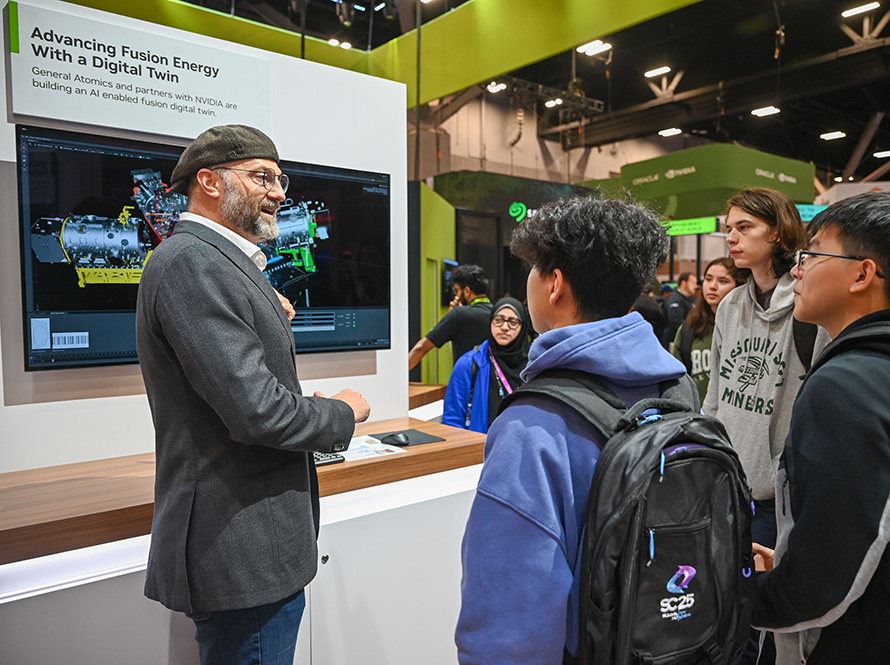
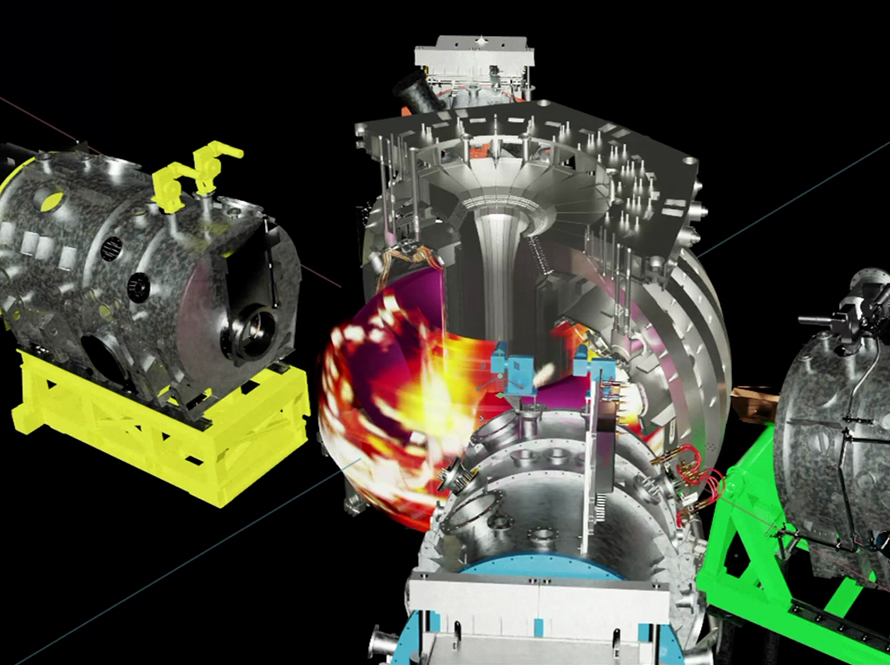
General Atomics, NVIDIA, and collaborators from across the DOE complex have developed an AI‑enabled digital twin of the DIII‑D National Fusion Facility to help unlock fusion energy. This interactive virtual fusion device combines sensor data, physics‑based simulations, engineering models, and fast AI surrogates to let scientists test “what‑if” scenarios, refine plasma control strategies, and optimize reactor designs. To make this possible, fusion data moves through DOE’s high-speed data network, ESnet, to DOE supercomputers Polaris at Argonne and Perlmutter at Berkeley Lab’s National Energy Research Scientific Computing Center (NERSC), where key AI models are trained — reducing plasma behavior prediction times from weeks to seconds.
What’s next for digital twins?
While some of Berkeley Lab’s digital twins are already set to guide experiments, others are still in research and development. Researchers across disciplines are adapting methods from existing physics and energy models to unlock more powerful experiments.
Developing biological digital twins to accelerate biofuel production
The Advanced Biofuels and Bioproducts Process Development Unit (ABPDU) is developing a biological digital twin to model the scaled production of lipids for jet fuel from engineered microbes. Modeling living microbes within a bioreactor is more complex than modeling purely physical or chemical systems, since microorganisms constantly grow, divide, produce materials, and die, all within communities that interact in ways that are more difficult to predict.
Funded by DOE’s Advanced Fuels and Feedstocks Office, the researchers are developing novel methods to obtain imaging and phenotypic data to integrate with large, genome-wide omics datasets. Separately, the team will combine mechanistic models, which evaluate bioreactor design and performance, with machine-learning models that can analyze datasets to develop their digital twin. This hybrid approach uses high-performance computing facility Perlmutter at NERSC for large-scale simulations and will yield a richly structured ensemble model — much more predictive of technology performance than either type of model alone — allowing it to capture the complicated dynamics of microbial cultures. This research is a natural next step in ABPDU’s efforts to advance the science of scale-up and energy innovation.
“The global economy is changing as countries and markets rush to put biology to work in new ways. The U.S. has both the expertise and the opportunity to use AI and machine learning to gain a technological edge,” said James Gardner, Program Manager at the ABPDU. “This could help secure new intellectual property and grow domestic biomanufacturing capacity.”
A digital twin powering an AI agent to optimize particle accelerators
As the Advanced Light Source (ALS) transitions to the ALS-U era, the legacy injector complex must meet significantly more demanding beam stability and quality requirements. ATAP physicists at ALS are developing a digital twin to enhance performance and automate optimization of the injector, the initial section of the ALS accelerator complex. Funded by BES and aligned with the Genesis Mission, this AI/ML research effort aims to create a “virtual diagnostic”. This specialized type of digital twin will initially enable accelerator operators and physicists at the ALS to assess beam quality at the end of the injector without perturbing the beam or interrupting user operations, unlike the current method that relies on destructive measurements. In a subsequent step, building on top of a recently demonstrated AI-driven automated bootstrapping process for initial startup of the cold injector, this digital twin can then be employed by an agentic AI assistant capable of providing real-time insights and optimizing injector performance in an automated manner across various operational scenarios. This approach ensures that the performance of an aging and drifting injector remains optimized and stable during user operations without operator intervention or relying on interruptions to user beam conditions. Additionally, it will support the development of a comprehensive digital representation of the entire legacy ALS injector complex, ensuring its continued capability to provide for the brand-new and highly demanding ALS-U storage ring for many years to come.
Making digital twins adaptable across accelerator experiments
Berkeley Lab is also leading a multi-lab team to deploy AI/ML tools on DOE accelerator facilities, as one of the first demonstrations of the Genesis Mission’s American Science Cloud (AmSC) — a new DOE system to connect supercomputers, advanced networks, and user facilities across the national lab complex. Part of this effort will consist of generalizing the framework that was built for the BELLA Center digital twin prototype and deploying it using the infrastructure and APIs created under AmSC. By standardizing API interfaces and data-exchange, the research will allow tools to work for any type of particle accelerator across facilities without needing to be reconfigured, enabling digital twins and other models to be applied to different experiments. This work will be reinforced by another multi-lab team led by Berkeley Lab within the Genesis Transformational AI Models Consortium (ModCon), the Multi-Office Particle Accelerator Team (MOAT), which will further establish the technical foundation and collaborative framework for the ongoing AI-powered development of the DOE accelerator complex, sustaining U.S. leadership in accelerator science. In addition, this work seeks to leverage the connections with Berkeley Lab’s participation in the Genesis AI-Ready DOE Fusion Energy Sciences project on “Digital Twins and Data Integration for Accelerated Design and Operation of Inertial Fusion Energy Power Plant Systems,” led by Lawrence Livermore National Laboratory. For the American public, that means faster progress on national priorities.
“By making digital twins more adaptable and compatible across facilities, the Genesis teams will enable accelerated discoveries in various applications of particle accelerators, including energy, advanced materials, fundamental physics, and advanced medical technologies,” said Jean-Luc Vay, head of the Advanced Modeling Program in the Accelerator Technology & Applied Physics (ATAP) Division.
The ESnet, ALS, and NERSC are Office of Science User Facilities.
###
Lawrence Berkeley National Laboratory (Berkeley Lab) is committed to groundbreaking research focused on discovery science and solutions for abundant and reliable energy supplies. The lab’s expertise spans materials, chemistry, physics, biology, earth and environmental science, mathematics, and computing. Researchers from around the world rely on the lab’s world-class scientific facilities for their own pioneering research. Founded in 1931 on the belief that the biggest problems are best addressed by teams, Berkeley Lab and its scientists have been recognized with 17 Nobel Prizes. Berkeley Lab is a multiprogram national laboratory managed by the University of California for the U.S. Department of Energy’s Office of Science.
DOE’s Office of Science is the single largest supporter of basic research in the physical sciences in the United States, and is working to address some of the most pressing challenges of our time. For more information, please visit energy.gov/science.
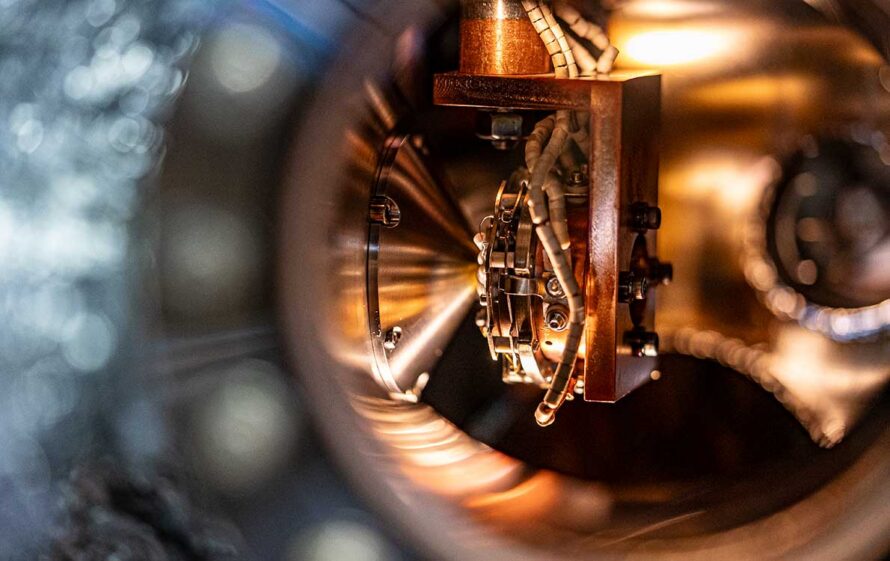
Science on the Double: How an AI-Powered 'Digital Twin' Accelerates Chemistry and Materials Discoveries
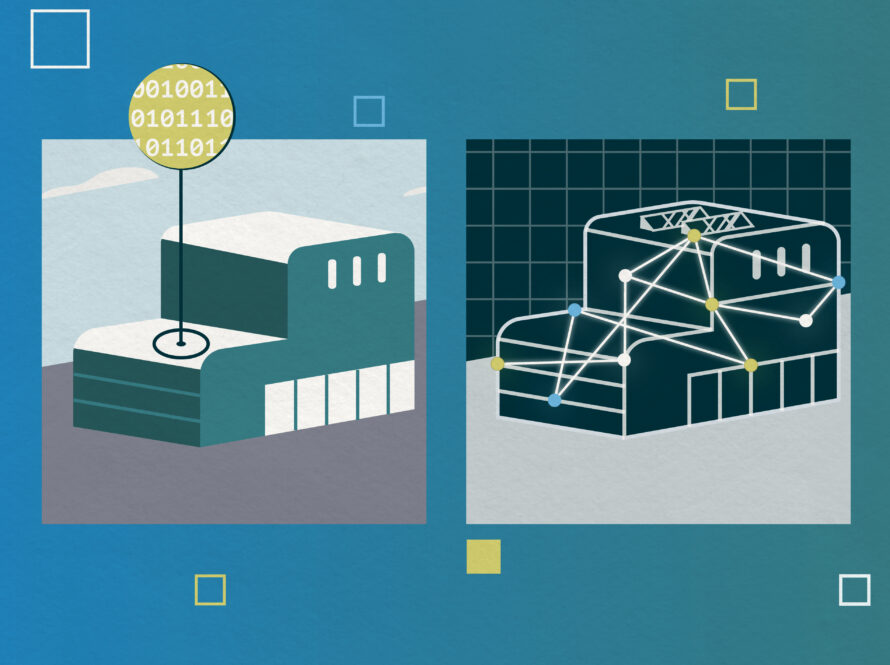
What Is a Digital Twin?