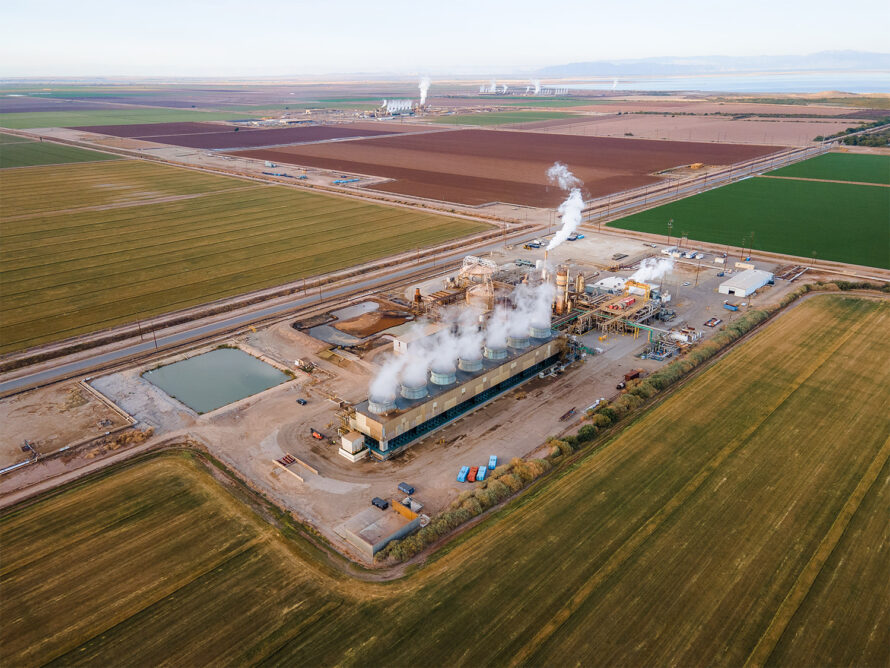

Modern life is built on critical minerals and materials. These elements are key ingredients in the technologies that enable a high quality of life, such as the chips and batteries powering our electronics, the medical devices that diagnose and treat diseases, and the infrastructure of the nation’s power grid. The materials are also used to manufacture defense technologies, fuels and chemicals, aerospace vehicles, and automotives.
Although the U.S. has geological resources of many critical minerals and materials (CMMs), some key commodities are only found in challenging forms, either scattered in trace amounts, chemically mixed with other elements, or both. The extraction, separation, and refining processes needed to convert these raw materials into purified products ready for manufacturing are expensive, complex, and energy intensive.
What makes something a critical mineral?
The term “critical mineral” is used to refer to any non-fuel commodity that is essential to the economy or national security, as well as widely needed substances with vulnerable supply chains.
Examples of critical minerals and materials include the elements needed to make semiconductors such as gallium, arsenic, and indium, and battery ingredients like lithium, cobalt, nickel, and manganese. Other CMMs have distinctive magnetic, optical, electronic, and catalytic properties that are useful in many applications, including industrial fuel and chemical manufacturing, high-energy lasers, sensors, thermal-barrier coatings, medical imaging, and cancer therapies.
Building strong domestic supply chains to support the growing demands of U.S. industries involves solutions beyond simply “mining more.” New technologies and approaches are needed to better process conventional CMM sources and to harvest from unconventional sources, like lithium-based clays and recycled products, which are not being tapped to their full potential.
Scientists at the Department of Energy’s Lawrence Berkeley National Laboratory (Berkeley Lab) are addressing these challenges on all fronts. Drawing on expertise in chemistry, Earth sciences, materials science, technoeconomic analysis, artificial intelligence, process scaling, and biology, teams are developing tools and techniques that will allow industrial partners to identify new critical mineral sources and efficiently extract and process elements from rock, soil, and water — or to recover valuable materials from used products and industrial waste streams.
“The central obstacle to critical materials production in the U.S. is the cost, which is elevated by the processes needed to transform mined or collected materials into purified product, especially when we have to work from unconventional raw materials,” said Robert Kostecki, director of Berkeley Lab’s Energy Technologies and Systems Division. “A reliable domestic supply requires breakthrough technologies i.e., new ways to separate, concentrate, and process the resources we actually have here at a globally competitive cost.”
Peter Nico, director of the Energy Geosciences Division, added, “Finding new sources of critical minerals and designing and optimizing new techniques for extraction and recovery requires a huge range of scientific expertise, and those approaches must work for industry in the real world. Berkeley Lab exists to bring researchers together to work on a problem collaboratively, and bring a solution to fruition. We’re moving the needle on critical minerals, which have become a huge priority for the country’s energy security.”
These ongoing projects represent Berkeley Lab’s expanding portfolio of research, which promises to accelerate all phases of the critical minerals pipeline, from acquisition of raw material to separation to product development and recycling.
Accessing critical minerals in rock and soil
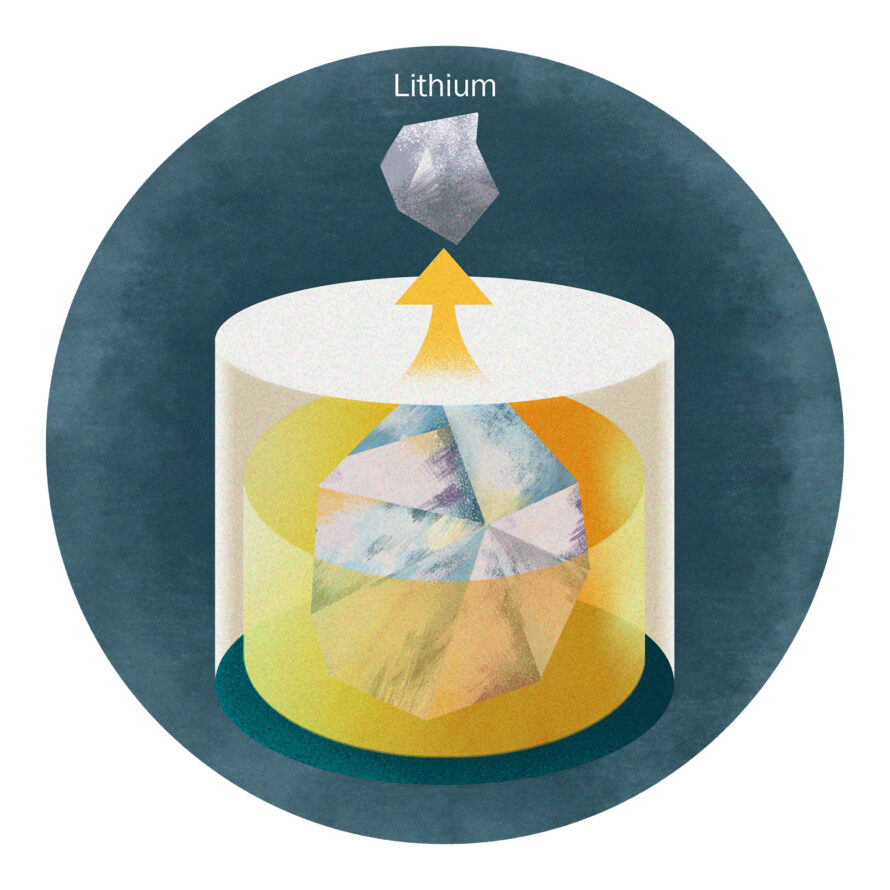
Lithium is in wide demand for many industrial and medical applications, and is a critical component of batteries. The most abundant solid source of lithium worldwide is a crystal-forming mineral called spodumene, which also contains aluminum and silica (silicon dioxide). The traditional methods to separate lithium from the other elements in spodumene involve treating the mineral with high heat — over 1,000 degrees Celsius — followed by leaching in a bath of strong acid. Scientists in Berkeley Lab’s Energy Sciences Area (ESA) and Earth and Environmental Sciences Area (EESA) have developed a method to extract lithium from ground spodumene by mixing it with simple ingredients and baking it at lower temperatures, followed by a water rinse and filtration. The process has promise to generate high yields while reducing cost and environmental impact by lowering energy demand and moving away from harsh chemicals.
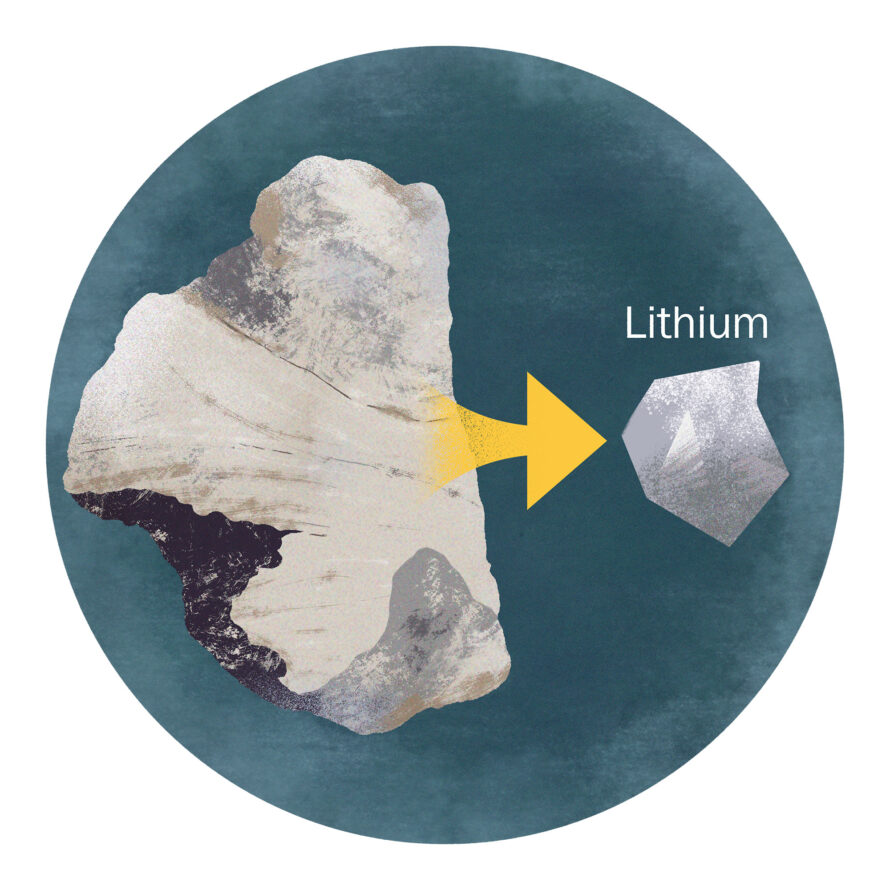
In the U.S., the most substantial lithium deposits are in the form of lithium-rich sedimentary rock found throughout the West, but extraction has long been considered uneconomical. A team from the Energy Technologies Area (ETA) has developed an approach to separate lithium from hectorite, a sedimentary stone made from hardened and compressed clay that is estimated to contain 7% of the global supply. The scientists’ method involves adding black carbon to the lithium clay and using an electric current in a water-based solution to break down the material’s structure and liberate lithium ions, all at room temperature. The new electrochemical approach could be more cost effective and use less energy and fewer corrosive chemicals than what is required by current clay extraction techniques, providing a pathway to unlocking a huge, untapped resource.
Separating elements in natural and industrial water sources
Critical minerals and materials including magnesium, zinc, boron, neodymium, and an estimated 60% of the world’s lithium can be found in salty waters called brines, a category that encompasses natural bodies like underground reservoirs as well as water leftover from mining, geothermal energy systems, or other industrial processes. But extracting specific elements from brines is challenging with the current technologies, which are often resource-intensive, slow, and recover low yields of impure product.
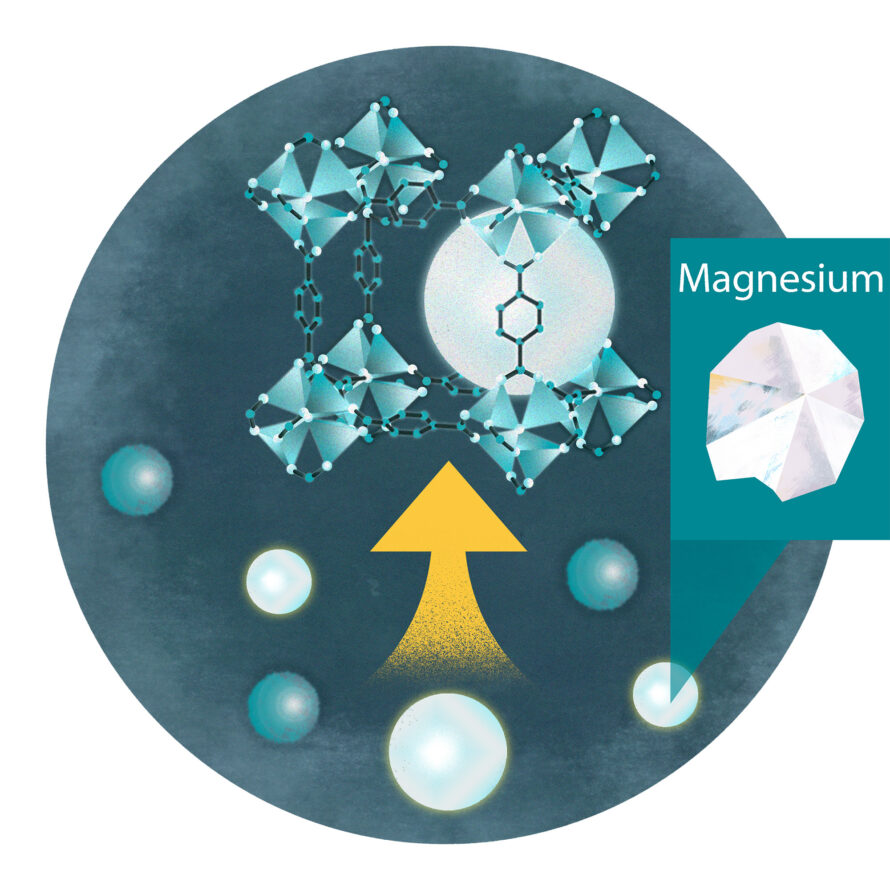
A collaborative team from ETA and ESA has developed a new material, described in a recent paper in Science Advances, that could remedy one of the biggest hurdles in brine extraction: separating lithium from magnesium. The two elements are physically and chemically similar enough to remain together after other minerals have been removed. Techniques to recover just lithium from a complex mixture only work when there is less magnesium present, which is not the case in many brines, and current methods for separating mixtures of the two elements are inefficient, requiring repeated steps for middling yields while generating hazardous waste. The team’s niobium-based metallic “sponge” rapidly sucks magnesium from mixtures, turning it into a solid product, and leaves purified lithium in the water. Small-scale tests at a wide range of different concentrations show the sponge consistently achieves more than 98% purity for both the magnesium and lithium recovered. The material can also separate manganese and zinc – two of the costliest elements to remove from geothermal brine. Although the product itself requires a critical material, niobium, it can be emptied and reused multiple times without loss of performance. The sponge could provide significant net benefits by allowing operators to produce and sell lithium and other pure byproducts while reducing the amount of single-use reagents needed in the purification steps. Single-use chemicals are currently the largest cost driver in domestic lithium production.
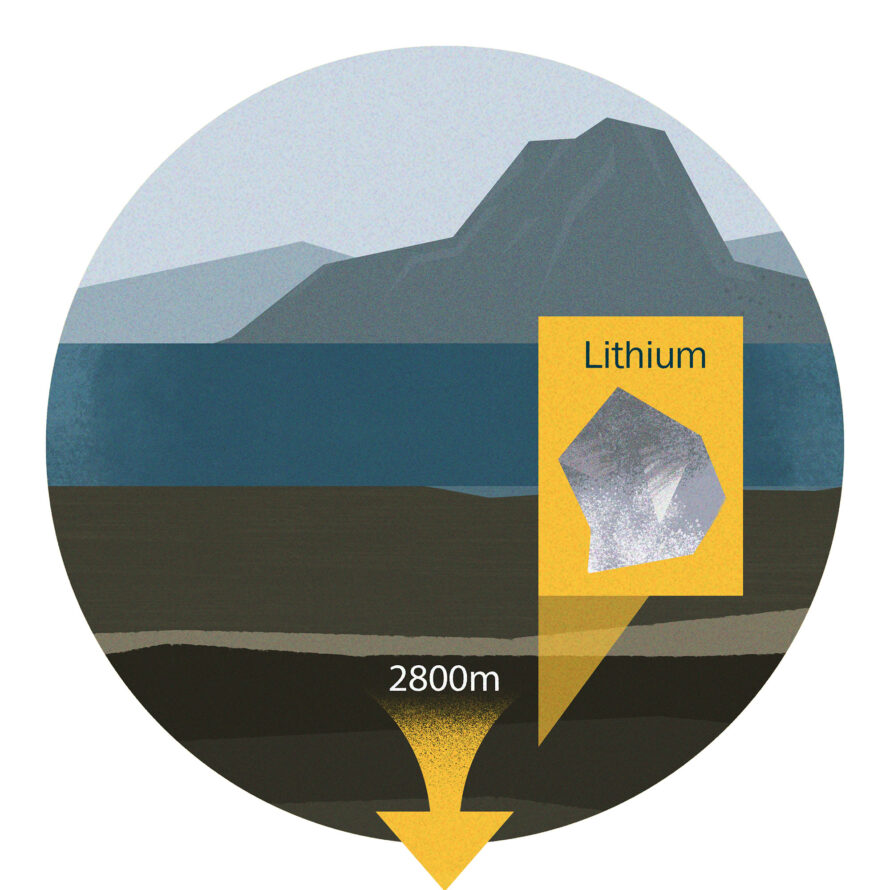
Following up on work analyzing lithium-rich geothermal brines in California’s Salton Sea geothermal field, an EESA team is studying the lithium present in much deeper parts underneath the Salton Sea conventional geothermal field and in formations along the Gulf Coast. They’re simulating the chemical exchange between rock and water to decipher the origin and transport paths in the geothermal reservoir and in the oil and gas reservoirs where the most concentrated brines can be extracted at depths where temperatures reach above 350 °C.
Recycling critical minerals and materials
Due to the difficulty of mining rare-earth minerals, maximizing the domestic supply will require the recycling of materials from existing products and the recovery of leftover elements mixed in with the waste generated by industrial processes and mining.
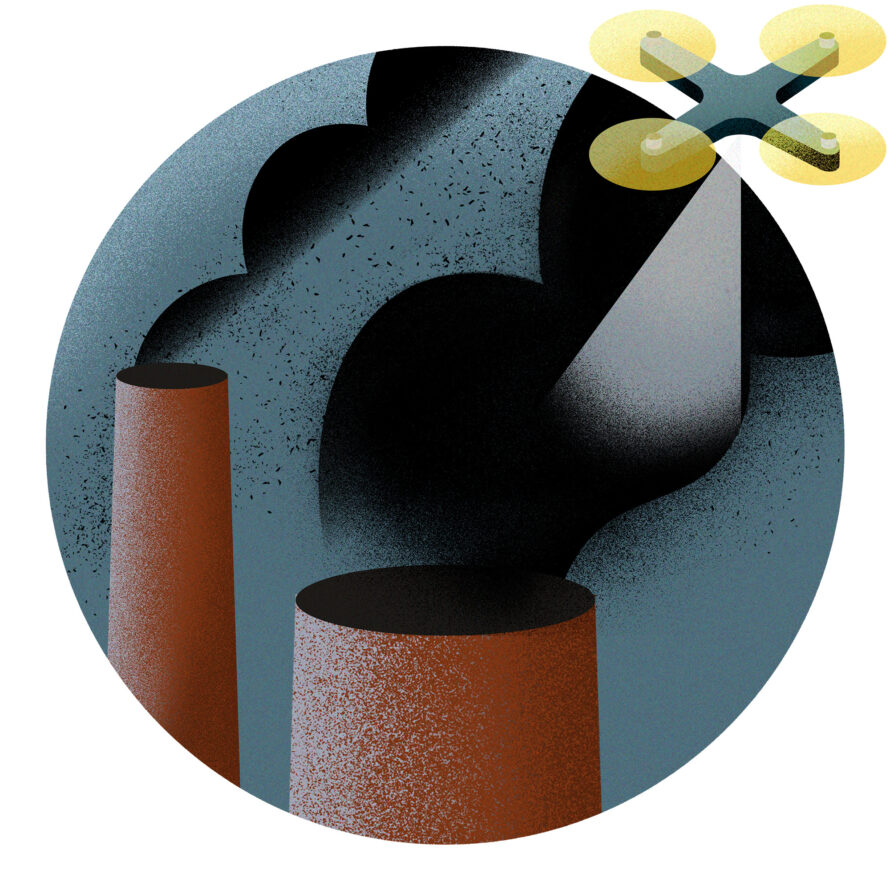
The first hurdle to reclaiming critical minerals and materials from waste sources like mine tailings or coal fly ash — the powdery dust leftover from coal power plants — is finding areas that have a high enough concentration of valuable product to make separation practical. Identifying elements that are highly diluted and often bonded in complex chemical mixtures within large volumes of solid and liquid waste will require specialized, sensitive equipment. A new project from scientists in EESA, the Physical Sciences Area, and the Computing Sciences Area seeks to create a one-stop-shop detection system with a suite of advanced sensor technologies that detect visual, electromagnetic, chemical, and radiological signatures of critical minerals with a machine learning algorithm that can integrate and interpret the data. The versatile tool is being designed for use on terrestrial and aerial vehicles for surface waste mapping across a broad range of environments, with the goal of reducing the time and cost of identifying “hot zones” of critical mineral concentrations.
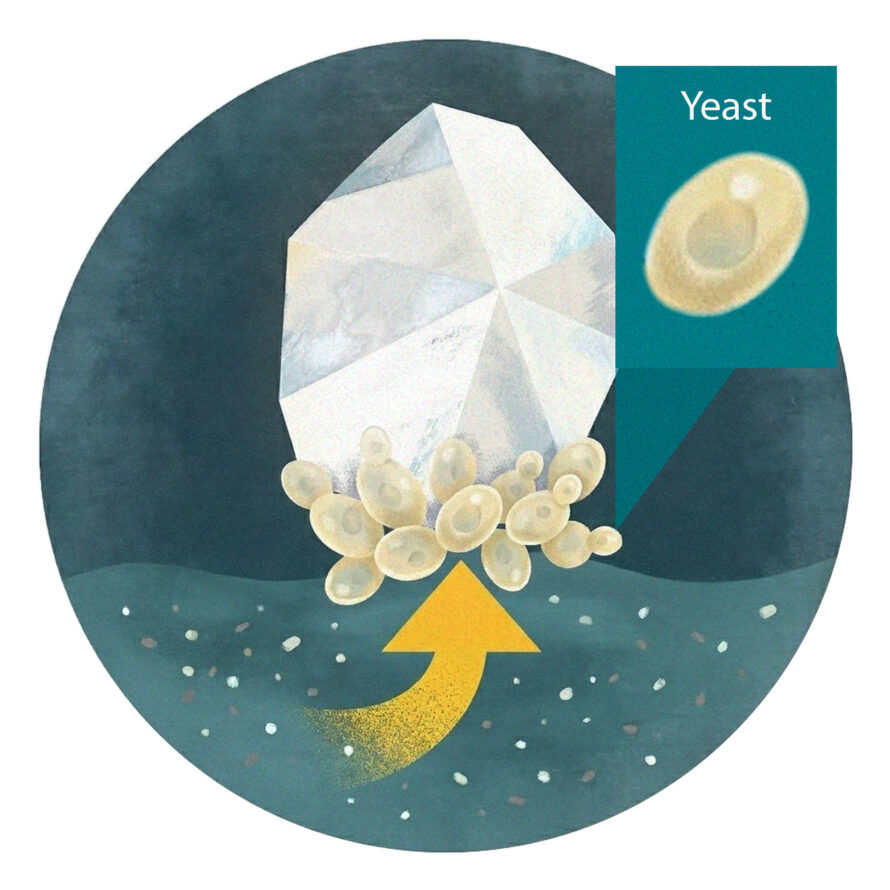
Microbes are also being put to work in the critical minerals industry. A team of synthetic biologists and materials scientists engineered a strain of yeast that can mimic the bone-formation process used by specialized animal cells, inducing the single-celled organisms to grab calcium and phosphorus from their environment and build crystals of hydroxyapatite — the main component of bone and teeth. The scientists, from the Joint Genome Institute and Molecular Foundry, both DOE user facilities, propose applying their prolific microbes at wastewater treatment plants to separate ammonia and phosphorus from urine in wastewater, as these minerals currently require costly neutralization before the water can be released into the environment. The valuable hydroxyapatite produced by the yeast could further offset wastewater treatment costs. The researchers also note that the microbes could be designed to grab and store other minerals dissolved in water, providing an avenue to recover the valuable elements that are found in mining wastewater but difficult to extract due to their dilution.
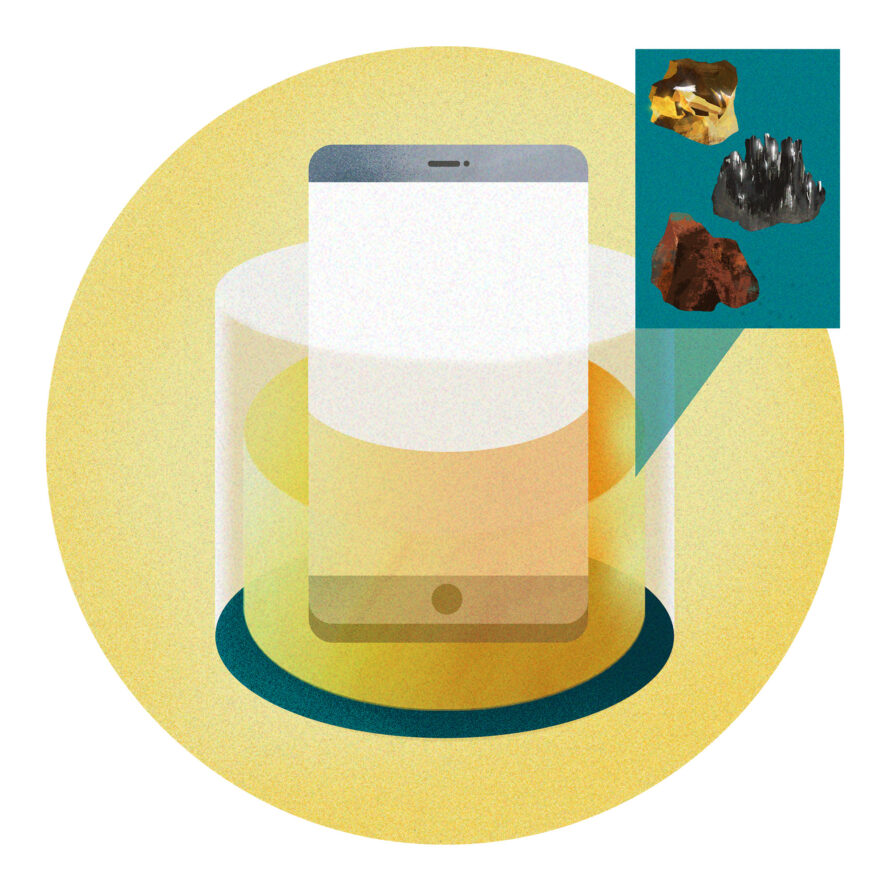
Currently, the process to recover valuable metals from recycled electronics involves dissolving discarded devices in acids, then separating out the different components using solid or liquid materials that only bind to specific elements. This process works well for many metals, but none of the previously developed binding agents selective to rare-earth elements can function in such acidic environments. ESA scientists have invented a biology-based approach to fill this need. A sheet of protein crystals derived from engineered bacterial cell walls is bound with a repeating pattern of inorganic chemical tags that grab onto rare-earth elements. In early tests, the hybrid material functioned well in simulations of real-world recycling processes and showed high selectivity for rare-earth elements. Moreover, the material can be reused multiple times by washing off the captured metals with citrate, a safe natural salt made from citric acid.
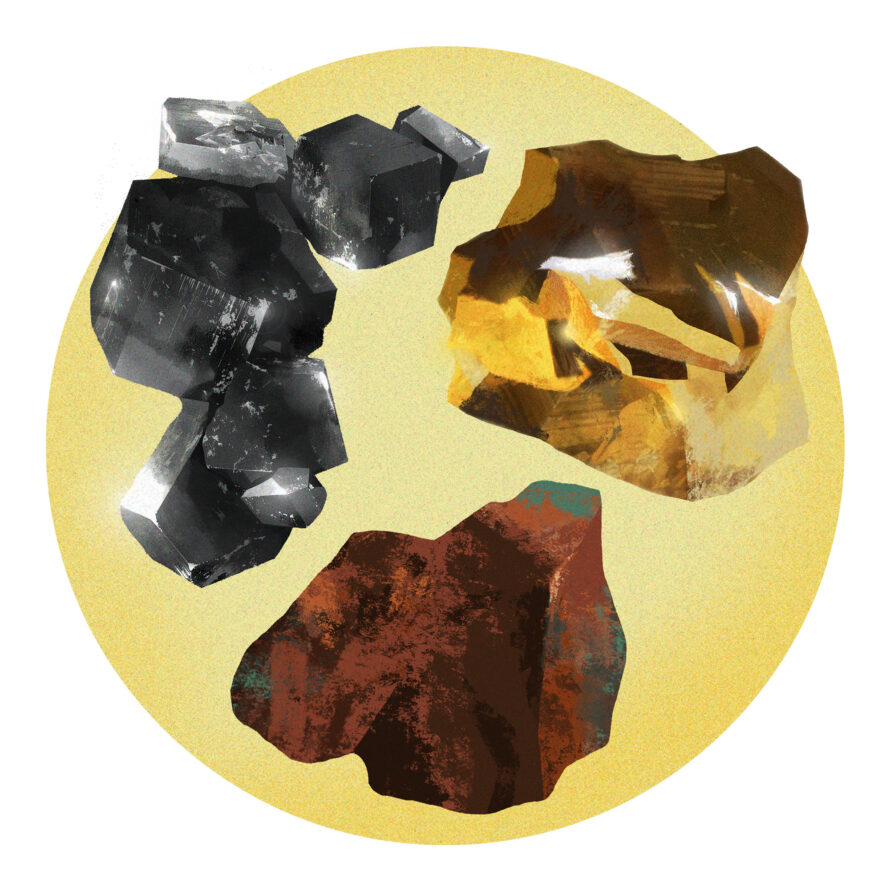
Sunchem, a company founded by former Berkeley Lab research assistant Daniel Sun, is pioneering sustainable methods to recover gold, copper, and other critical metals from waste. Built on metal-organic framework (MOF) technology developed at the Molecular Foundry, Sunchem’s technologies enable high-purity metal recovery without toxic chemicals or energy-intensive smelting. After joining DOE’s Cyclotron Road program, an entrepreneurial fellowship based at Berkeley Lab, Sun used tools at the Molecular Foundry to scale Sunchem’s technology to industrially relevant conditions and demonstrated recovery of 99.99% pure gold from electronic waste like circuit boards and 99% pure copper from mining wastewater. The company’s innovations may not only cut costs and reduce environmental impact, but also unlock previously unusable sources, such as arsenic-contaminated copper deposits.
Projecting costs and impacts for real-world application
Scientists at Berkeley Lab are also experts in technoeconomic analysis (TEA) and lifecycle assessment (LCA), approaches that comprehensively evaluate and model the total costs and potential environmental impacts behind a product or activity. TEA and LCA allow policy makers to understand which new critical minerals recovery processes are worth investing in by forecasting the benefits, risks, and cash flow before the process has been developed and scaled to commercial levels.
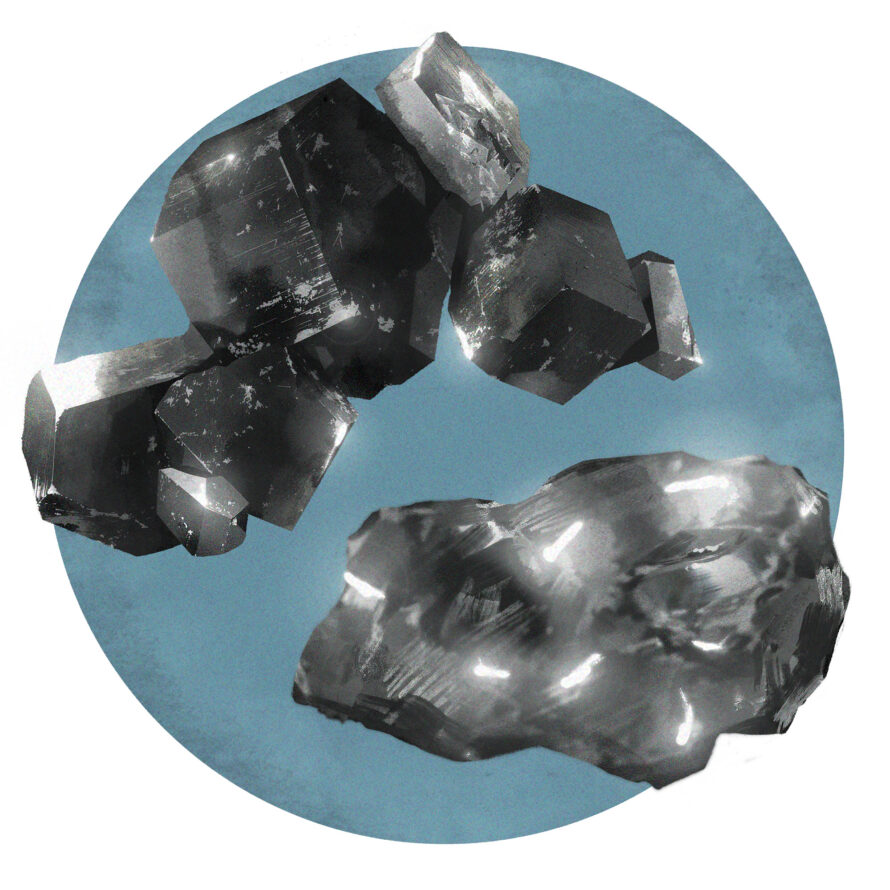
An ETA team recently performed a TEA for gallium that examined the entire lifecycle, from extraction from raw aluminum and zinc ores into common consumer products like light-emitting diodes (LEDs) and chips. The study shows that the nation’s dependence on Chinese gallium imports can be broken before the end of this decade if the element is recovered from industrial waste streams. They found that just one alumina refinery in Louisiana and one zinc smelter in Tennessee already generate enough waste to cover all projected U.S. gallium demand through 2035, and that extracting the element — alongside germanium, another critical mineral — from these domestic residues could be cost-competitive with today’s import prices. Recycling chips, LEDs, and solar cells remains more expensive, but could meet as much as half of future needs.

The economics of recovering critical minerals and materials from recycled batteries was evaluated by ETA scientists in a recent study published in Nature Communications. The analysis compares domestic recycling pathways with international and U.S. primary material supply and finds that battery recycling has the potential to support a cost-competitive domestic source of critical battery materials as end-of-life battery volumes grow over time. The study shows that technologies for efficiently separating and recovering lithium, nickel, cobalt, and manganese from black mass, the intermediate product generated during battery recycling, are already technically mature. However, achieving cost parity with imported materials will depend on large-scale deployment of recycling facilities and continued reductions in unit costs as capacity expands and market conditions evolve.
Upcoming work
A team at Berkeley Lab’s Advanced BioProcess Development Unit (ABPDU) recently began engineering organic molecules and entire microbes to extract critical minerals from liquid waste, such as mining wastewater. The biologists and chemists are using AI tools to speed up the discovery and testing phases.
Another project, from bioscientists at ABPDU, the Joint Genome Institute, and the Joint BioEnergy Institute, seeks to design a microbial process to separate rare-earth elements from dissolved e-waste. The scientists are engineering a microbe to selectively bind these elements from their environment in a bioreactor, and designing processes for efficient separation and purification. This work is funded by the Laboratory Directed Research & Development (LDRD) program.
A new LDRD project in EESA seeks to build an AI program that can help scientists develop chemical processes to extract critical minerals from coal tailings, the small-grained material left over from coal processing. The tool is based on R&D 100 Award-winning software.
###
Lawrence Berkeley National Laboratory (Berkeley Lab) is committed to groundbreaking research focused on discovery science and solutions for abundant and reliable energy supplies. The lab’s expertise spans materials, chemistry, physics, biology, earth and environmental science, mathematics, and computing. Researchers from around the world rely on the lab’s world-class scientific facilities for their own pioneering research. Founded in 1931 on the belief that the biggest problems are best addressed by teams, Berkeley Lab and its scientists have been recognized with 17 Nobel Prizes. Berkeley Lab is a multiprogram national laboratory managed by the University of California for the U.S. Department of Energy’s Office of Science.
DOE’s Office of Science is the single largest supporter of basic research in the physical sciences in the United States, and is working to address some of the most pressing challenges of our time. For more information, please visit energy.gov/science.
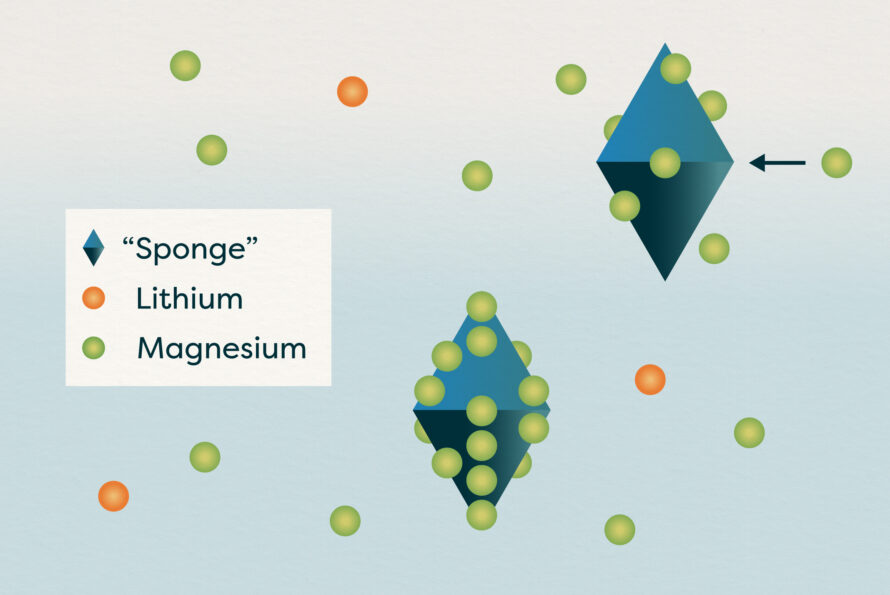
Improving Lithium Supply with a Reusable Metallic “Sponge”
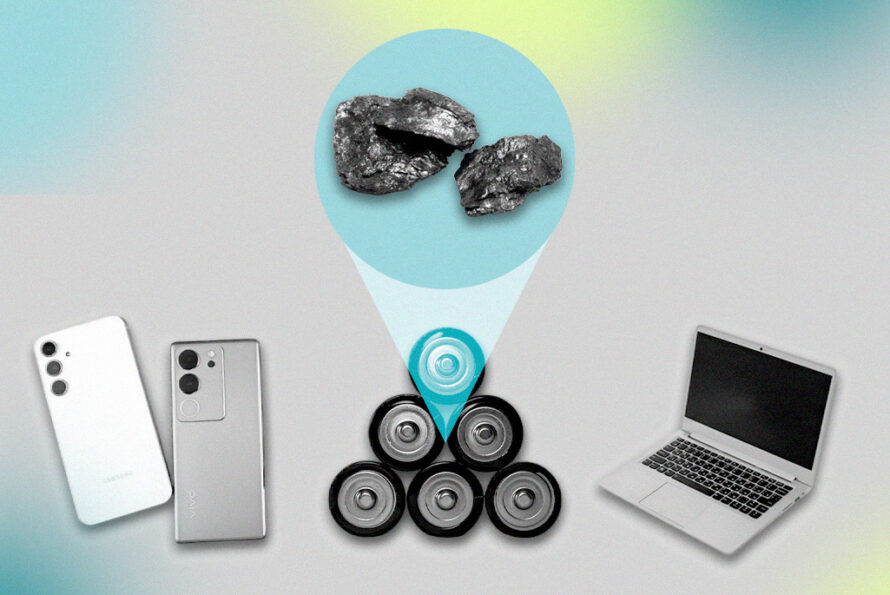
Pulling Graphite Out of Thin Air