All News

New Graphene-Based System Could Help Us ‘See’ Electrical Signaling in Heart and Nerve Cells

Image - This diagram shows the setup for an imaging method that mapped electrical signals using a sheet of graphene and an infrared laser. The laser was fired through a prism (lower left) onto a sheet of graphene. An electrode was used to send tiny electrical signals into a liquid solution (in cylinder atop the graphene), and a camera (lower right) was used to capture images mapping out these electrical signals. (Credit: Halleh Balch and Jason Horng/Berkeley Lab and UC Berkeley)

Study: Warming Could Slow Upslope Migration of Trees

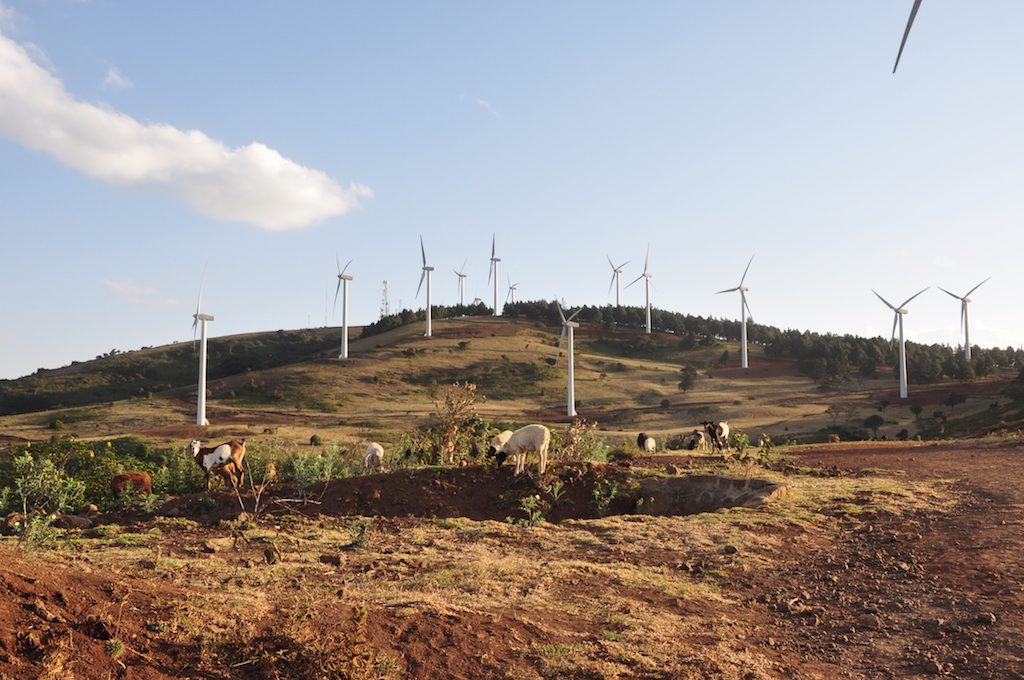
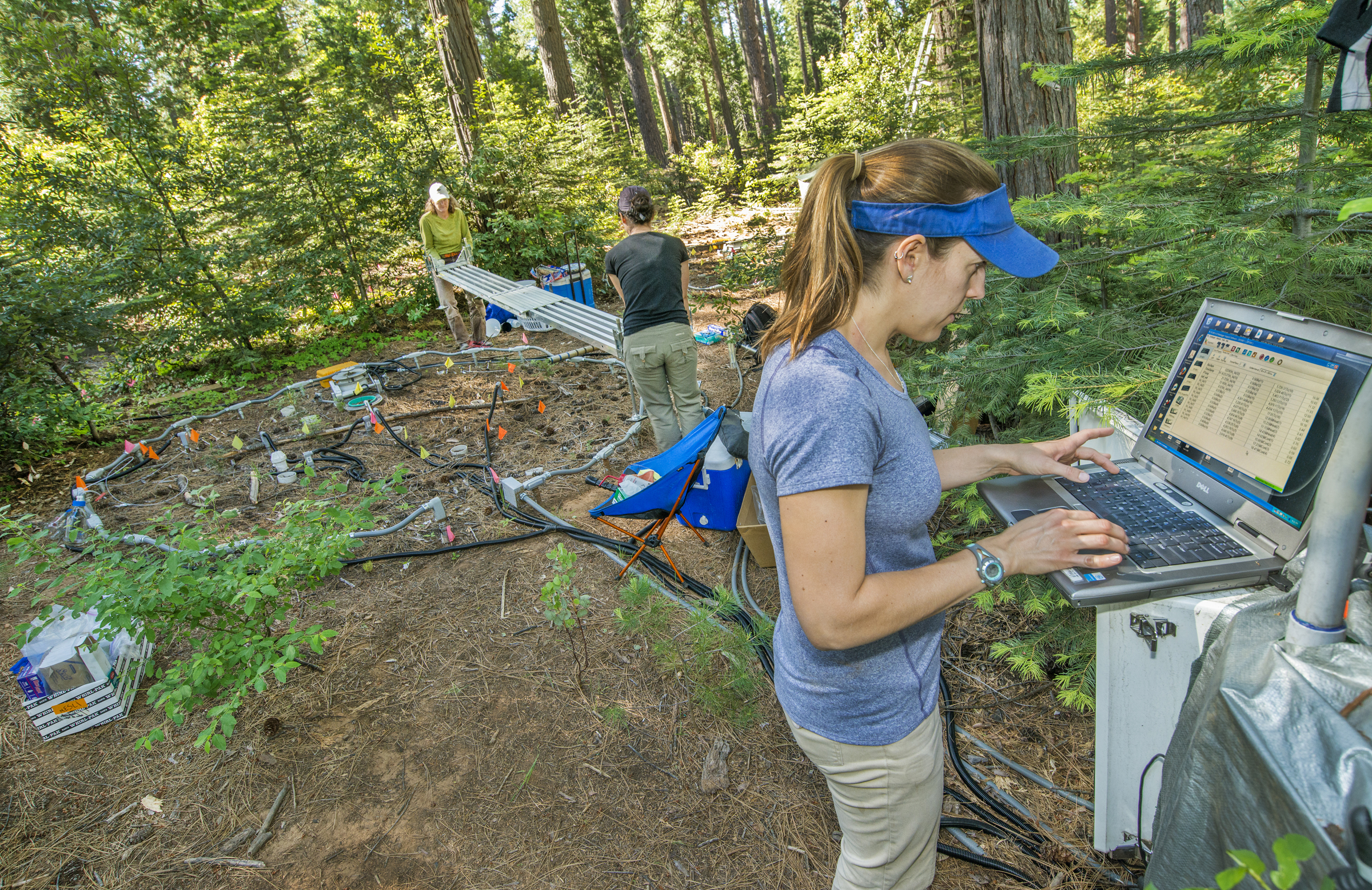
Research exploring how warming will alter the treeline

Scientists Measure Pulse of CO2 Emissions During Spring Thaw in the Arctic

Laser R&D Focuses on Next-Gen Particle Collider

Photo - Wim Leemans, director of Berkeley Lab's Accelerator Technology & Applied Physics Division, chats with graduate students Joost Daniels, left, and Kelly Swanson in the BELLA laser control room. Berkeley Lab’s BELLA Center is the site of a laser plasma wakefield acceleration R&D effort and other laser experiments that could help set the stage for a next-generation particle collider. (Credit: Paul Mueller)

Finding Diamonds in the Rough

7 Imaging Tools Pushing Science Forward

Glowing Crystals Can Detect, Cleanse Contaminated Drinking Water

Genes, Early Environment Sculpt the Gut Microbiome

Scientists Trace ‘Poisoning’ in Chemical Reactions to the Atomic Scale

Image - A scanning electron microscopy (SEM) image showing a type of catalyst called a zeolite that is used to convert ethanol to high-value fuels. The particles measure about 15 microns in length. (Credit: PNNL)

Five Berkeley Lab Scientists Named AAAS Fellows

X-Rays Capture Unprecedented Images of Photosynthesis in Action

A New Understanding of Metastability Clears Path for Next-Generation Materials