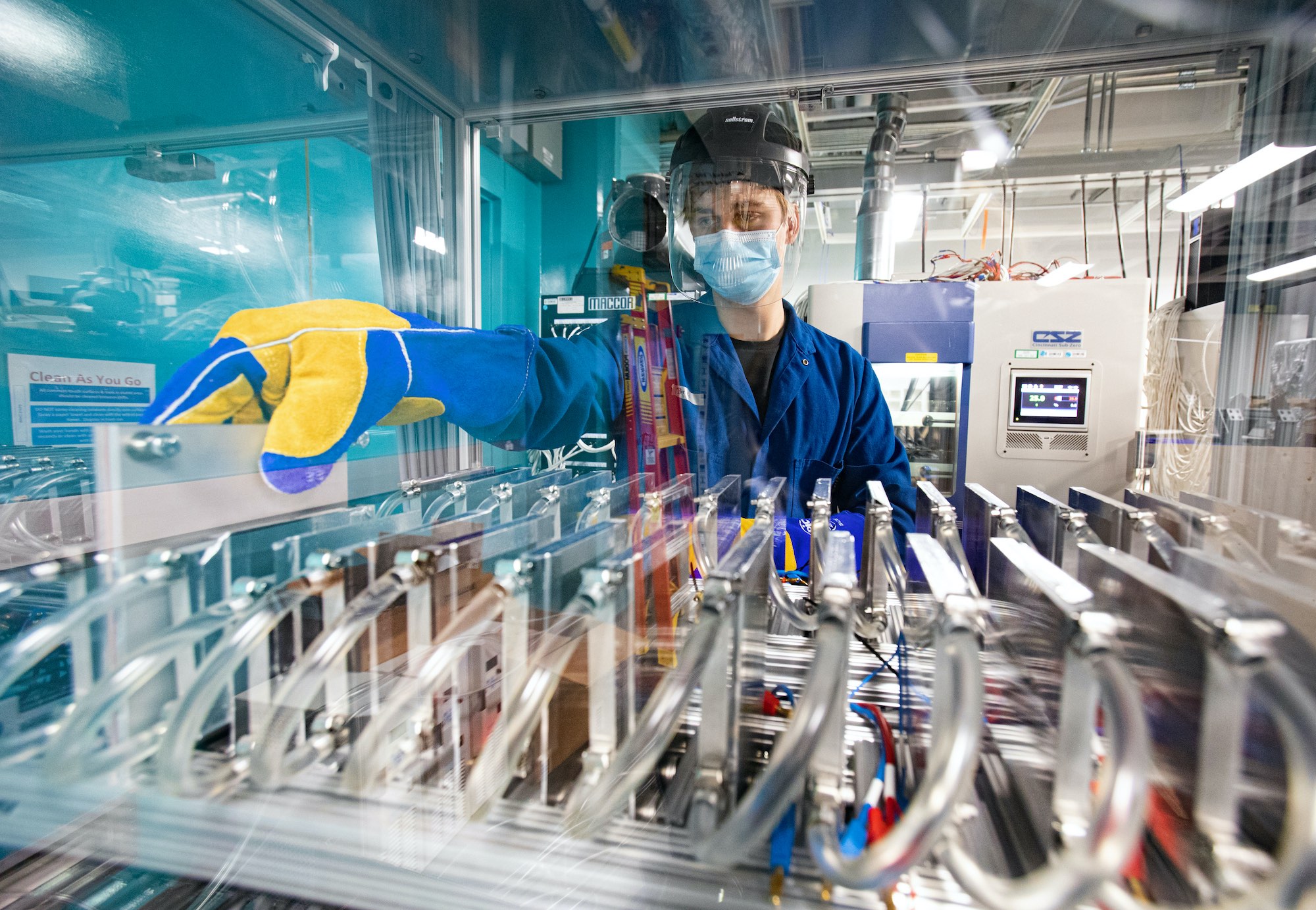
All News

Advanced Light Source Upgrade Project Achieves Major Milestone
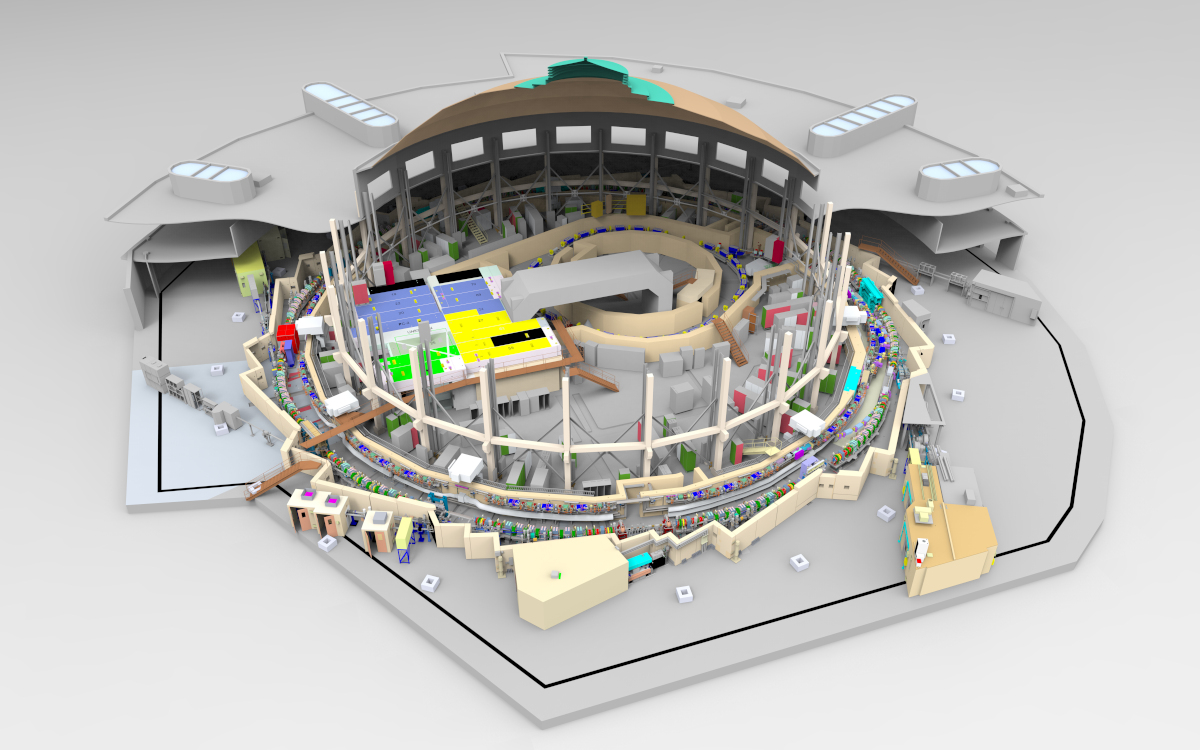
This cutaway rendering of the Advanced Light Source dome shows the layout of three electron-accelerating rings with beamlines. A new approval step in the ALS Upgrade project will allow the installation of the middle ring, known as the accumulator ring. (Credit: Berkeley Lab)

Experts’ Predictions for Future Wind Energy Costs Drop Significantly

Wind turbines along a hill

From Smoky Skies to a Green Horizon: Scientists Convert Fire-Risk Wood into Biofuel

forest fire

U.S. Power Sector is Halfway to Zero Carbon Emissions
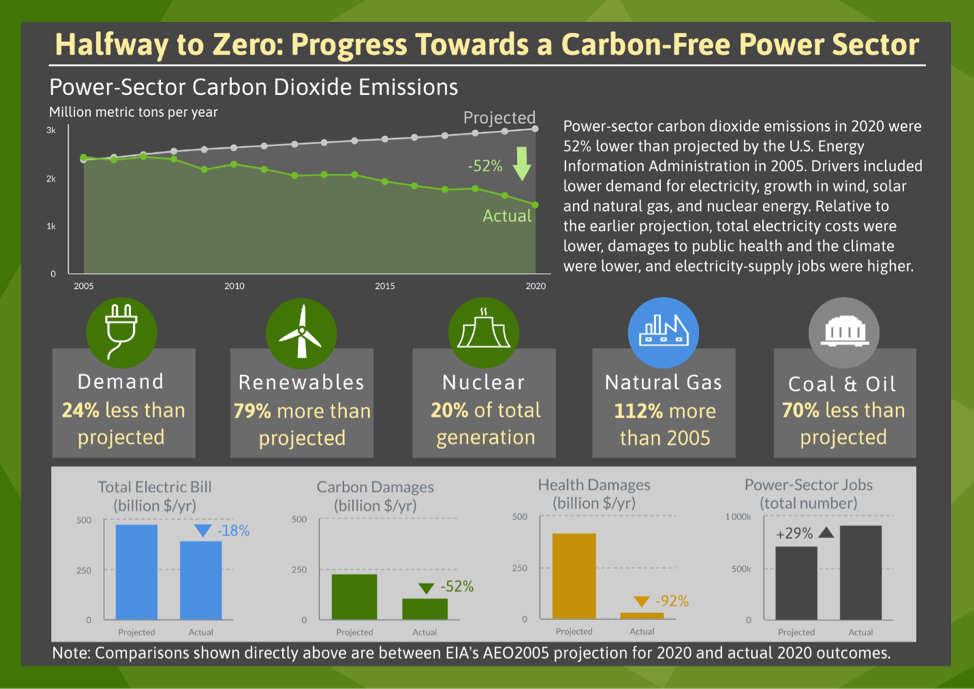
infographic on power sector emissions

X-Ray Study Recasts Role of Battery Material from Cathode to Catalyst
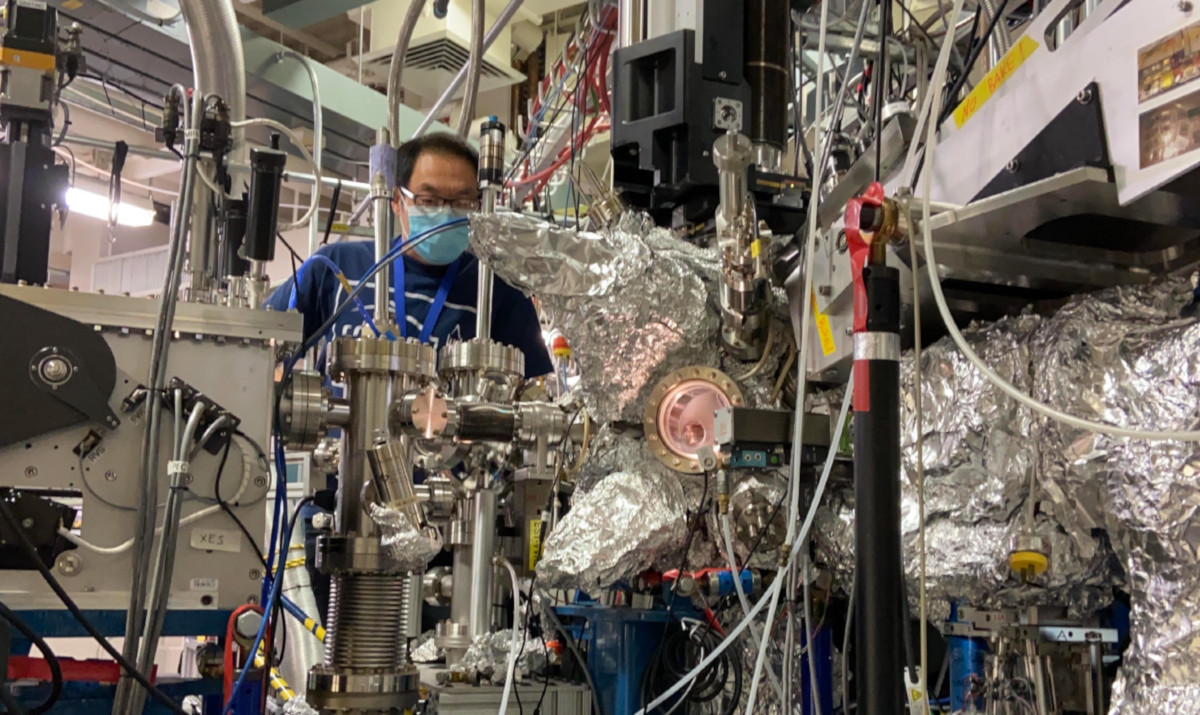
Wanli Yang, a senior scientist in Berkeley Lab’s Advanced Light Source, working on a resonant inelastic X-ray scattering (RIXS) system. Yang adapted the RIXS technique to study lithium-rich battery materials. (Credit: Wanli Yang/Berkeley Lab)

The Spintronics Technology Revolution Could Be Just a Hopfion Away
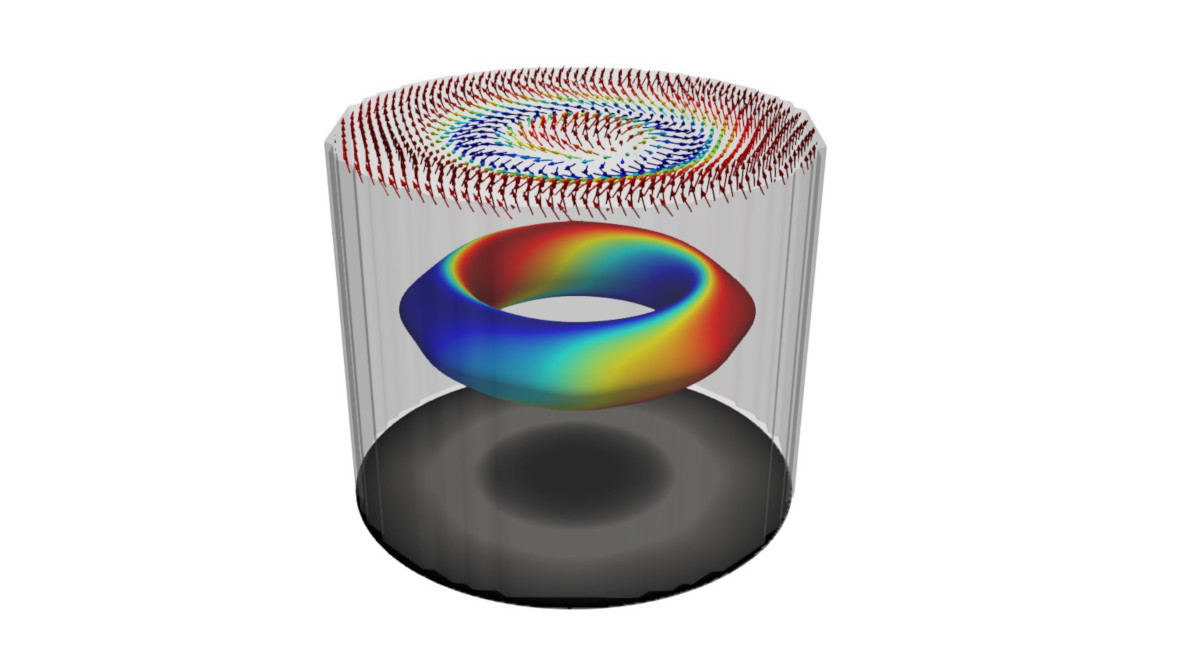
Artist’s drawing of characteristic 3D spin texture of a magnetic hopfion. Top layer shows a simulation of the spin structure viewed with surface-sensitive X-PEEM; bottom layer is a simulation of a bulk-sensitive X-ray transmission microscopy image; middle layer – colors indicate the varying direction of the spins showing the winding characteristic. (Credit: Peter Fischer and Frances Hellman/Berkeley Lab)

Hydrogen Offers Promising Future for Long-Haul Trucking Industry

stock photo of hydrogen fueling station

The Incredible Bacterial ‘Homing Missiles’ That Scientists Want to Harness

An artistic rendering of tailocins attached to a target bacteria

Designing Selective Membranes for Batteries Using a Drug Discovery Toolbox
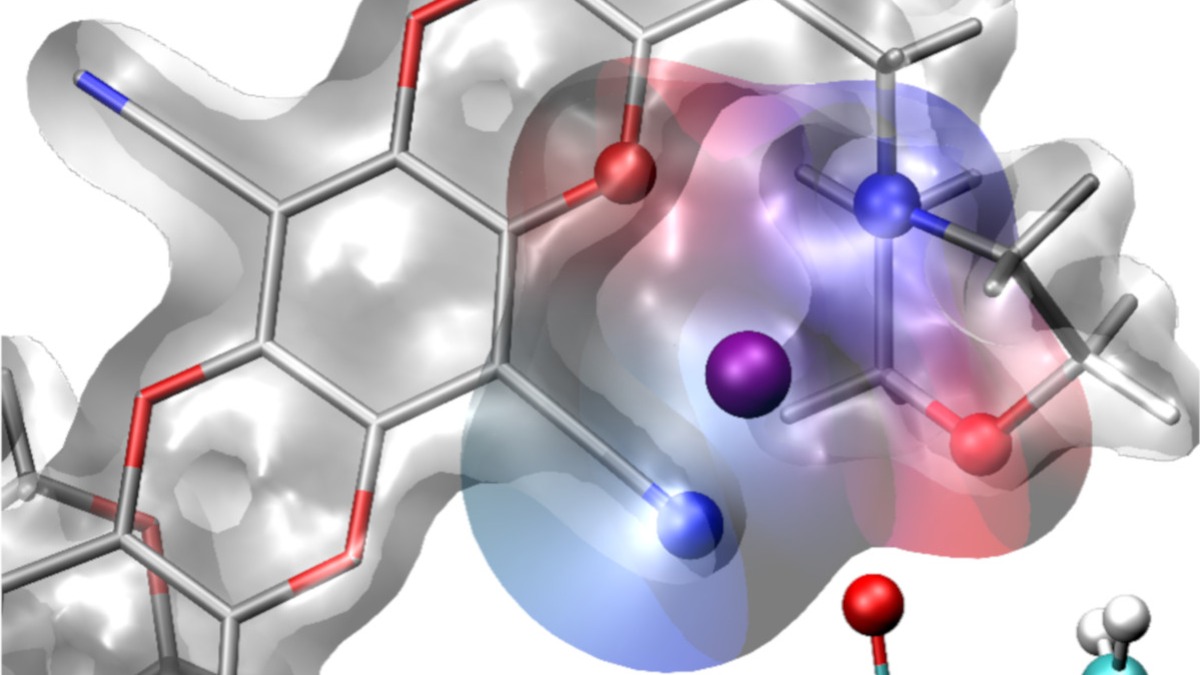
Illustration of caged lithium ions in a new polymer membrane for lithium batteries. Scientists at Berkeley Lab's Molecular Foundry used a drug-discovery toolbox to design the selective membranes. The technology could enable more efficient flows in batteries and energy storage devices. (Credit: Artem Baskin/Berkeley Lab)

Century-Old Problem Solved With First-Ever 3D Atomic Imaging of an Amorphous Solid
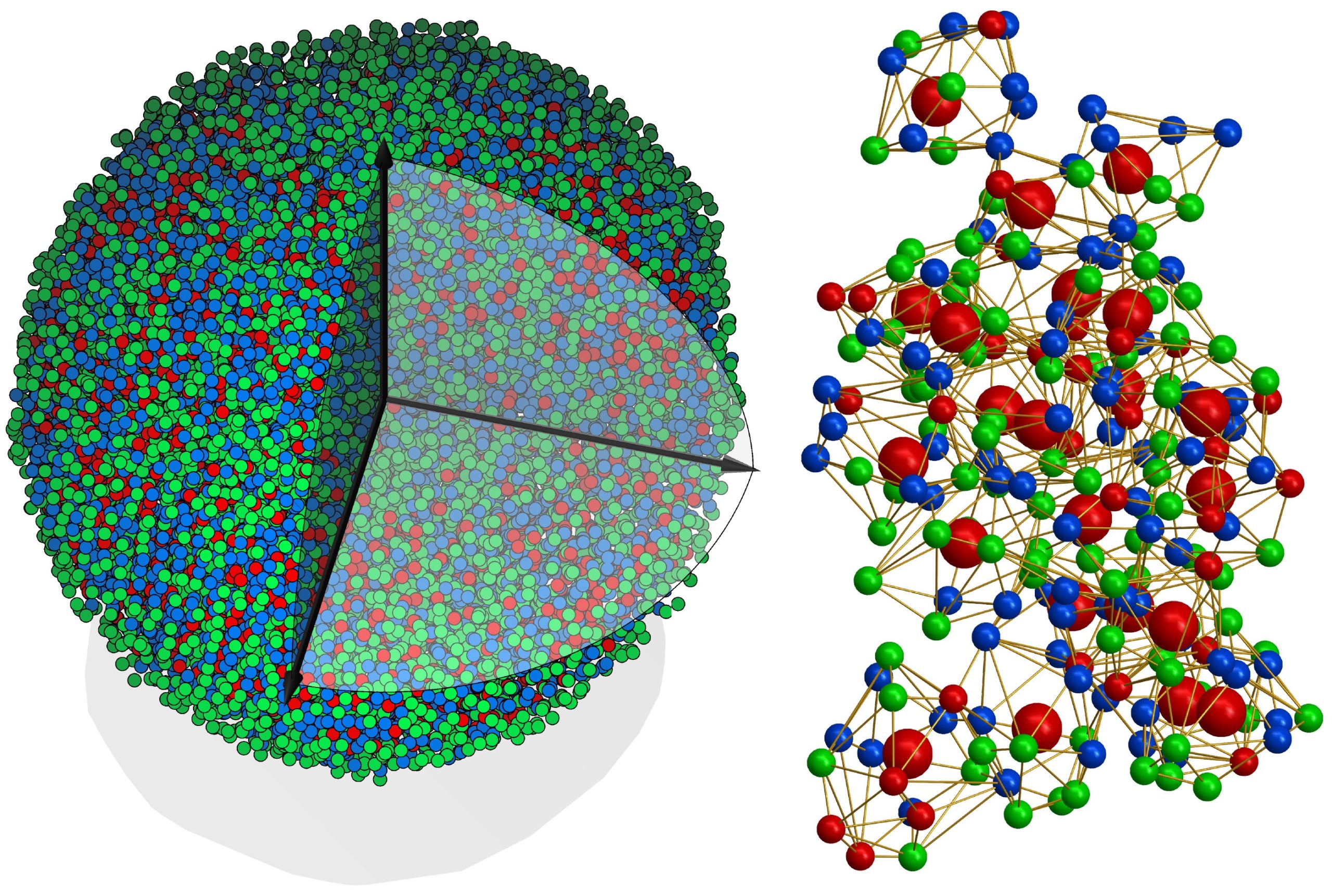
At left, an experimental 3D atomic model of a metallic glass nanoparticle, 8 nanometers in diameter. Right: The 3D atomic packing of a supercluster within the structure. Differently colored balls represent different types of atoms. (Courtesy of Yao Yang and Jianwei “John” Miao/UCLA)

This Hydrogen Fuel Machine Could Be the Ultimate Guide to Self-Improvement
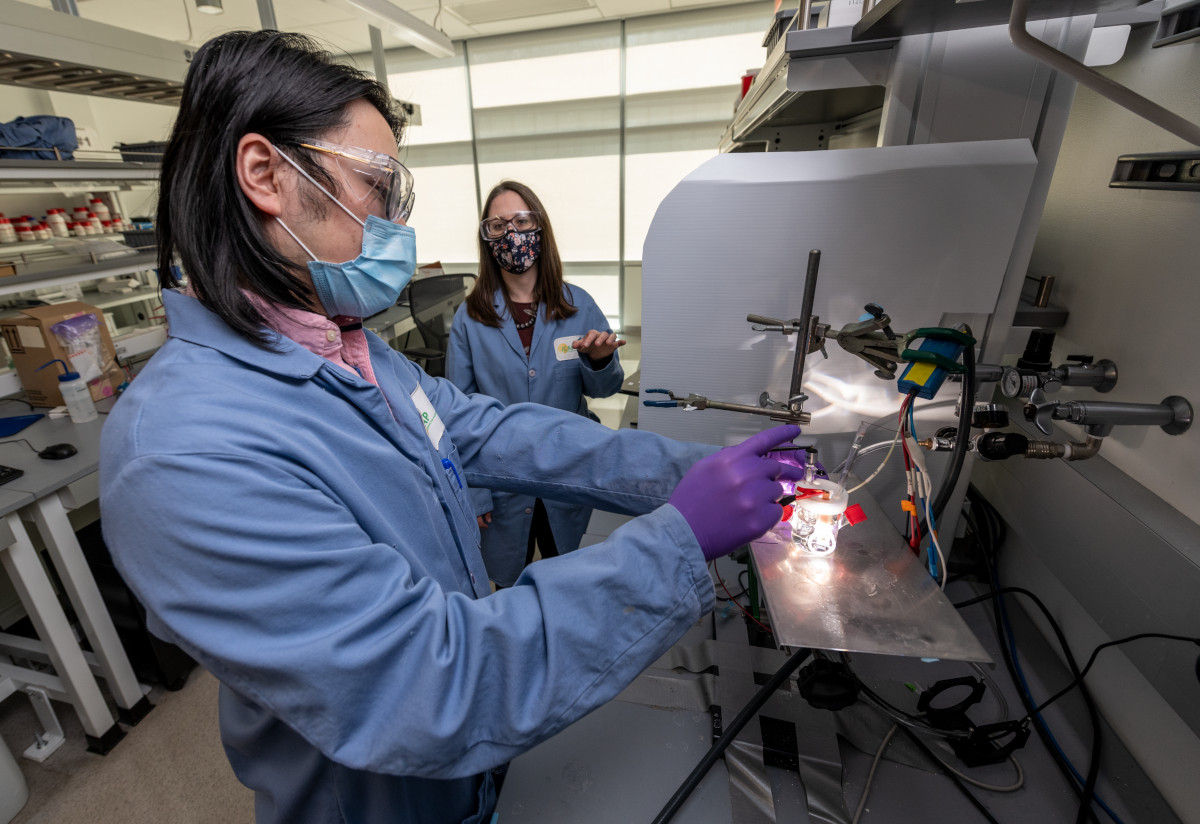
X-Ray Experiments, Machine Learning Could Trim Years Off Battery R&D