
All News

New Competition for MOFs: Scientists Make Stronger COFs
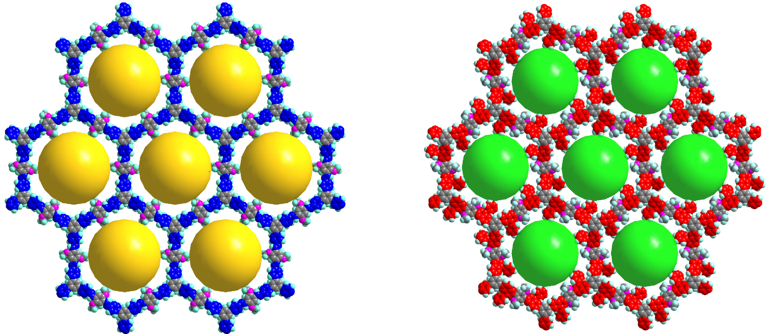
Image - At left is the simulated 3D molecular structure of a covalent organic framework, and at right is a modified framework. The yellow spheres in the structure on the left indicate a pore diameter of 2.9 nanometers, and the cyan spheres in the structure on the right indicate a pore diameter of 2.6 nanometers. (Credit: Berkeley Lab)

Pair of Research Products to Improve Power System Reliability and Resilience

2018 Berkeley Lab Physics Photowalk Winners Announced

Photo - "Shyh Wang Hall and Campanile." (Credit: Michael Dawson)

Berkeley Lab-Developed Digital Library is a Game-Changer for Environmental Research
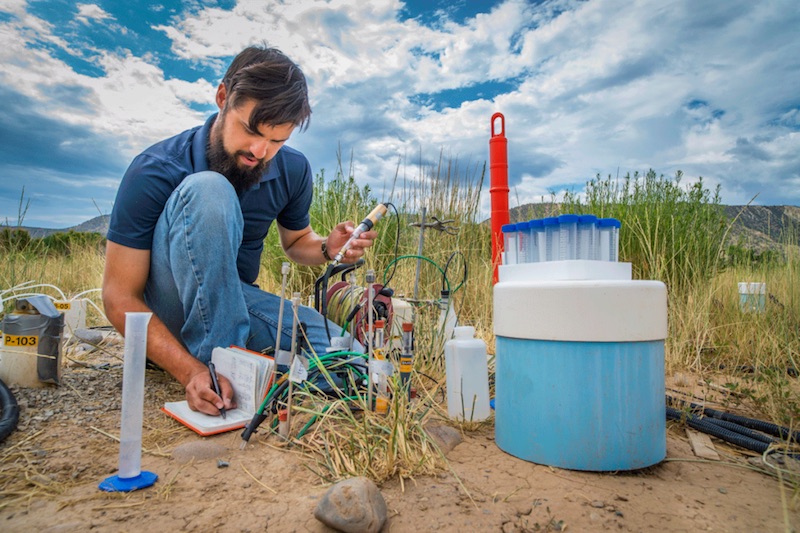
Facebook Live Event Will Feature Science at the Advanced Light Source

Image - Graphic for Berkeley Lab Facebook Live event at 1:30 p.m. on Friday, July 27.

Remembering Berkeley Lab’s First Electrical Engineer: William R. ‘Bill’ Baker
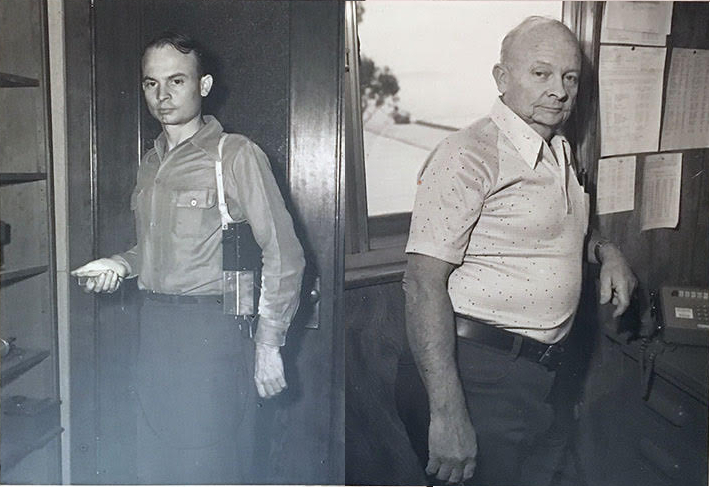
Photo - William R. Bill Baker at the Lab in 1940 (left) and in 1980, the year he retired from the Lab. (Photo courtesy of Bill Baker's family)

Ravi Prasher Named Berkeley Lab’s Associate Director for Energy Technologies

Ramamoorthy Ramesh To Lead “Beyond Moore’s Law” Initiative
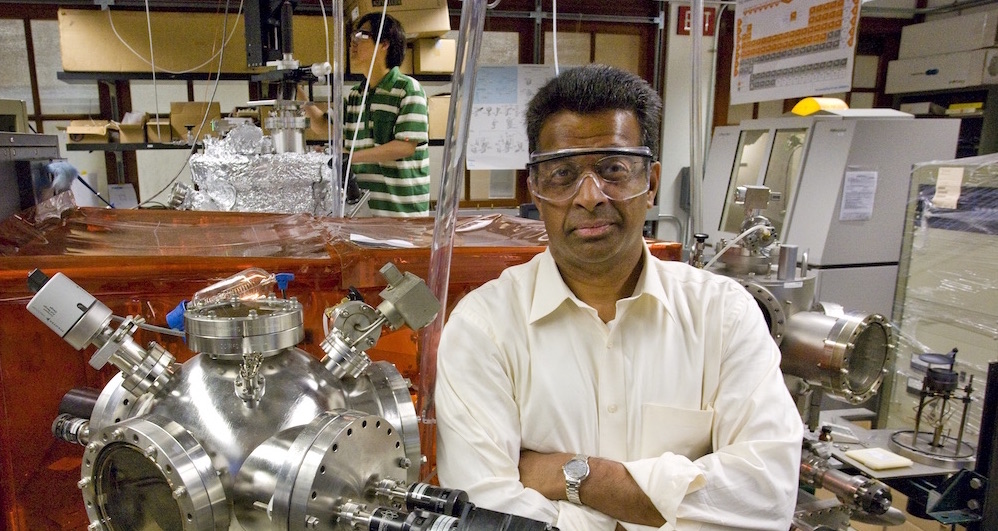
Splitting Water: Nanoscale Imaging Yields Key Insights
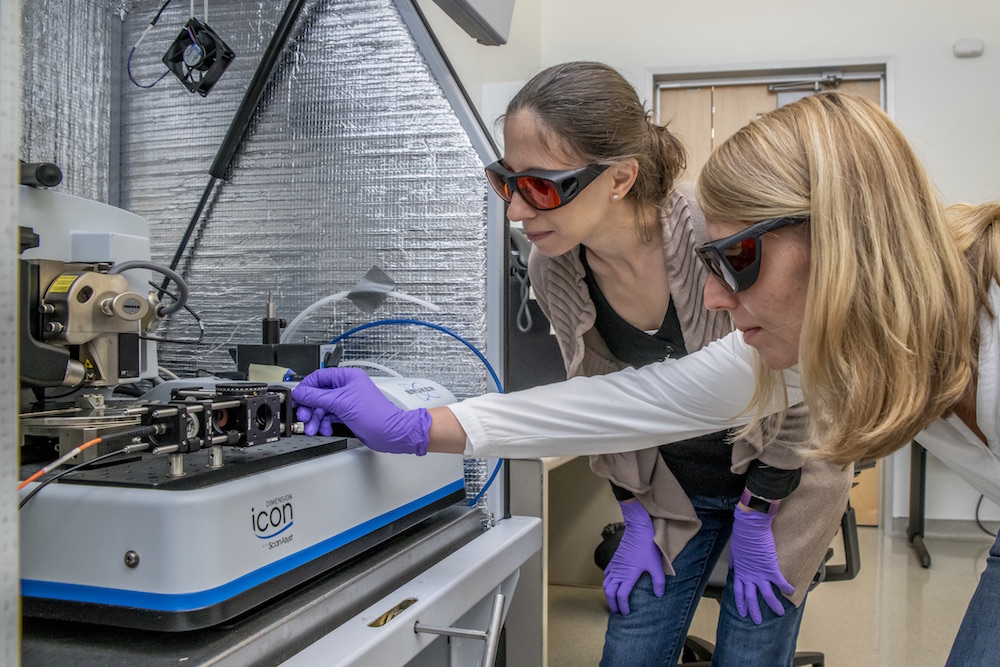
Berkeley Lab researchers Francesca Toma (left) and Johanna Eichhorn used a photoconductive atomic force microscope to better understand materials for artificial photosynthesis.

A Supercool Component for a Next-Generation Dark Matter Experiment
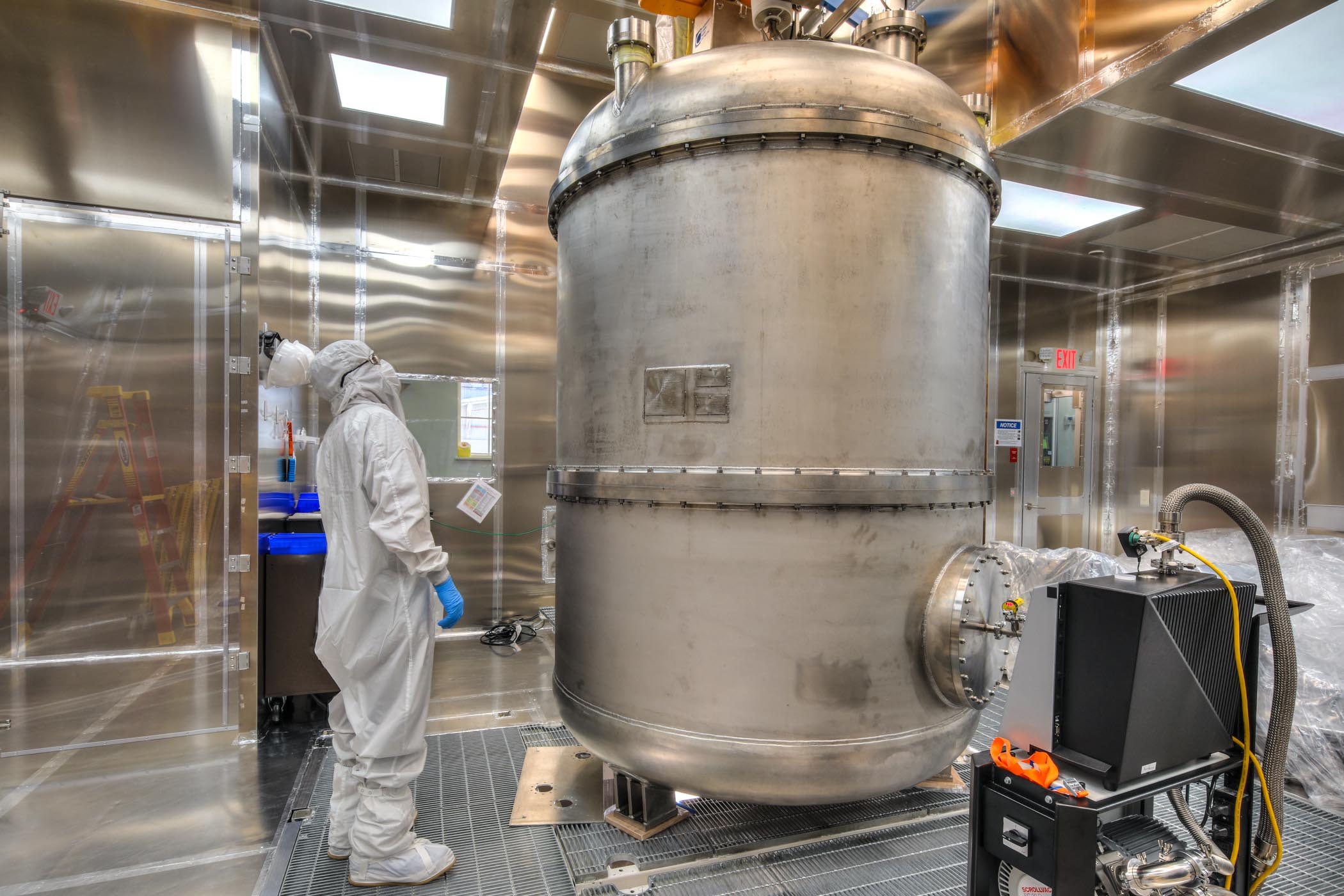
Photo - A worker inspects the titanium cryostat for the LUX-ZEPLIN experiment in a clean room. (Credit: STFC)

Q&A: Berkeley Lab’s Spencer Klein Talks About IceCube Then and Now, and What’s Next
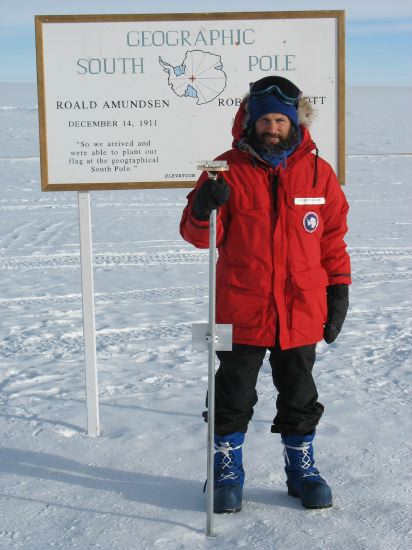
Photo - Spencer Klein at the geographic South Pole in 2006. (Photo courtesy of Spencer Klein/Berkeley Lab)

IceCube Neutrinos Point to Long-Sought Cosmic Ray Accelerator
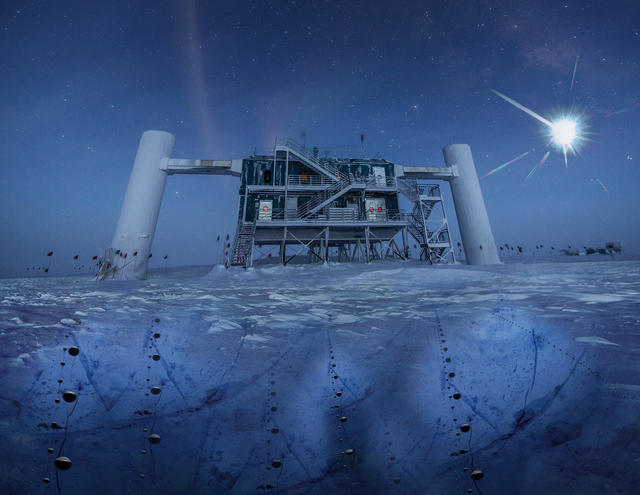
Image - In this artistic composition, based on a real image of the IceCube Lab at the South Pole, a distant source emits neutrinos that are detected below the ice by IceCube sensors, called digital optical modules (DOMs). (Credit: IceCube/NSF)