Lawrence Berkeley National Laboratory masthead A-Z Index Berkeley Lab masthead U.S. Department of Energy logo Phone Book Jobs Search
Search the News Center:
  Follow:   YouTube Flickr Twitter Facebook
Posts Tagged ‘materials sciences’

Berkeley Researchers Take the Lead Out of Piezoelectrics

November 13, 2009

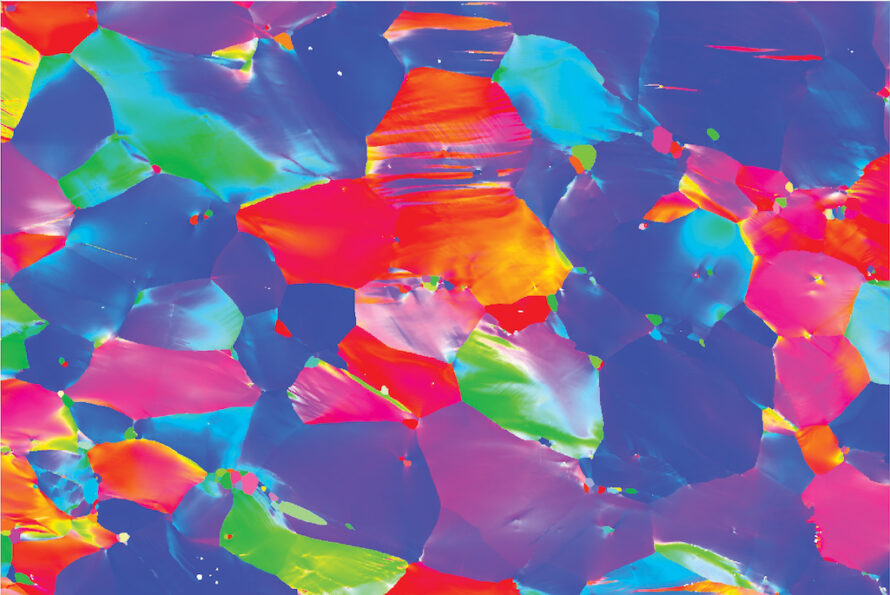
By applying just the right compression to thin films of bismuth ferrite, Berkeley Lab researchers have produced a lead-free alternative to the current crop of piezoelectric materials.

Read More>

Berkeley Lab Wins Four 2009 R&D 100 Awards

July 20, 2009

Berkeley Lab won four of R&D Magazine’s R&D 100 Awards for 2009, which recognize the 100 most significant proven technological advances of the year. This year’s winners offer the promise of cost-competitive solar cells, more computer memory at less cost, an unmatched look at atomic scale matter in 3-D, and a more powerful way to find hidden energy sources.

Read More>

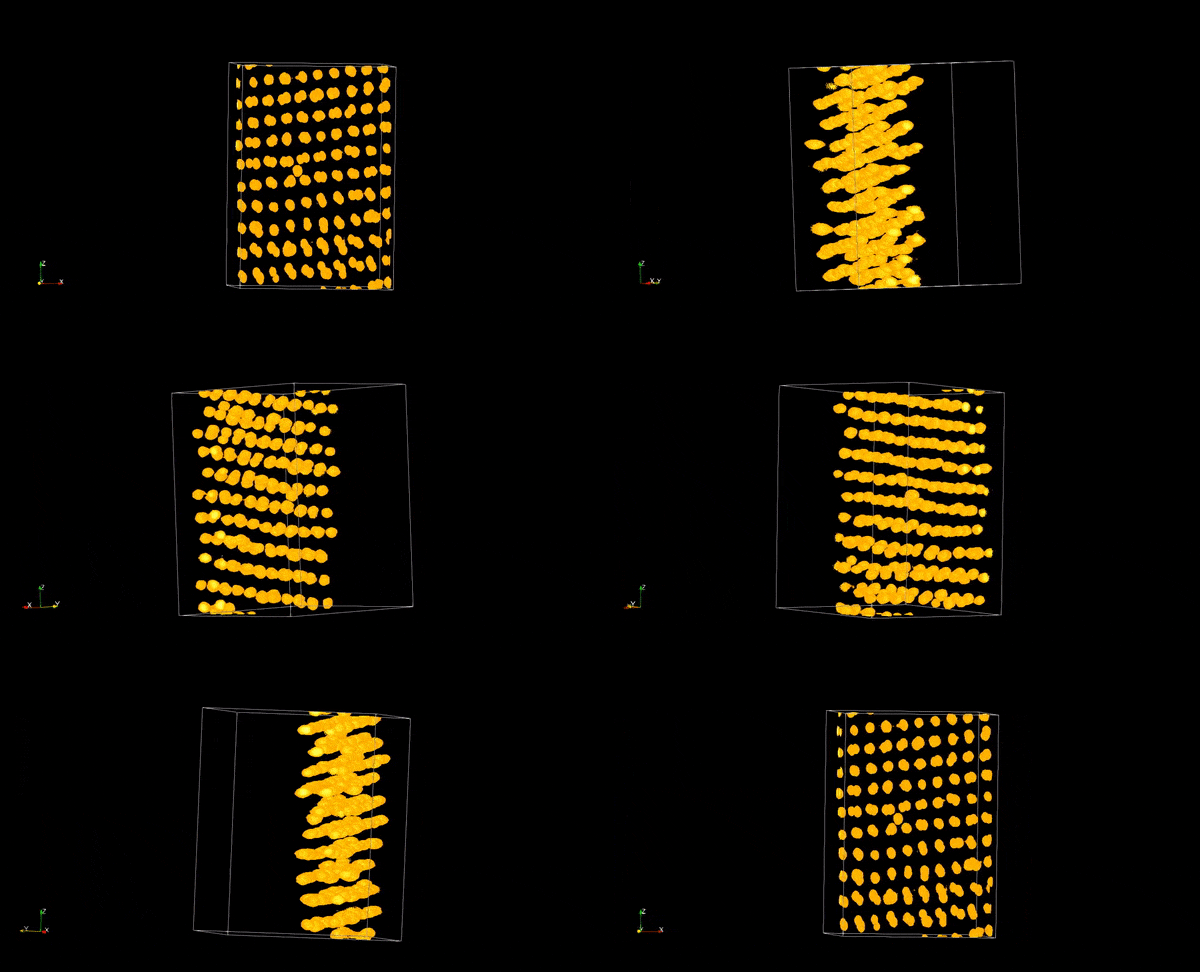
Using Lasers and X-rays to Reveal the Motion of Atoms and Electrons

July 15, 2009

Nanopillars Promise Cheap, Efficient, Flexible Solar Cells

July 9, 2009

Researchers in Berkeley Lab’s Materials Sciences Division and at UC Berkeley have made efficient, cheap, flexible solar cells by growing dense 3-D arrays of single-crystal semiconductors on a prepatterned aluminum substrate. The nanoscale pillars are embedded in a complementary transparent semiconductor that serves as a window. The solar cells are made bendable by embedding them in clear plastic.

Read More>

Nanocrystals Reveal Activity Within Cells

June 16, 2009

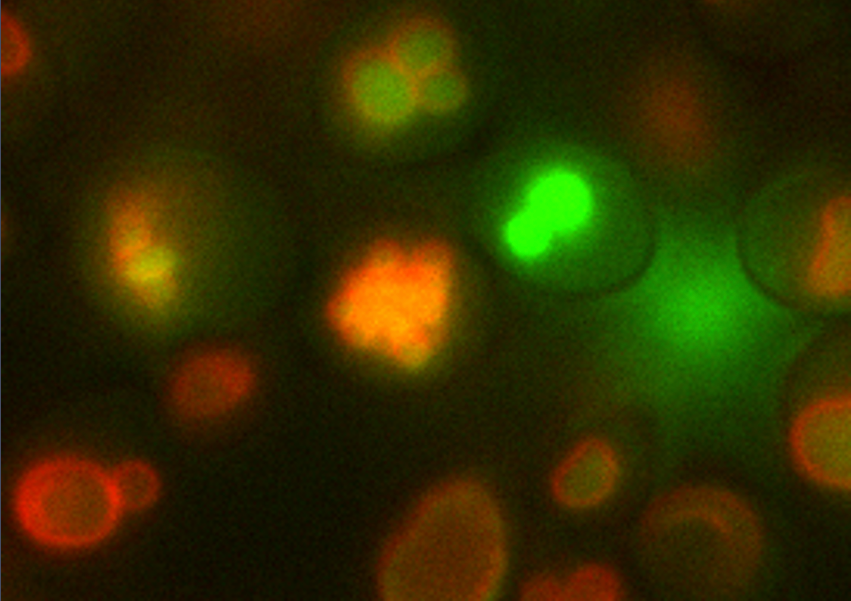
Berkeley Lab scientists have created bright, stable and bio-friendly nanocrystals that act as individual investigators of activity within a cell. These ideal light emitting probes represent a significant step in scrutinizing the behaviors of proteins and other components in complex systems such as a living cell.

Read More>

Bilayer Graphene Gets a Bandgap

June 10, 2009

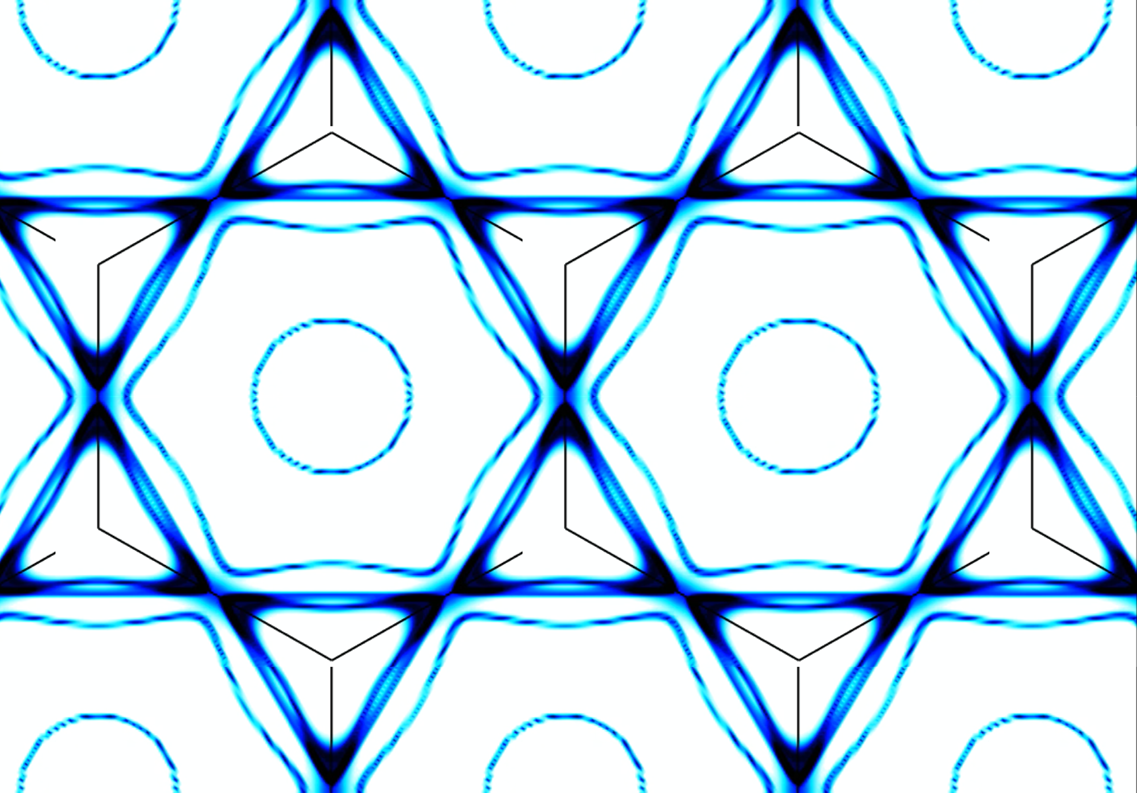
The electron mobility and other unique features of graphene hold great promise for nanoscale electronics and photonics, but graphene has no bandgap. Now Berkeley Lab researchers have engineered a bandgap in bilayer graphene that can be precisely controlled from 0 to .25 electron volts at room temperature, making possible new kinds of nanotransistors and nanoscale optical devices in the infrared range.

Read More>

Green Chemistry: Using Lasers to Detect Explosives and Hazardous Waste

June 4, 2009

New technology uses laser ablation — the use of laser pulses to vaporize small amounts of material — to test for hazardous wastes and explosives while generating almost no chemical waste. The technology can save the lives of soldiers, keep children safe from toys illegally coated with lead paints, and protect workers from chemical poisoning.

Read More>

Blurring the Line Between Magic and Science: Berkeley Researchers Create an “Invisibility Cloak”

May 1, 2009

Berkeley researchers have taken a major step towards a true invisibility device with the creation of a carpet cloak from nanostructured silicon that conceals the presence of objects placed under it from optical detection. This new cloak suggests that true invisibility materials are within reach.

Read More>

New Path to Enhancing Solar Cell Efficiency

April 2, 2009

Researchers at Berkeley Lab and Stanford University have developed a new method to characterize how a single photon can create multiple charge carriers—a phenomenon that could be used to develop more efficient solar cells.

Read More>

Keep On Spinning

April 1, 2009

Berkeley Lab researchers have taken a major step forward in the technology of spintronics by creating the “persistent spin helix,” which allows them to control the spin states of highly mobile electrons at different locations in a semiconductor and turn the collective state on and off at will. The discovery represents a new conservation law, an important advance in fundamental physics.

Read More>

Top
A U.S. Department of Energy National Laboratory Operated by the University of California
UC logo    Office of Science logo
Questions & Comments · Privacy & Security Notice