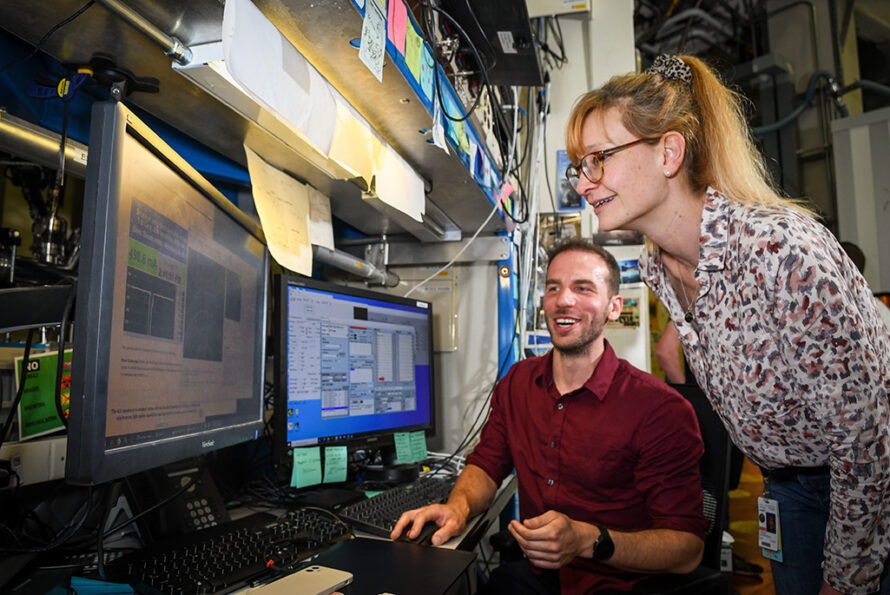
Chiral 2D metal halide perovskites (MHPs) are among the most promising materials for future technologies that exploit the spin of electrons in spin-based optoelectronics or spintronics, but getting them to perform consistently has proven difficult. Now scientists at Lawrence Berkeley National Laboratory (Berkeley Lab) have developed a data-driven approach that identifies and models key synthesis parameters to optimize their performance.
The difficulty stems in part from the sheer number of factors involved in making these materials. Although chiral 2D MHPs are low cost and easy to fabricate as thin films, optimizing those films for optoelectronic technologies such as light-emitting diodes (LEDs) or photodetectors is a formidable challenge. Advanced spin-based optoelectronics use circularly polarized light to encode and transmit data. For several years, scientists have searched for ways to enhance these materials’ selectivity for circularly polarized light, but progress has been hampered by a reproducibility problem: reported performance values for nominally the same material vary by more than two orders of magnitude across different laboratories.
A new study published in the journal Matter offers a roadmap for solving that problem. Scientist Carolin Sutter-Fella and her team at Berkeley Lab’s Molecular Foundry show how systematically tuning several “knobs” in the fabrication process — such as solvent choice, annealing temperature, and film thickness — can reliably improve the material’s chiroptical properties, or its ability to interact with circularly polarized light.
“By creating a clear, data-driven roadmap linking how a material is made to how it responds, this work gives other researchers a practical guide to tune synthesis knobs and reliably produce high-quality chiral perovskite films, accelerating progress toward real-world applications,” Sutter-Fella said.
For the study, first author Raphael Moral prepared thin films from single-crystal precursor solutions and then, using X-ray techniques at the Advanced Light Source, unveiled the material’s crystallization process. Rather than experimenting by trial and error, Moral and co-first author Maher Alghalayini used statistical tools, including correlation analysis and machine-learning methods supported by Berkeley Lab’s Center for Advanced Mathematics for Energy Research Applications (CAMERA), to identify and model parameters to optimize the material’s performance. Moral is a former Molecular Foundry postdoctoral fellow, and Alghalayini is currently a postdoctoral fellow in the Molecular Foundry as well as CAMERA.
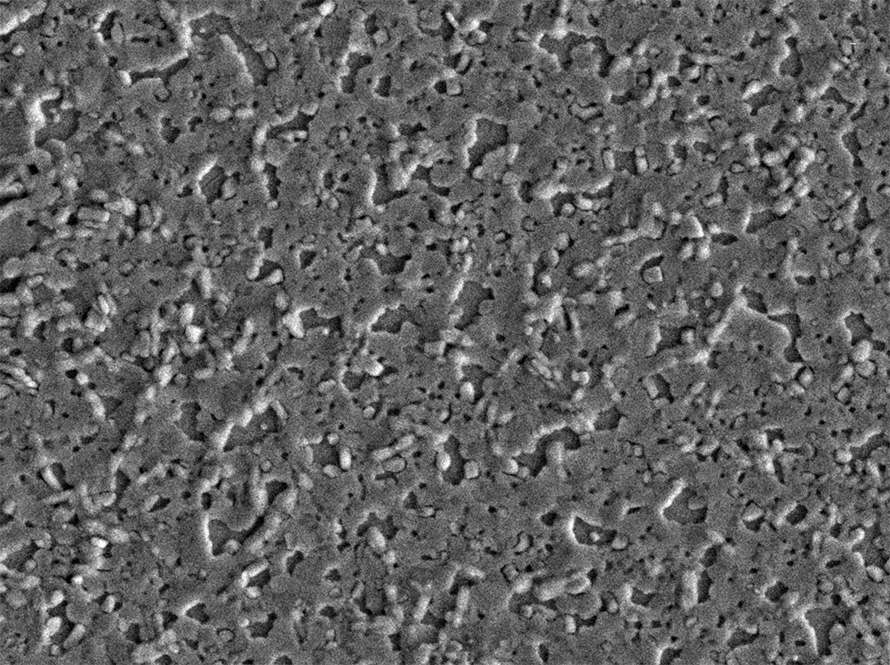
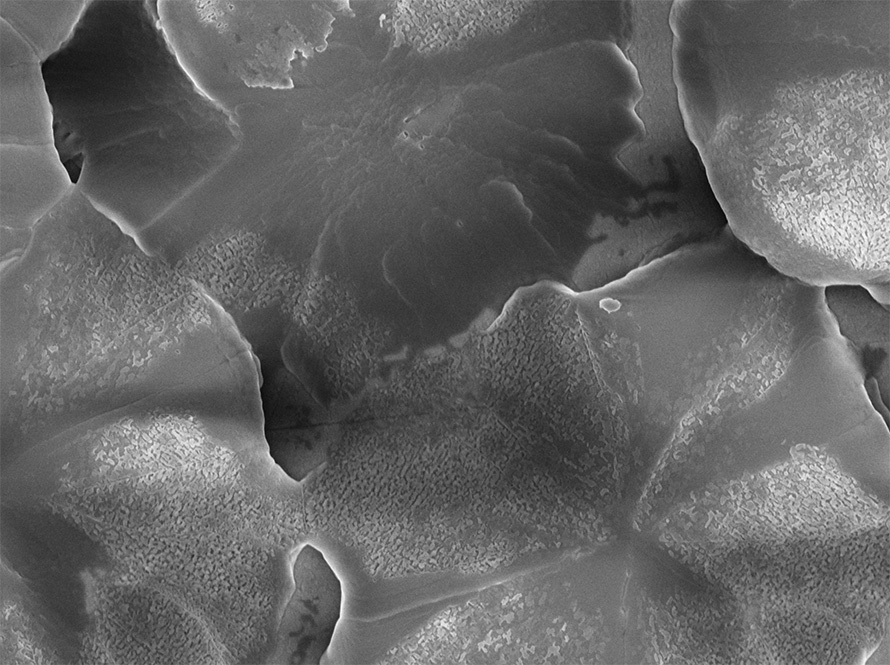
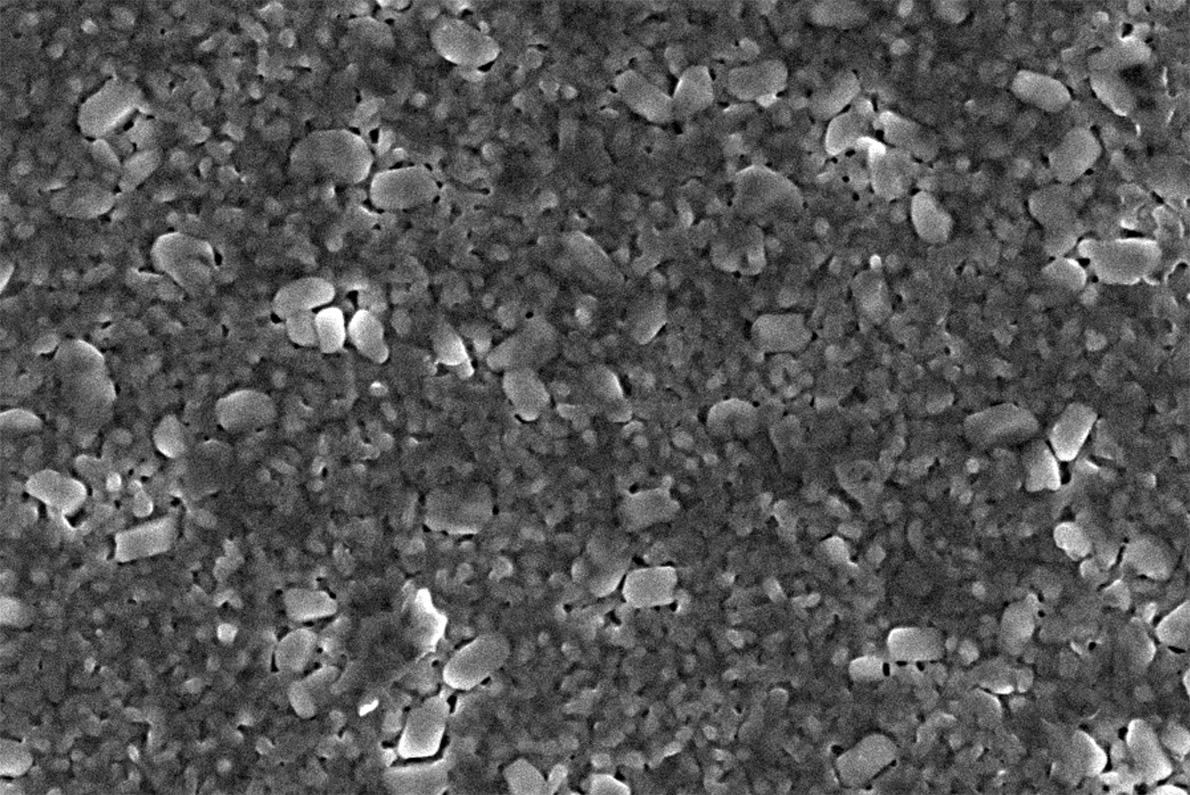
The framework revealed that solvent choice is the single most important factor, where films made with acetonitrile produced the strongest and most consistent chiroptical signals, a measure of how well the material responds to circularly polarized light. It also showed how annealing temperature and film thickness can affect the material’s signal strength. X-ray diffraction experiments at the Advanced Light Source validated the predicted results.
“It is surprising that the same material can produce different chiroptical properties depending on the processing method. We’re excited that other scientists will be able to use our predictive roadmap to advance their work with chiral 2D MHPs, which have so much potential,” Moral said.
In future work, the Berkeley Lab team hopes to use what they’ve learned from the current study in machine-learning-driven experiments with different chiral molecules.
The Molecular Foundry and Advanced Light Source are DOE Office of Science user facilities at Berkeley Lab.
###
Lawrence Berkeley National Laboratory (Berkeley Lab) is committed to groundbreaking research focused on discovery science and solutions for abundant and reliable energy supplies. The lab’s expertise spans materials, chemistry, physics, biology, earth and environmental science, mathematics, and computing. Researchers from around the world rely on the lab’s world-class scientific facilities for their own pioneering research. Founded in 1931 on the belief that the biggest problems are best addressed by teams, Berkeley Lab and its scientists have been recognized with 17 Nobel Prizes. Berkeley Lab is a multiprogram national laboratory managed by the University of California for the U.S. Department of Energy’s Office of Science.
DOE’s Office of Science is the single largest supporter of basic research in the physical sciences in the United States, and is working to address some of the most pressing challenges of our time. For more information, please visit energy.gov/science.
Optimized Materials in a Flash
How AI and Automation are Speeding Up Science and Discovery