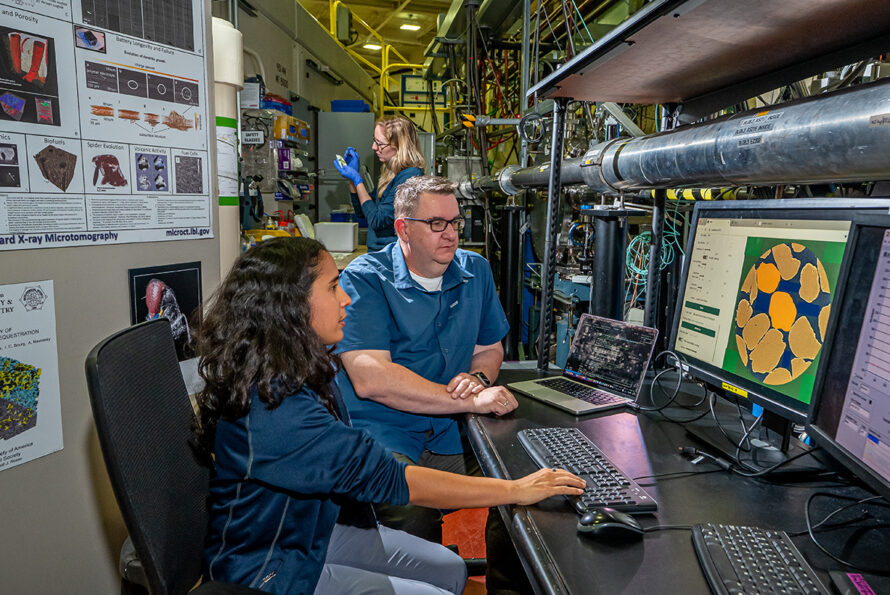
Scientists around the world use the focused beams of light generated by the Advanced Light Source (ALS) synchrotron to study molecules and materials with atomic precision — yielding fundamental insights into fields ranging from physics to biology and enabling the development of new technologies in microelectronics, energy storage, pharmaceuticals, catalysis, quantum computing, and more. Since it became operational in 1993, the ALS, a DOE Office of Science user facility at Lawrence Berkeley National Laboratory (Berkeley Lab), has served as the nation’s top destination for soft X-ray science as well as a leading facility for ultraviolet, infrared, and hard X-ray wavelengths. It has been cited in more than 18,000 papers, including foundational work for five Nobel prizes.
But after 30 years of continuous operation and enhancements, the ALS has reached its performance limits. We’re leveling up the facility using new advances in light source technology to ensure that DOE scientists and our collaborators have access to unmatched experimental capabilities for the next era of discovery. This project has been underway for nearly a decade and has hit major milestones. The teams are making great progress toward a targeted completion in 2029.
Once the upgrade is complete, the ALS will deliver beams of soft X-rays that are more focused and at least 100-times brighter than the current ALS. This fantastically versatile type of light allows scientists to probe the chemical, magnetic, and electronic properties of samples, revealing how electrons in materials behave and how chemical reactions unfold in real time. By pointing more light into a smaller area and improving how the photons within the beams are organized — a property called coherence — the upgraded facility will provide more detailed and precise data and significantly enhance its ability to study changes in matter.
Other countries are also leveraging the latest technology to build new or upgraded X-ray sources. Our upgrade will make the ALS rival or surpass the most advanced new light sources, ensuring we remain on the cutting edge of basic science research to foster energy security, global technological leadership, and improved public health.
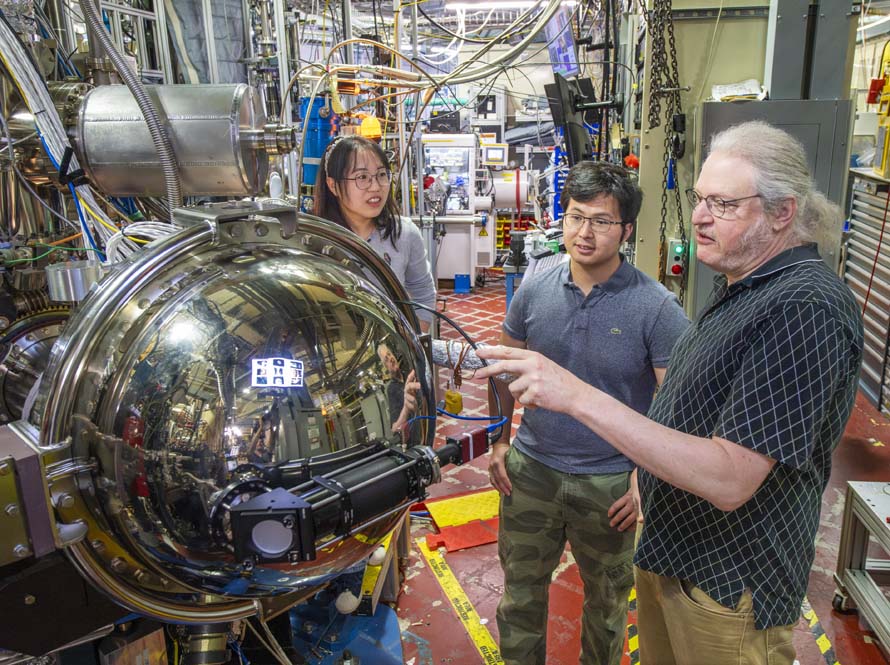
Designing materials for quantum computing
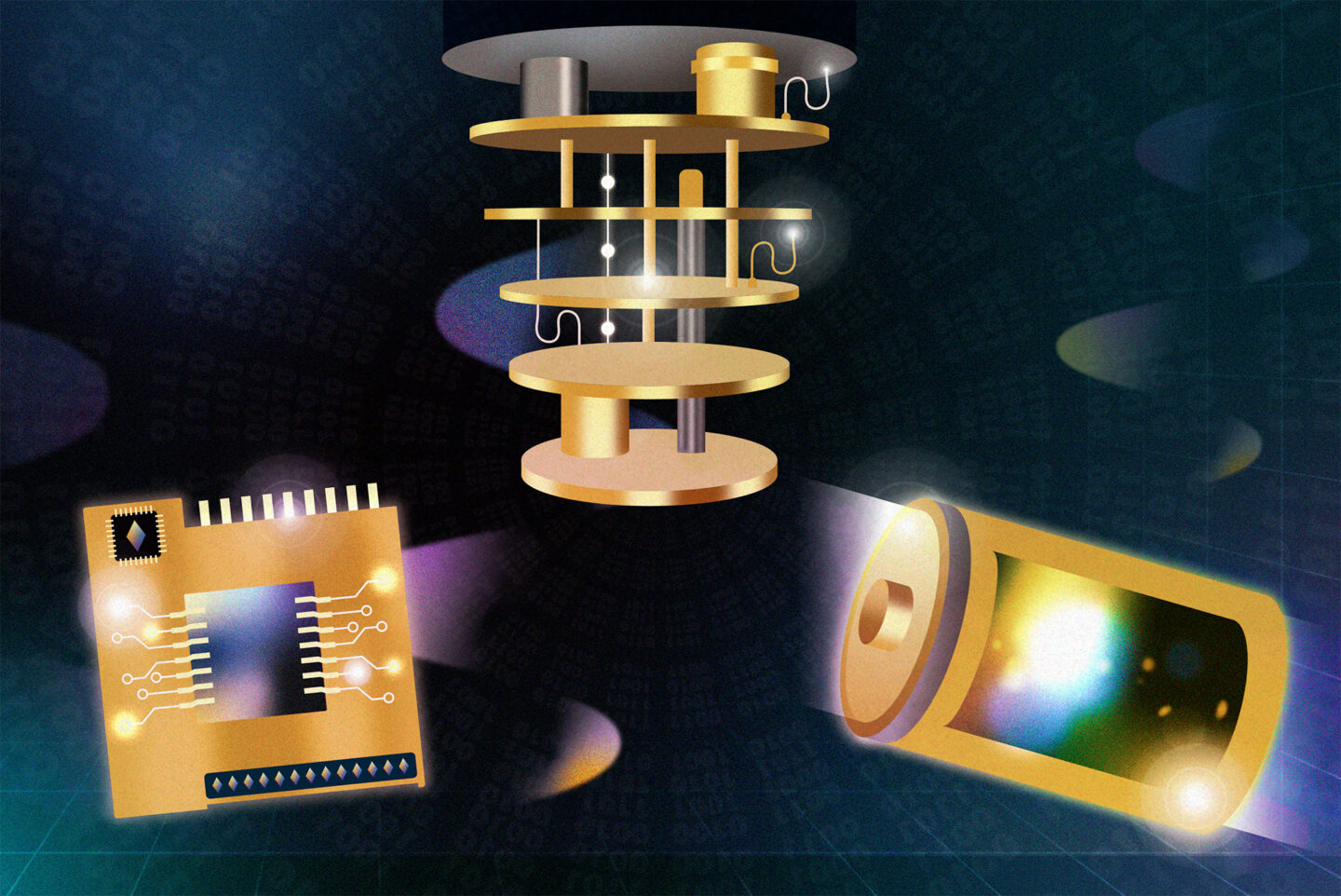
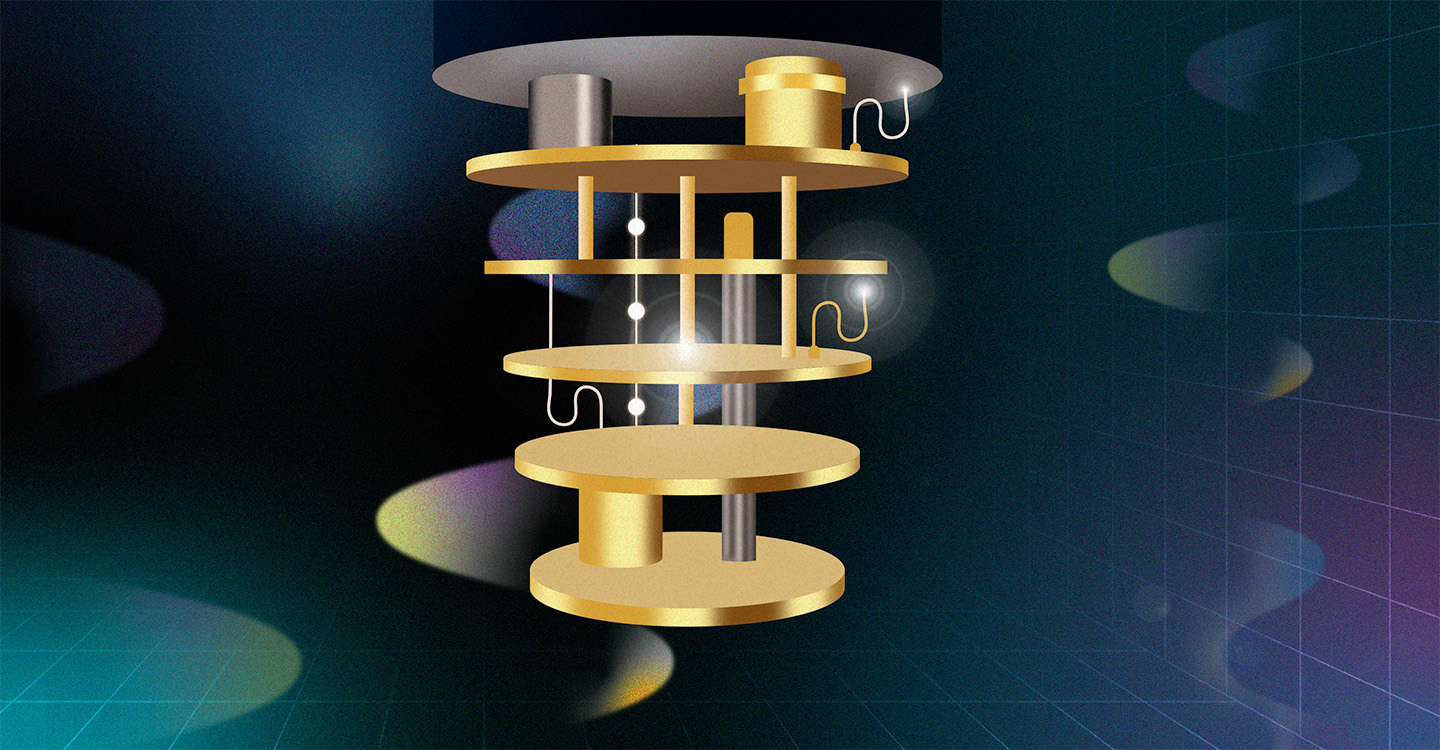
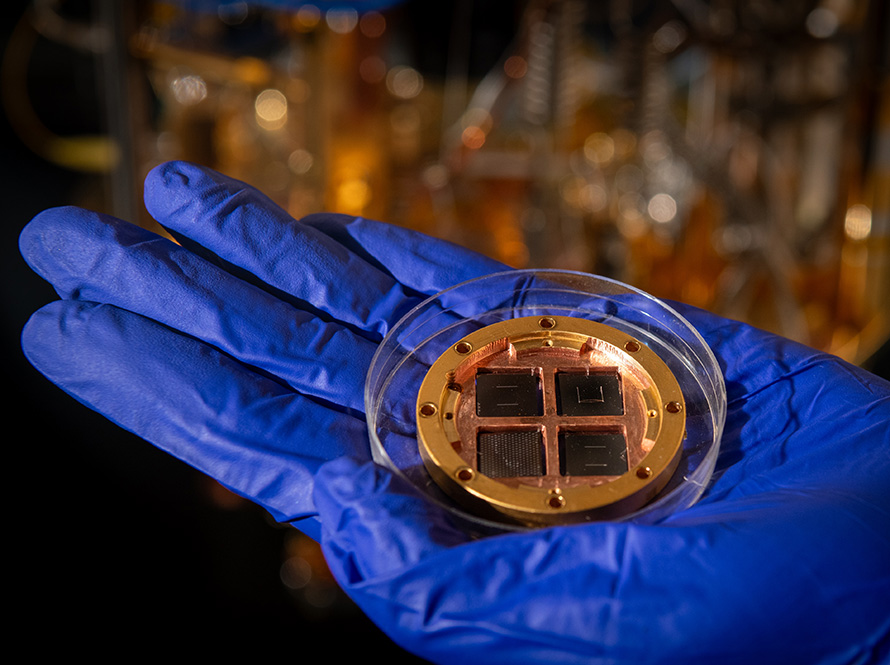
The ALS has helped scientists nationwide, including those at Berkeley Lab’s Quantum Systems Accelerator, test potential materials for qubits, the fundamental unit of a quantum computer. The upgraded ALS’s more coherent beams will be used to examine the quantum properties of matter, enabling deeper understanding of how to design and realize functional quantum devices and technologies.
Pushing the boundaries of microelectronics
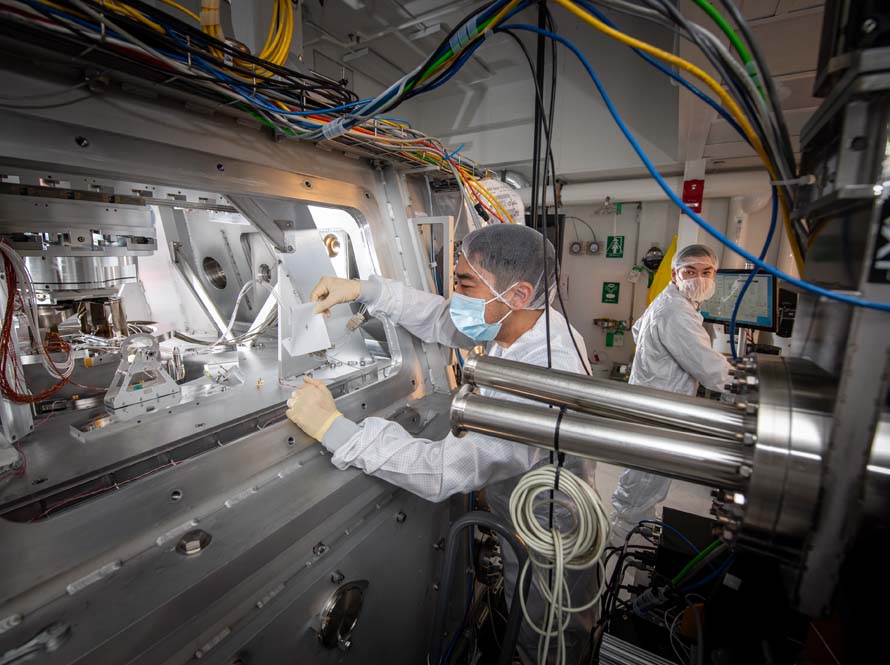
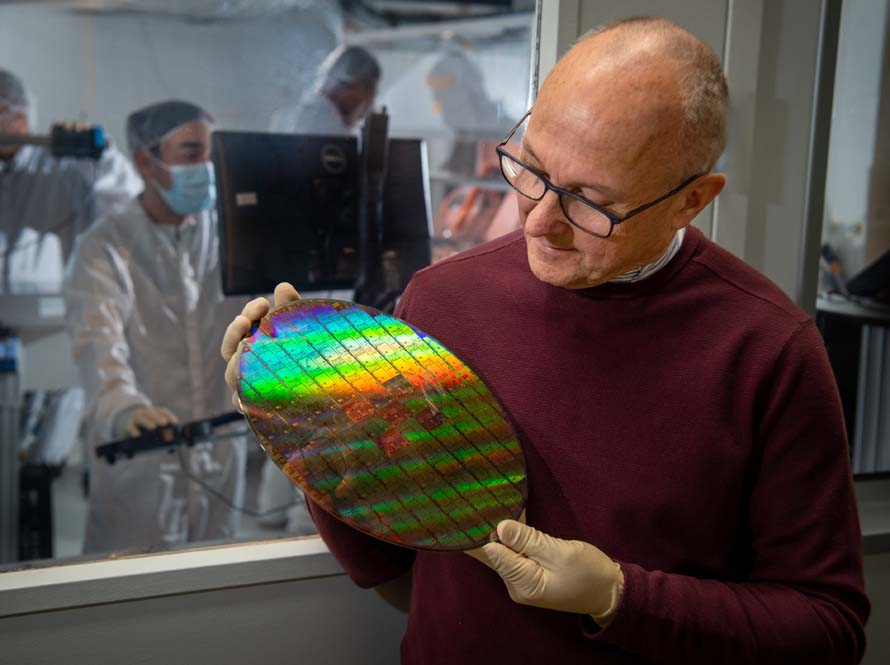
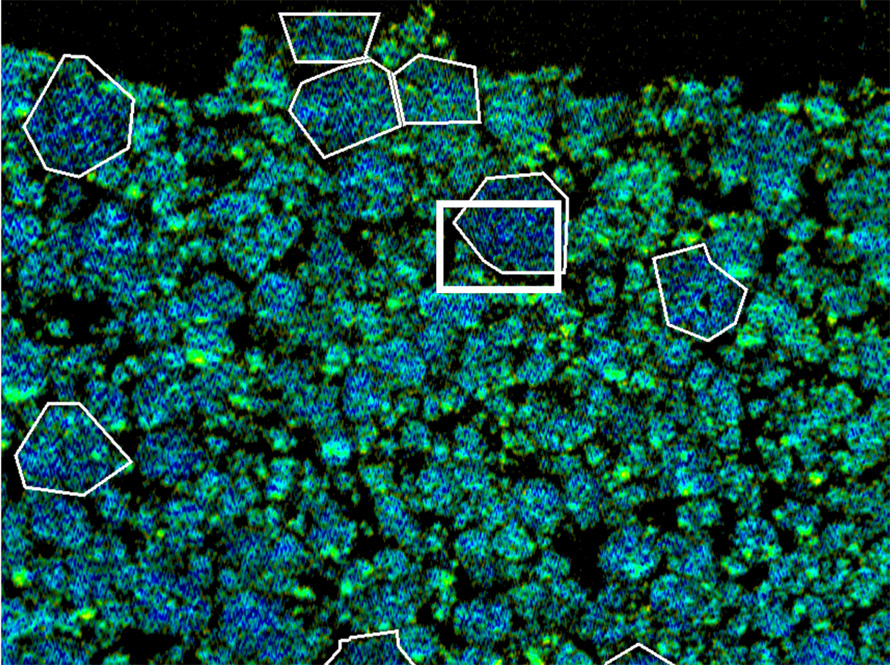
Extreme ultraviolet (EUV) lithography, a technique for printing transistors onto semiconductor chips, has caused an explosive leap forward in microelectronics technology since it was developed at Berkeley Lab’s Center for X-Ray Optics (CXRO), using the ALS, starting in the late 90s. Unlike industry toolmakers, the ALS and CXRO served as the fundamental science engine for EUV, providing the synchrotron-based light and platforms needed to understand and solve the physics challenges that made EUV lithography possible. The Center for High Precision Patterning Science, a DOE Energy Frontier Research Center, uses the ALS’ tunable EUV and X-ray light to characterize and reveal how these materials absorb energy, evolve chemically, and form patterns at the molecular and nanoscale level, creating the fundamental understanding and materials control needed to advance U.S. leadership in microelectronics manufacturing. The brightness of the upgraded ALS will enable a next-generation platform called Hyper-NA EUV Lithography, which will continue efforts to make more powerful and energy-efficient microchips through smaller features and new materials research.

Optimizing energy technologies
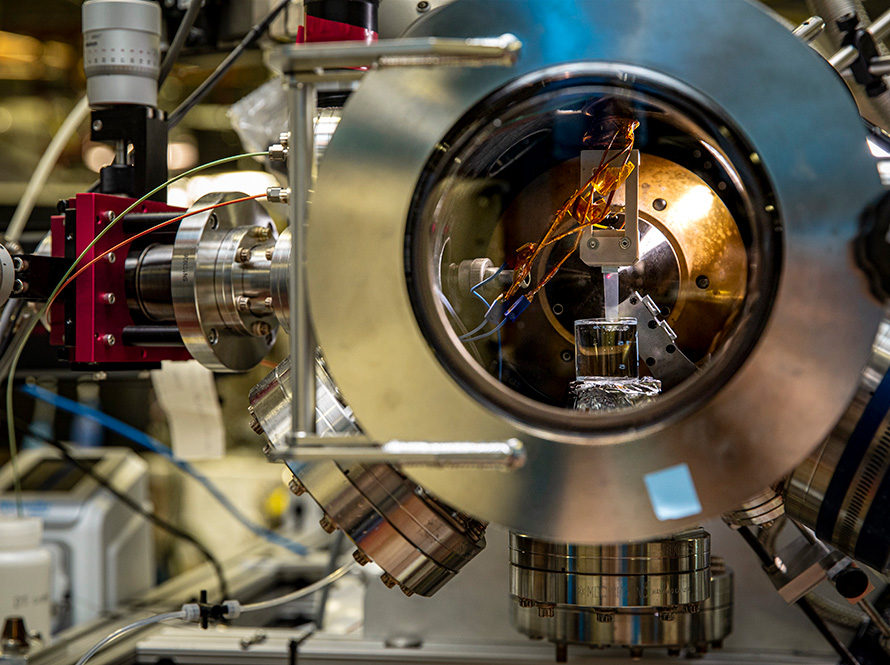
The increased spatial and temporal resolution of the upgraded ALS will pave the way for more efficient and resilient energy technologies by giving scientists an unprecedented view of chemical and material reactions as they occur. Understanding precise details of catalytic reactions used to generate fuels or the structural changes of charged particles inside batteries, for example, will help users to design and test new systems built from abundant materials that break past the limitations of past technologies.
Accelerating biological discovery
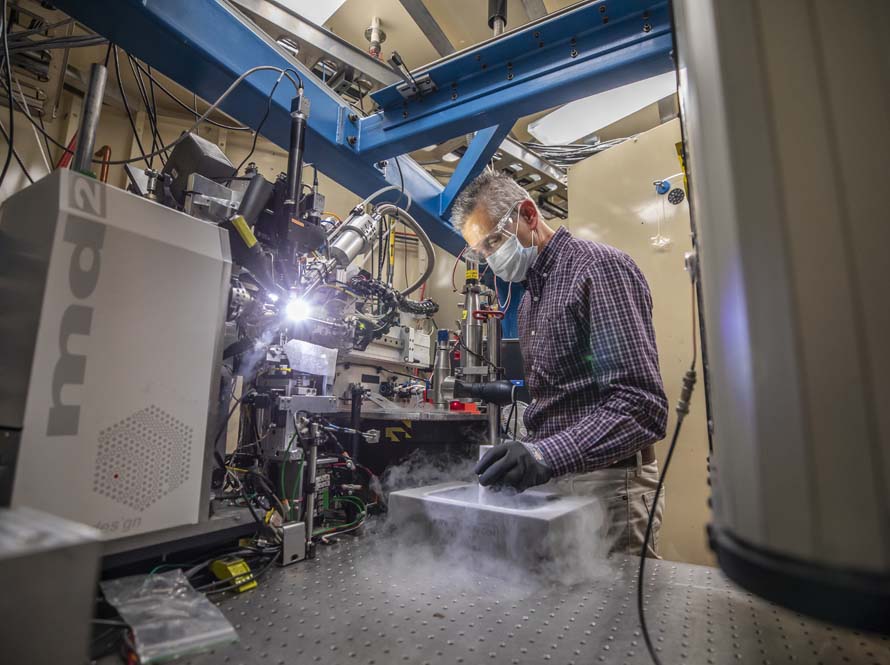
Our beamlines are home to advanced tools for studying biological systems. While the ALS upgrade is underway, a suite of cutting-edge new hardware and software will be installed on the beamlines for X-ray crystallography — a crucial technique for elucidating atomic structures to understand normal biological functions, infectious diseases, cancer, and to design therapeutics — and on beamlines for small-angle X-ray scattering (SAXS), which allows scientists to study molecular shape changes and interactions underlying biochemical reactions. A new crystallography sample production facility will also be built at the ALS. These improvements will help researchers probe deeper into the inner workings of living organisms and partners in the pharmaceutical industry can make faster progress in drug development.

More data, more insights
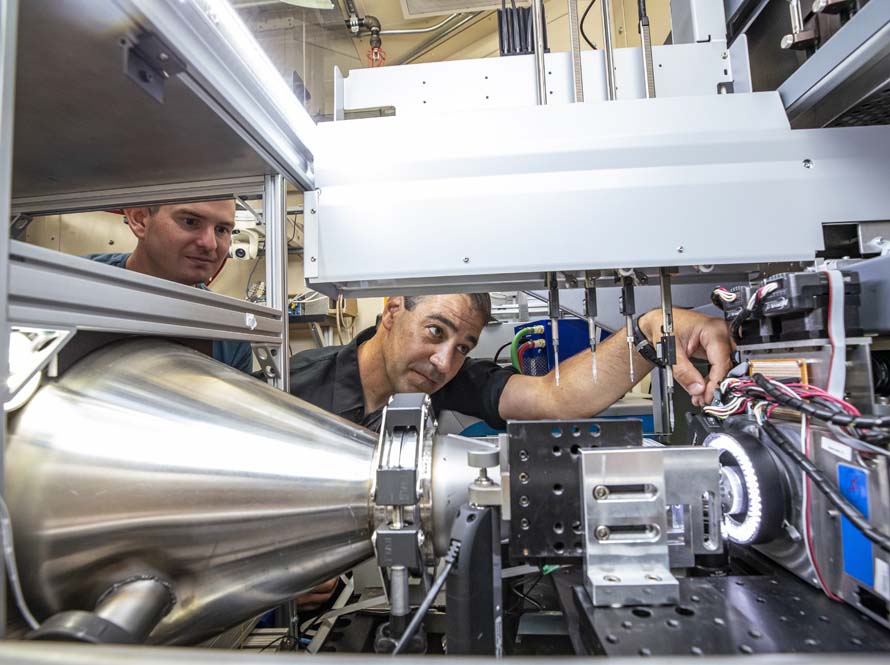
The high-quality datasets generated by experiments at the upgraded ALS will be a valuable resource for training AI models capable of predicting physical and chemical reactions. These predictions will reduce the number of tests needed to confirm hypotheses or validate product design. The rich datasets will also help build AI agents that, in combination with the ALS’s sample-handling robotics technology, can autonomously manage trial-and-error research projects to greatly accelerate the pace of discovery.

###
Lawrence Berkeley National Laboratory (Berkeley Lab) is committed to groundbreaking research focused on discovery science and solutions for abundant and reliable energy supplies. The lab’s expertise spans materials, chemistry, physics, biology, earth and environmental science, mathematics, and computing. Researchers from around the world rely on the lab’s world-class scientific facilities for their own pioneering research. Founded in 1931 on the belief that the biggest problems are best addressed by teams, Berkeley Lab and its scientists have been recognized with 17 Nobel Prizes. Berkeley Lab is a multiprogram national laboratory managed by the University of California for the U.S. Department of Energy’s Office of Science.
DOE’s Office of Science is the single largest supporter of basic research in the physical sciences in the United States, and is working to address some of the most pressing challenges of our time. For more information, please visit energy.gov/science.

Brighter Light, Sharper Science: Inside Berkeley Lab’s Advanced Light Source Upgrade
Leading the Field in Magnets