
All News

A Day in the Half-Life

Colorful data lines converging in the left-mid frame

Berkeley Lab Celebrates 90th Anniversary, Imagines the Next 90 Years

Discoveries at the Edge of the Periodic Table: First Ever Measurements of Einsteinium

Group of four people standing in a line

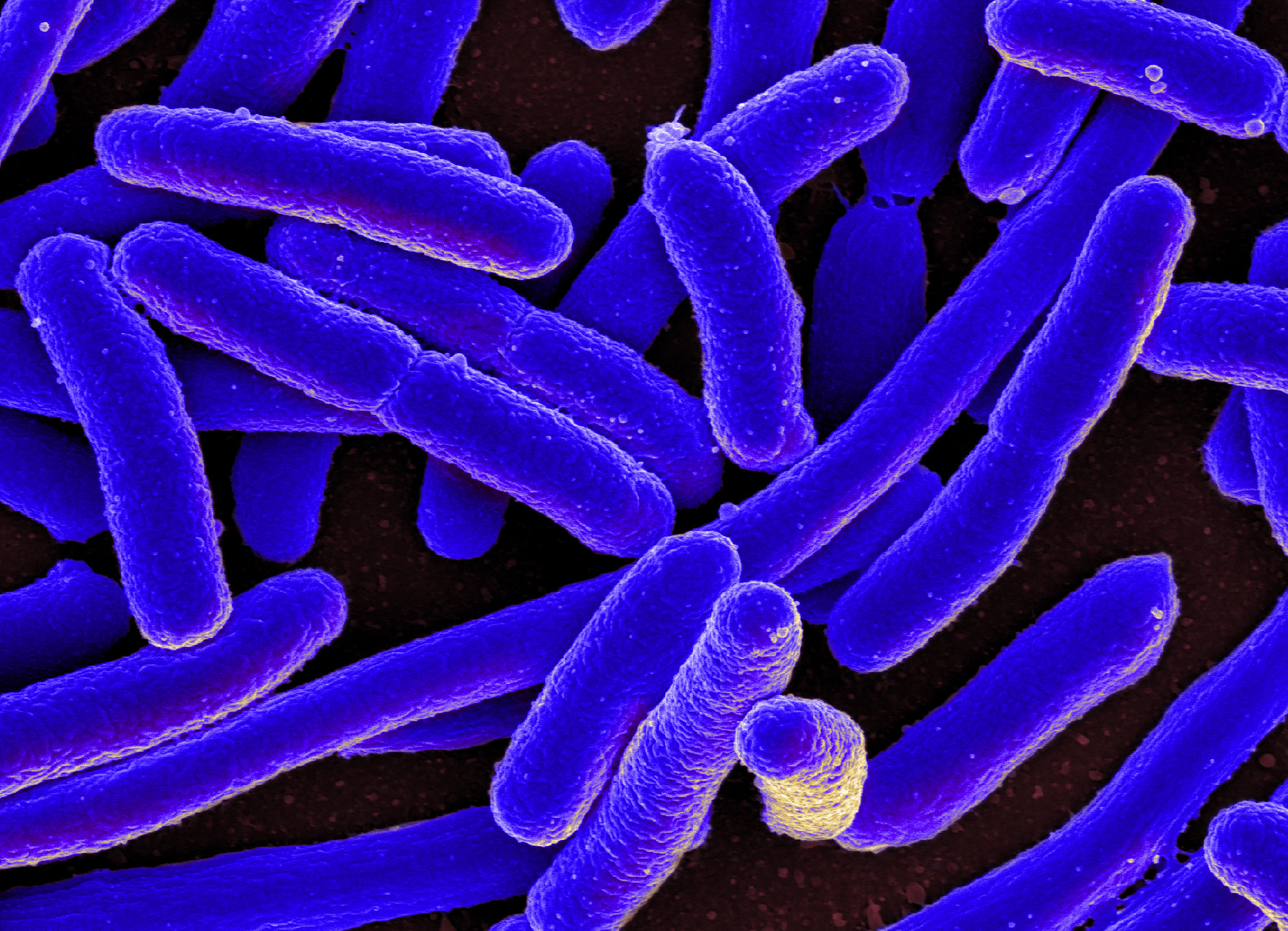
Are Gut Microbes the Key to Unlocking Anxiety?
A Detailed Look Inside Tsetse Flies
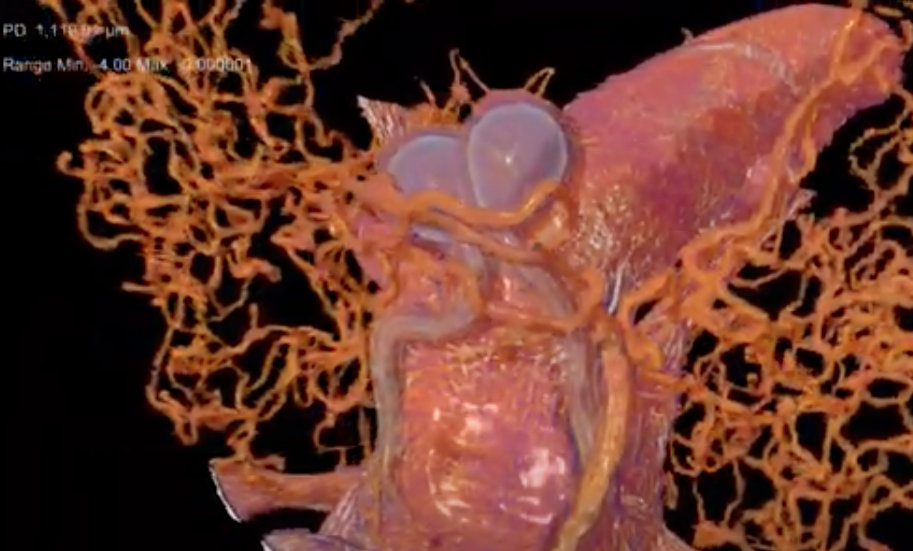
Image - An image from an X-ray microtomography scan of a female tsetse fly’s abdomen. The image was taken from an animation highlighting key aspects of the female reproductive system, including a milk gland used to feed developing larvae. View the animation: https://www.youtube.com/watch?v=UtC6ASkWcOo&feature=emb_logo. (Credit: Geoffrey Attardo/UC Davis)

Pioneering Framework Could Reduce Energy Demand in Buildings
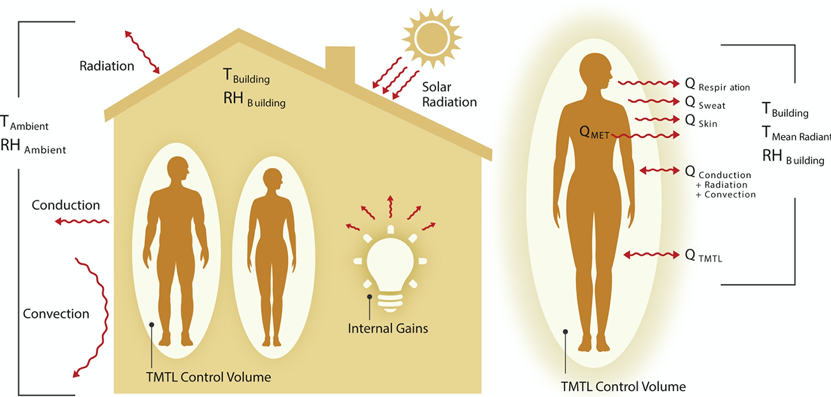
Schematic of thermal interactions with the environment and energy transfers that are needed for the theoretical minimum thermal load (TMTL) calculation.

AI Finds More Than 1,200 Gravitational Lensing Candidates
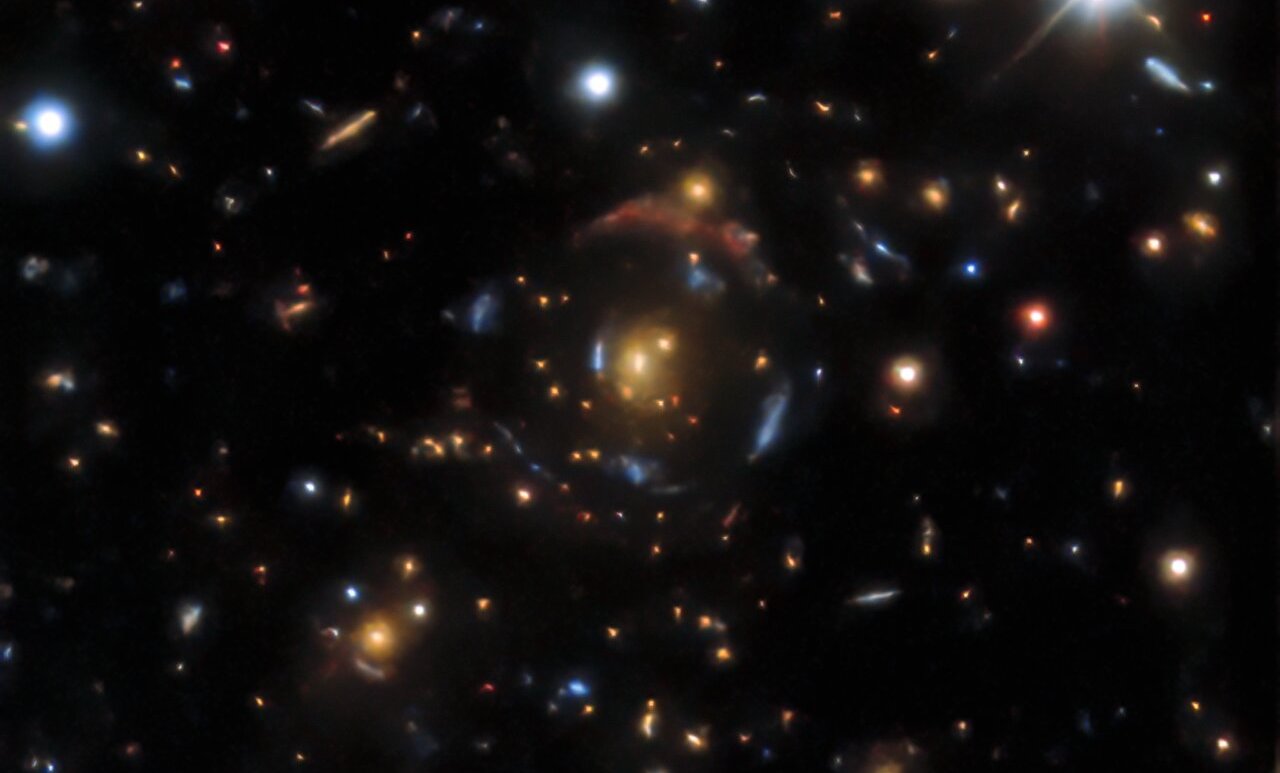
Image - A gravitational lens found in the DESI Legacy Surveys data. There are four sets of lensed images that correspond to four background galaxies, which appear as partial rings around an orange galaxy at the center and foreground. (Credit: DESI Legacy Imaging Surveys, Berkeley Lab, DOE, KPNO, CTIO, NOIRLab, NSF, AURA)

Getting to Net Zero – and Even Net Negative – is Surprisingly Feasible, and Affordable
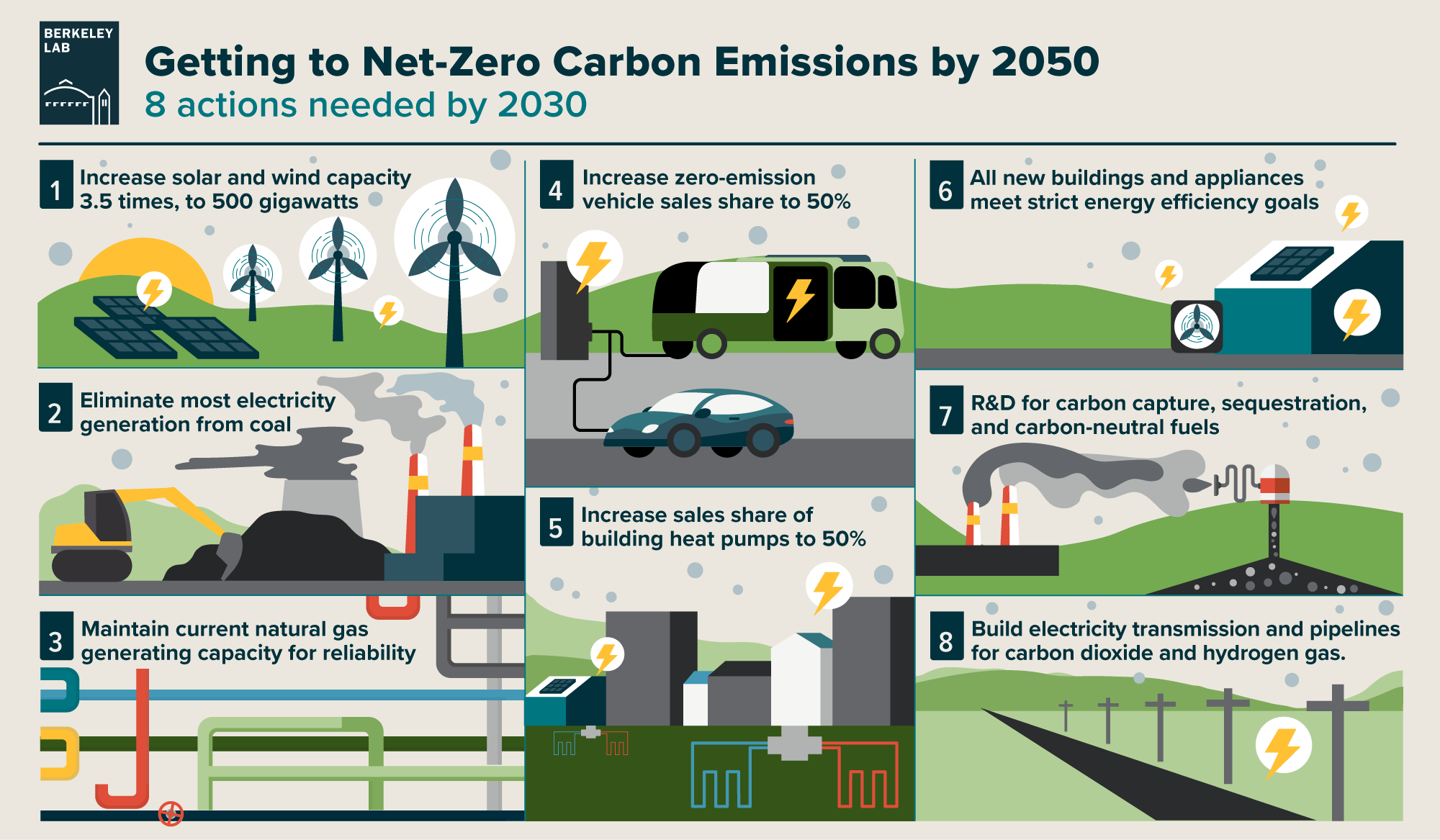
infographic of 8 actions needed by 2030

A New Way to Measure Record-Setting Electron Beams
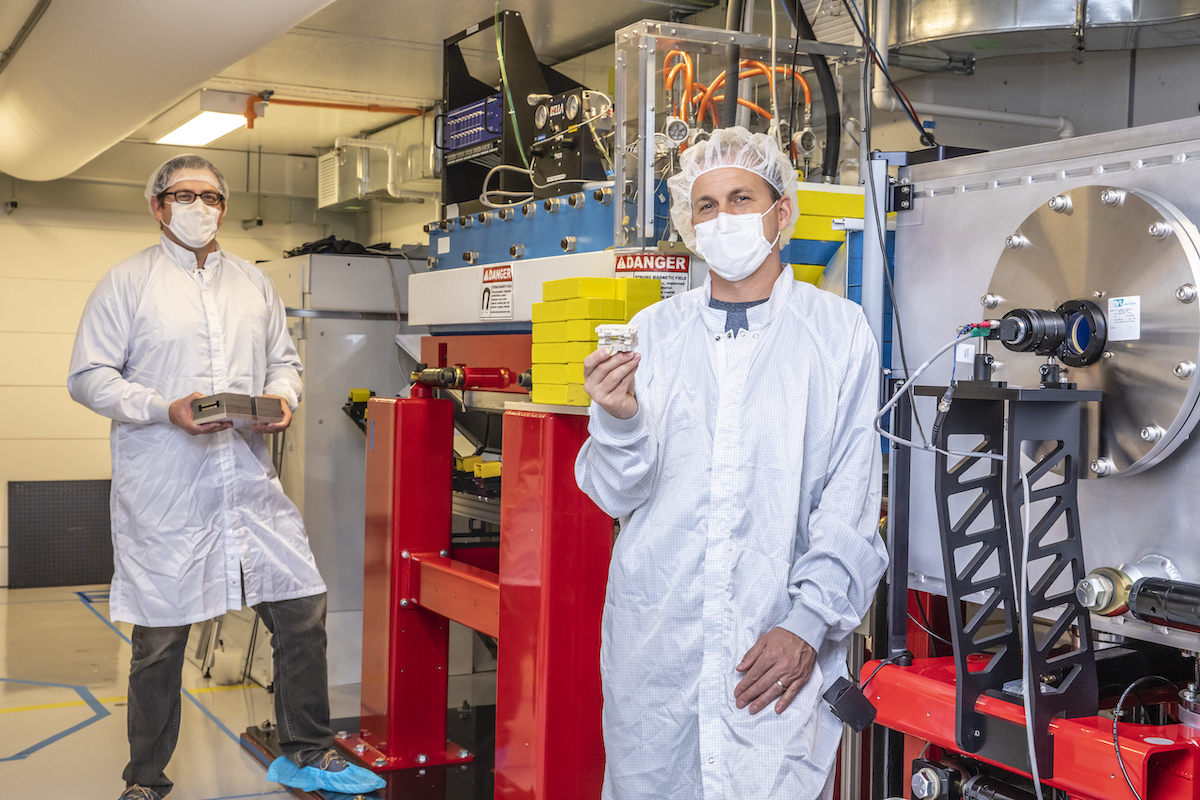
Photo - Sam Barber, left, a research scientist at Berkeley Lab’s BELLA Center, and Jeroen van Tilborg, a staff scientist at the BELLA Center, hold the active plasma lens, right, and dipole magnets used in an electron-beam diagnostic experiment. Combined, the magnets allowed measurements of electron-beam energy, with range and resolution comparable to what is achieved using the multi-ton magnet located behind them. (Credit: Marilyn Sargent/Lawrence Berkeley National Laboratory)

How to Find Mutated Sperm? Just Go FISH
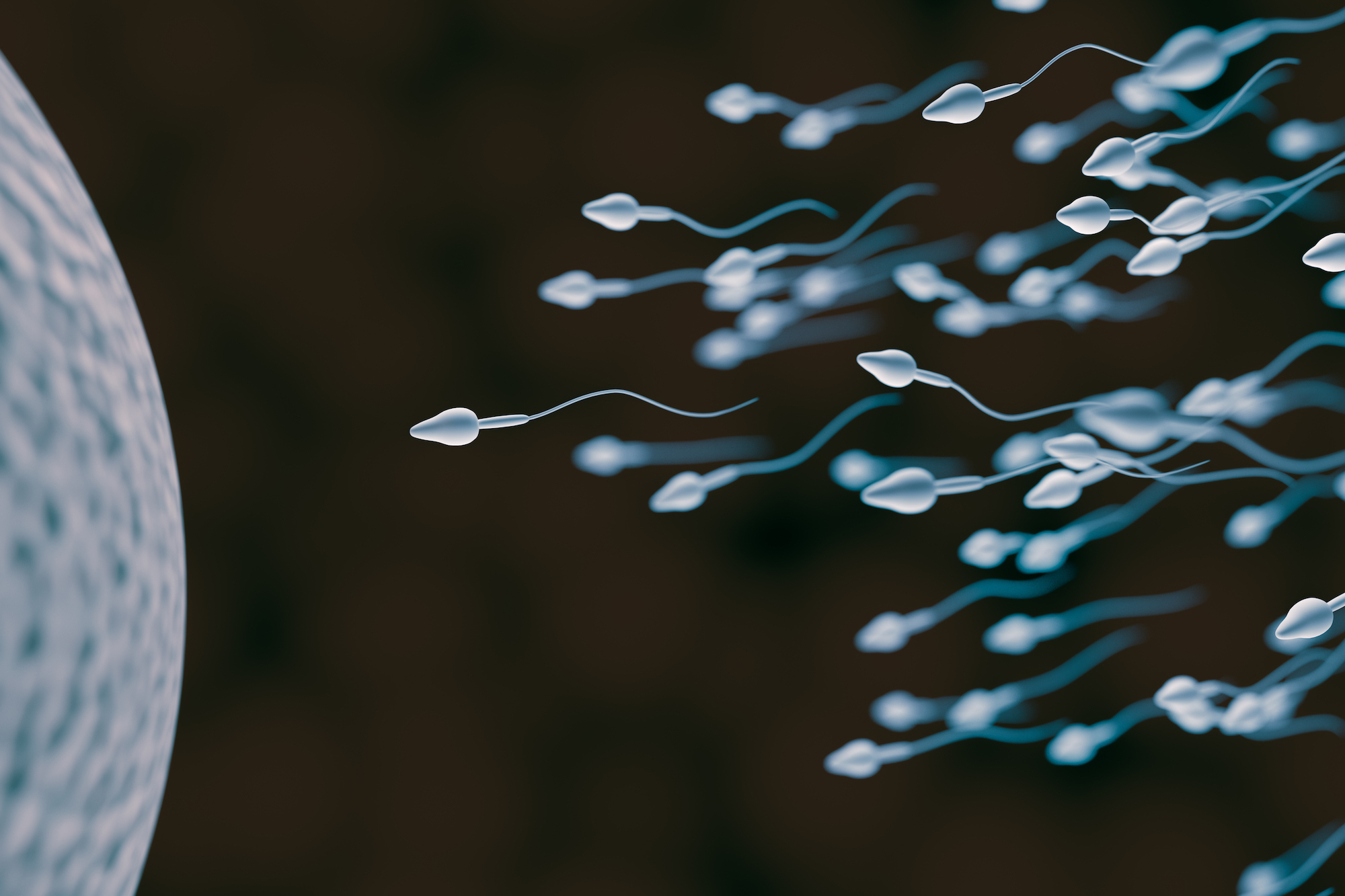
An illustration of sperm cells and an egg

Study: X-Rays Surrounding ‘Magnificent 7’ May Be Traces of Sought-After Particle
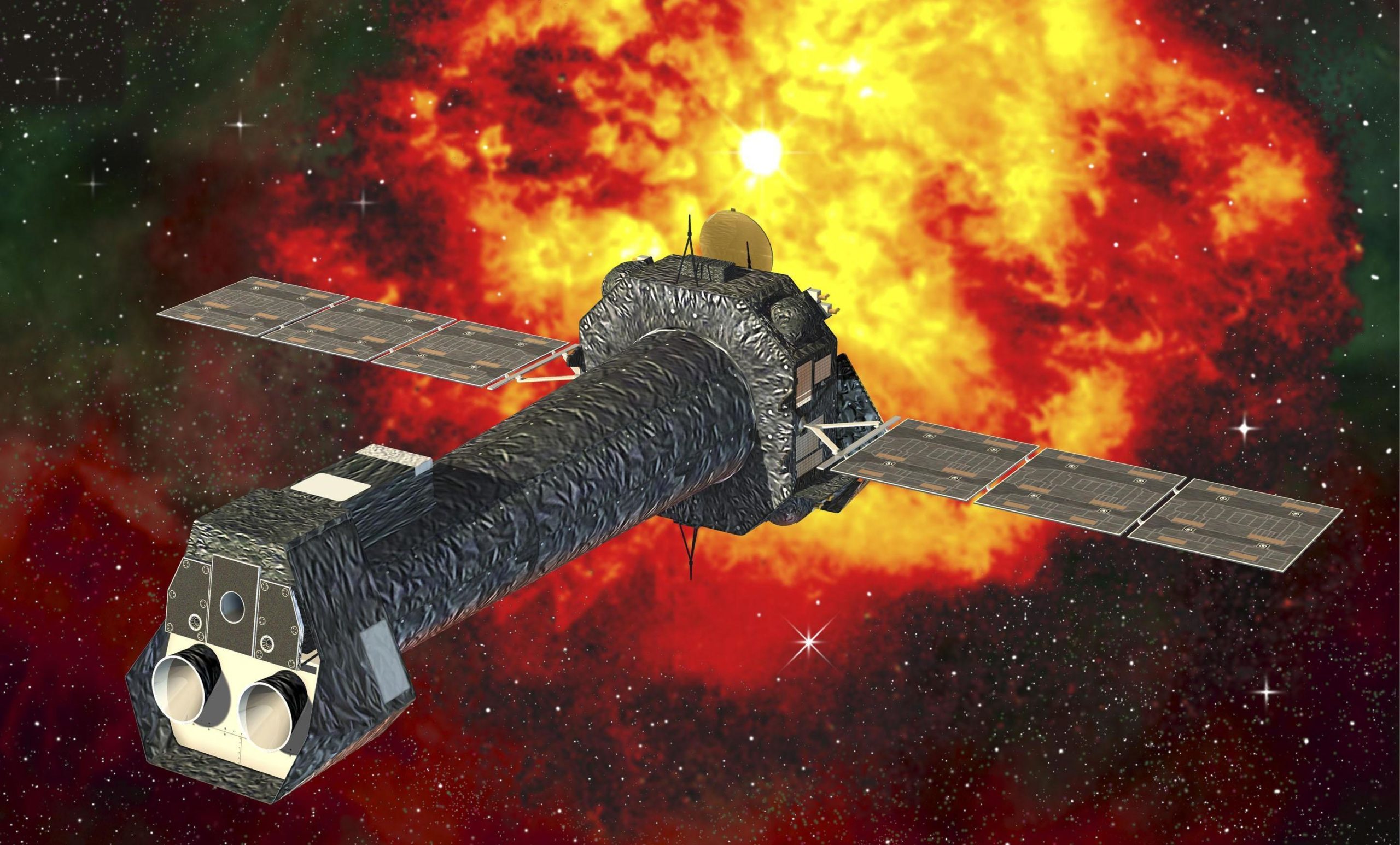
Image - An artistic rendering of the XMM-Newton (X-ray multi-mirror mission) space telescope. A study of archival data from the XMM-Newton and the Chandra X-ray space telescopes found evidence of high levels of X-ray emission from the nearby Magnificent Seven neutron stars, which may arise from the hypothetical particles known as axions. (Credits: D.Ducros; ESA/XMM-Newton, CC BY-SA 3.0 IGO)

Primer on Carbon Dioxide Removal Provides Vital Resource at Critical Time