All News

Emerging Hydrogen Storage Technology Could Increase Energy Resilience

Cityscape in the dark, with yellow lights shining in one building's windows.

Four Berkeley Lab Scientists Elected to the American Academy of Arts and Sciences

Four headshots aligned in a row. From left, Gerbrand Ceder, Alessandra Lanzara, Ramamoorthy Ramesh, and Pamela Ronald.

2 Berkeley Lab Physicists Elected into the National Academy of Sciences

Collage with Joel Moore, left, and Joseph W. Orenstein on the right.

How Venice, Italy Can Cut Carbon Emissions from Social Housing

A canal cuts through a neighborhood with colorful buildings on each side.

First ‘Telomere to Telomere’ Human Genome Reveals Secrets of the Centromere

A chromosome (blue) imaged during cell replication. The chromosome is duplicated, and protein strands called spindle fibers (red) are attached to the chromosome copies to pull them apart, so that each ‘daughter cell’ gets one copy.

Basics 2 Breakthroughs

Graphic collage of a person in PPE standing in front of a particle

Skyrmions on the Rise – New 2D Material Advances Low-Power Computing

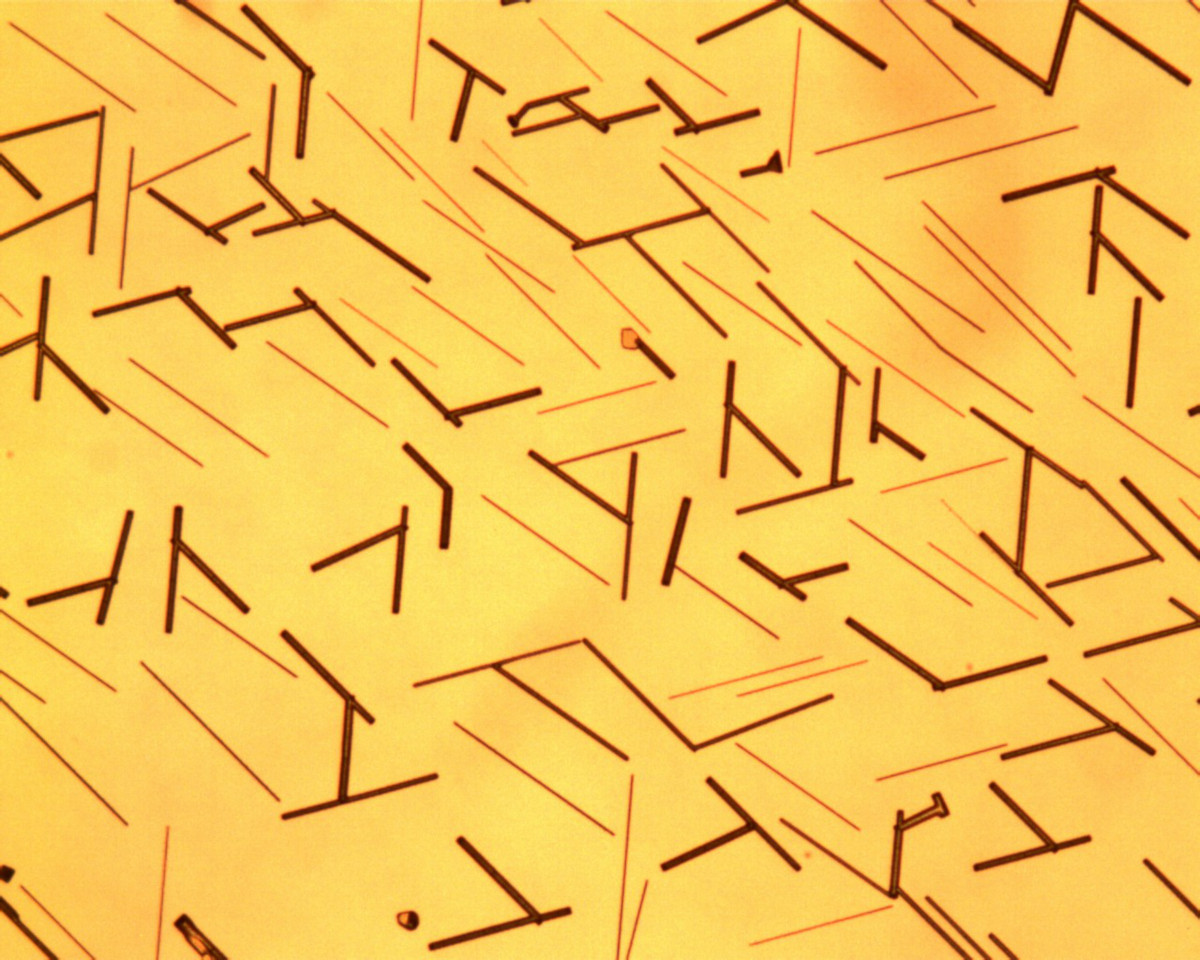
A map produced by magnetic microscopy techniques shows vortex-like spin patterns called skyrmions appearing in a thin, layered 2D material.

Microbial Response to a Changing and Fire-Prone Arctic Ecosystem

Smoke from burning tundra on Alaska's North Slope.

A Day in the Half-Life

Illustration depicting a hand placing a piece of a puzzle. The puzzle is a map of the Earth

Capturing Carbon With Inspiration From Battery Chemistry

Scientist wearing protective gear conducts an experiment in the lab.

Using Hundred-Year-Old Chemistry to Capture Carbon Directly From Air

Brown haired person wearing a purple collared shirt poses outside, with the San Francisco Bay Area visible behind.

Newly Discovered Bacterial Enzyme Produces Useful Biopolymer

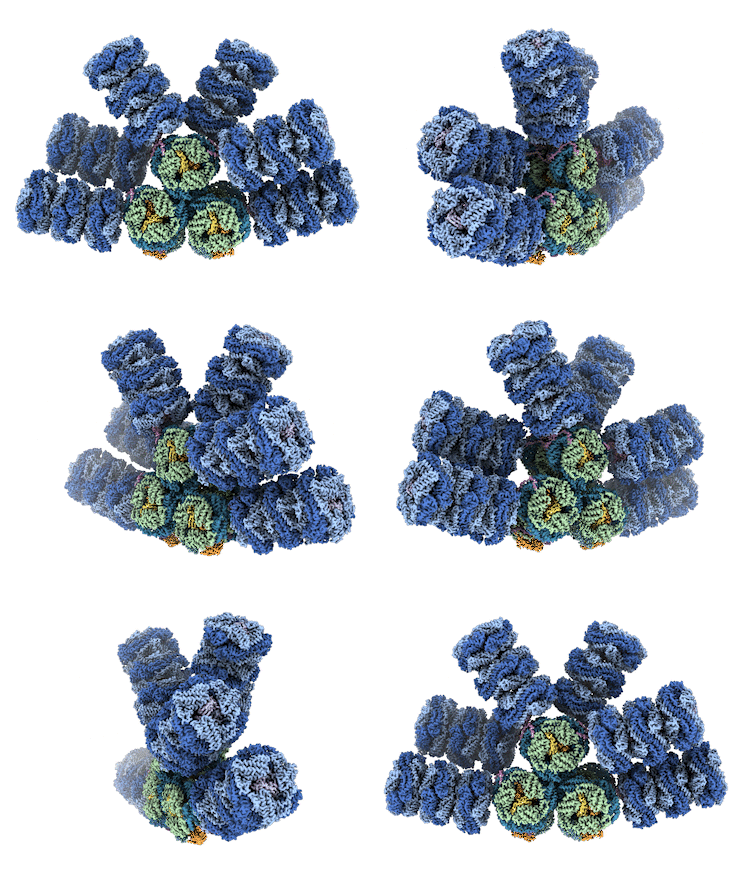
The 3D structure of the biosynthetic enzyme that produces acholetin, with key domains highlighted.